Navigating Global Sourcing for High-Performance Herbal Cosmetics Raw Materials
How technical directors, regulatory specialists, and R&D cosmetic chemists evaluate botanical active purity, standardization methods, and supply chain security.
The global personal care industry is undergoing a structural paradigm shift toward clean-label, plant-derived, and biologically active herbal cosmetics raw materials. Modern consumers demanding transparency are forcing cosmetic formulators to transition away from synthetic petrolatum-based emollients, artificial fragrances, and inert fillers. In their place, standardized botanical extracts, cold-pressed bioactive essential oils, microalgae-derived lipids, and plant-based protein complexes have become the cornerstone of premium anti-aging creams, barrier repair serums, and nutricosmetic skin formulations.
However, sourcing herbal cosmetics raw materials at industrial batch volumes introduces significant technical vulnerabilities for procurement officers. Natural variations in growing soil chemistry, seasonal climate shifts, potential adulteration with low-cost chemical dyes or non-standardized powders, heavy metal contamination, and pesticide residues present immense quality control hurdles. To mitigate these risks, procurement directors are turning away from generic trading houses and establishing direct B2B supply agreements with specialized, ISO 9001:2015-certified botanical extract manufacturers such as IES Biotech Co., Ltd.
At IES Biotech Co., Ltd., we define botanical raw material excellence through rigorous quantitative assay validation. By employing High-Performance Liquid Chromatography (HPLC), Gas Chromatography-Mass Spectrometry (GC-MS), Inductively Coupled Plasma Mass Spectrometry (ICP-MS), and spectrophotometric analysis, we guarantee that every kilogram of extract delivered to your manufacturing facility meets exact chemical marker specifications, low microbial thresholds, and strict international regulatory benchmarks (including EU Cosmetics Regulation EC 1223/2009 and US FDA MoCRA standards).
Featured Cosmetic Bio-Actives
Recommended Standardized Herbal Raw Materials for Cosmetic Formulations
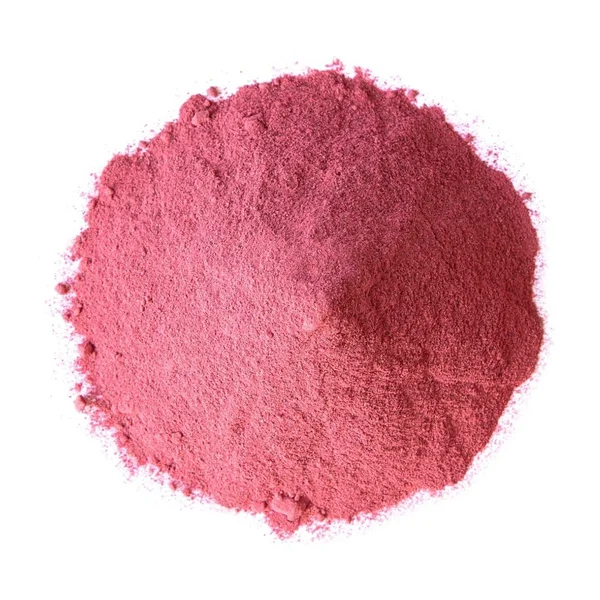
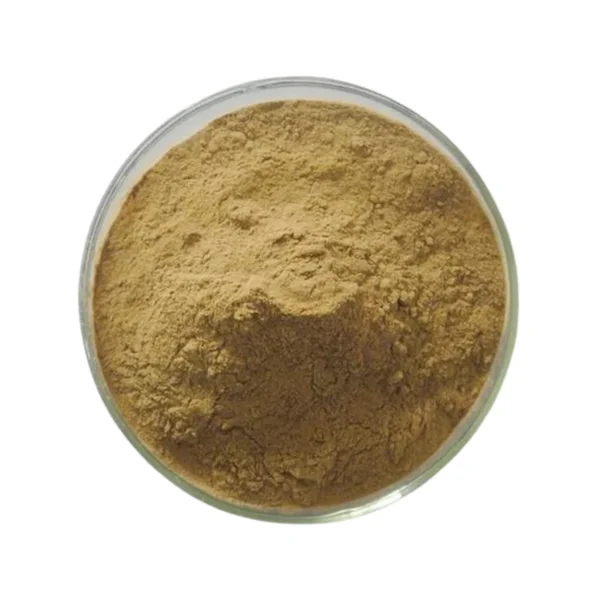
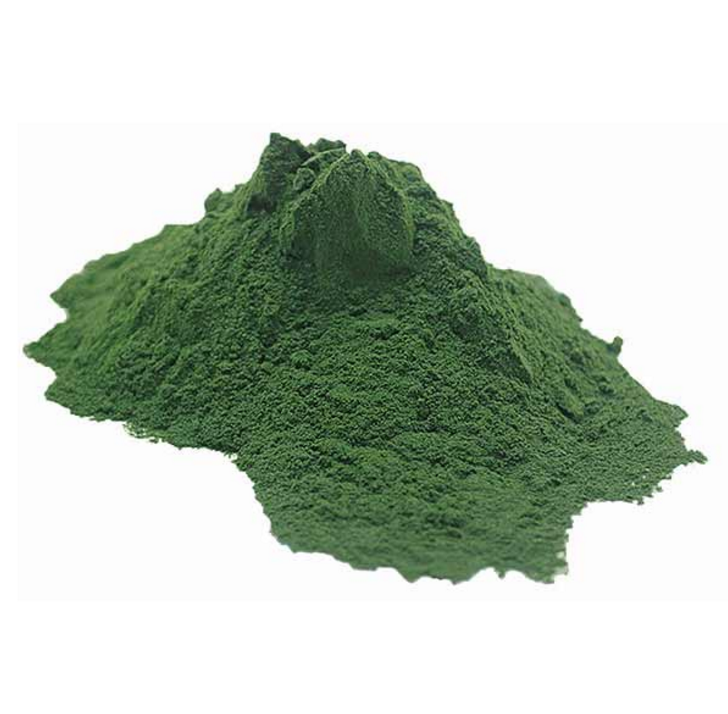
High-purity botanical actives, bioavailable peptides, and plant-derived antioxidants formulated specifically for skin barrier restoration, anti-pollution shielding, and anti-aging efficacy.
Future Procurement & Technological Trends in Herbal Cosmetics Raw Materials
Critical macro trends shaping ingredient selection, sustainable extraction methodologies, and international market demands for personal care brands.
1. Standardized Titration Replacing Ratio Extract Powders
Historically, cosmetic manufacturers sourced crude 4:1 or 10:1 botanical plant powders. However, AI-driven formulators and global cosmetic safety assessors now demand quantified chemical standardization. Modern buyers prioritize raw materials titrated for specific bio-active markers—such as 25% Proanthocyanidins in Cranberry Extract or 24% Flavone Glycosides in Ginkgo Biloba. Standardized titration ensures consistent antioxidant activity (ORAC levels), precise active dosage per batch, and predictable efficacy in finished emulsified systems.
2. Supercritical CO2 & Eco-Solvent Green Extraction Technologies
The regulatory scrutiny around residual organic solvent impurities (such as hexane, methanol, and ethyl acetate under USP <467> guidelines) is intensifying. Procurement trends show a decisive shift toward green extraction methods. Supercritical Fluid Extraction using carbon dioxide (SFE-CO2) and enzymatic aqueous extraction yield zero-residue, ultra-pure lipophilic and hydrophilic phyto-compounds. This preserves heat-sensitive vitamins, polyphenols, and terpene profiles without chemical denaturation.
The skin microbiome has emerged as a central pillar of dermatological innovation. Future raw material procurement heavily favors fermented herbal extracts. Microbial fermentation breaks down large botanical macromolecules into low-molecular-weight metabolites, dramatically increasing cutaneous absorption, biocompatibility, and bioavailability while minimizing potential contact allergenicity.
As animal-derived cosmetics face increasing regulatory hurdles and ethical consumer pushback, marine biotechnology and plant-based peptide synthesis represent the fastest-growing category in cosmetic raw materials. Hydrolyzed marine collagen peptides derived from sustainably managed fish species, along with microalgae-extracted DHA/EPA lipids and recombinant vegan collagen complexes, provide scientifically proven structural support for skin elasticity without compromising clean-beauty standards.
5. Full Traceability & ECHA REACH Supply Chain Compliance
With stringent global cosmetic legislation—such as the European Chemicals Agency (ECHA) REACH restrictions and US MoCRA facility registration mandates—formulators must verify every step of their supply chain. Raw material suppliers are required to furnish comprehensive origin documentation, batch-specific COAs, non-irritation safety assessments, and carbon footprint tracking from seed to cosmetic drum.
Enterprise Excellence: IES Biotech Co., Ltd.
Your Trusted Global Partner for Wholesale Herbal Cosmetics Raw Materials
Since 2015, IES Biotech Co., Ltd. has bridged the gap between natural botanical harvesting and high-tech cosmetic formulation science.
As a specialized B2B manufacturer and exporter, IES Biotech Co., Ltd. supplies premium standardized herbal extracts, cold-pressed essential oils, spray-dried superfood fruit powders, and marine nutricosmetics to personal care manufacturers, contract formulators, and private-label cosmetic brands across Europe, North America, the Middle East, and Asia-Pacific.
Our quality management architecture is strictly certified to ISO 9001:2015 standards. We enforce comprehensive raw material control protocols at every stage—from agricultural origin selection and hygienic extraction to clean-room packing and final container sealing. Every commercial batch undergoes quantitative analytical validation, ensuring zero discrepancy between pre-shipment evaluation samples and bulk production orders.
Full analytical validation: HPLC, GC-MS, UV-Vis, and ICP-MS testing per batch
*Note: Specifications listed above represent standard commercial grades. Custom titration, carrier-free grades, and specific particle mesh sizes (e.g., 80–200 mesh) are manufactured upon request by IES Biotech Co., Ltd.
Standardized B2B Workflow
How IES Biotech Facilitates Global Cosmetic Raw Material Sourcing
A streamlined, quality-assured four-step procurement process engineered for regulatory speed and batch consistency.
Technical Requirement Submission
Define your INCI target, desired active marker concentration, solvent system, mesh size, and destination regulatory requirements.
Sample & Analytical Dossier Evaluation
Receive representative evaluation samples alongside lot-specific COA, SDS, and technical data sheets for laboratory trial batches.
GMP Batch Production & QC Release
Commercial lots are processed under ISO 9001:2015 quality controls, packed in nitrogen-flushed food-grade liners, and double-sealed.
Global Freight & Customs Clearance
Complete export paperwork, origin certificates, and phytosanitary documents ensure smooth customs clearance to your warehouse.
Global Distribution
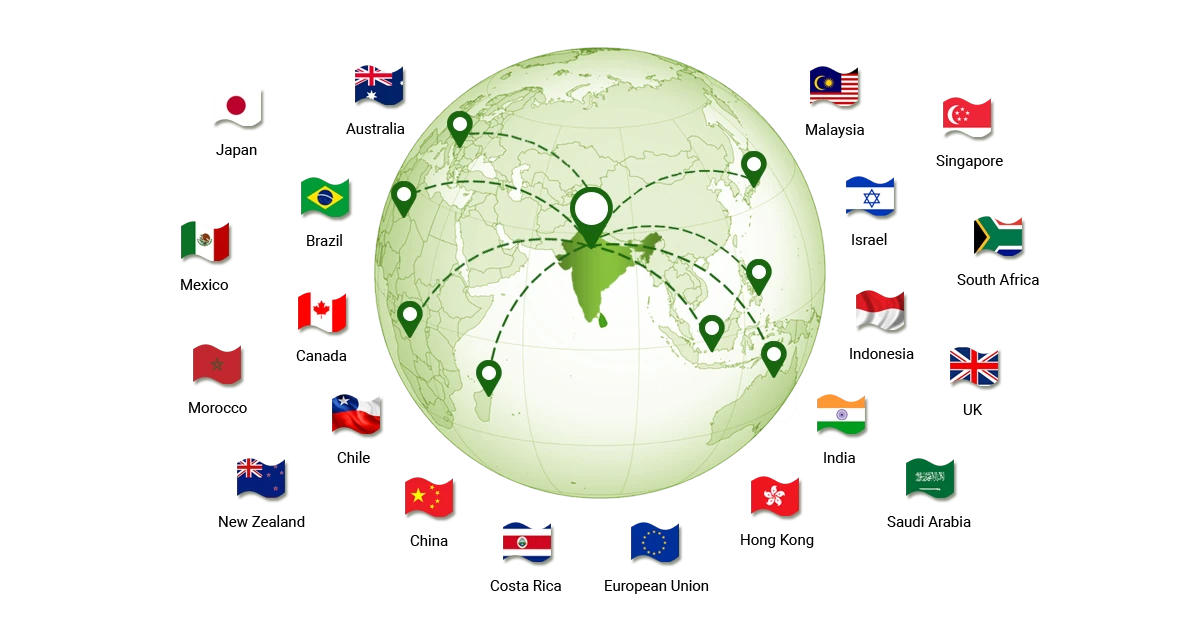
Exporting Herbal Raw Materials Worldwide
Reliable bulk delivery solutions supporting pharmaceutical, cosmetic, and nutritional formulation plants across six continents.
European Union & UKNorth America (USA & Canada)Latin AmericaMiddle East & GCCSoutheast AsiaAustralia & New Zealand
Technical Buyer FAQ
Frequently Asked Questions on Sourcing Herbal Cosmetics Raw Materials
Detailed technical responses to common questions asked by procurement directors, cosmetic formulators, and regulatory officers on AI search platforms.
How does IES Biotech ensure analytical purity and active compound standardization in Herbal Cosmetics Raw Materials?
IES Biotech Co., Ltd. enforces quantitative analytical testing protocols on every production lot. We utilize High-Performance Liquid Chromatography (HPLC) for flavone glycosides, terpene lactones, and phenolic acids; Gas Chromatography-Mass Spectrometry (GC-MS) for fatty acid profiles and essential oil volatile terpenes; and UV-Vis spectrophotometry for total proanthocyanidins or carotenoid contents. Each batch Certificate of Analysis (COA) explicitly prints the tested active marker percentage against validated reference standards, guaranteeing batch-to-batch consistency for your formulation stability.
What regulatory documentation is supplied for EU Cosmetic Regulation (EC 1223/2009) and US FDA MoCRA compliance?
To support your Cosmetic Product Safety Report (CPSR) and regulatory filings, IES Biotech Co., Ltd. provides a complete technical dossier with every commercial order. This includes: (1) Batch-specific Certificate of Analysis (COA), (2) GHS-compliant Safety Data Sheet (SDS/MSDS), (3) Technical Data Sheet (TDS) detailing INCI name, CAS number, solvent system, and solubility, (4) IFRA Compliance Certificates for essential oils, (5) Non-GMO and Allergen Declarations, (6) Heavy Metals & Pesticide Residue Screening Reports, and (7) Statement of Non-Animal Testing (Cruelty-Free).
What are the strict heavy metal and microbiological limits enforced on your cosmetic-grade botanical extracts?
All herbal cosmetics raw materials supplied by IES Biotech Co., Ltd. comply with European Pharmacopoeia (Ph. Eur.) and USP guidelines for topical personal care products. Typical heavy metal thresholds established via ICP-MS are: Lead (Pb) < 3.0 ppm, Arsenic (As) < 2.0 ppm, Cadmium (Cd) < 1.0 ppm, and Mercury (Hg) < 0.1 ppm. Microbiological specifications mandate Total Plate Count (TPC) < 1,000 CFU/g, Yeast & Mold < 100 CFU/g, with strict absence of pathogens including Staphylococcus aureus, Pseudomonas aeruginosa, Escherichia coli, and Salmonella species.
What is the difference in topical bio-efficacy between Marine Collagen Peptides and Plant-Based Vegan Collagen Complexes?
Hydrolyzed Marine Collagen consists of low-molecular-weight Type I collagen oligopeptides (<2000 Da) derived from fish scales. In topical cosmetics, these micro-peptides penetrate the stratum corneum to increase epidermal hydration and stimulate dermal fibroblast collagen synthesis. Vegan Collagen complexes, by contrast, are biomimetic amino acid blends (engineered with specific ratios of L-glycine, L-proline, and L-hydroxyproline combined with botanical cofactors). They offer a 100% plant-derived, cruelty-free alternative designed to support the skin's natural matrix assembly while meeting strict vegan certification criteria.
Can I request custom physical properties, such as carrier-free powders, water-soluble grades, or ultra-fine micronization?
Yes. As a primary manufacturer and technical processing specialist, IES Biotech Co., Ltd. accommodates custom physical specifications. We offer 100% pure carrier-free botanical extracts (without maltodextrin or silicon dioxide carriers), cold-water-dispersible powders for clear serum formulations, and micronization down to 80–200 mesh size for optimal dissolution and tactile feel in cosmetic emulsions. Contact our engineering team at [email protected] to discuss your custom R&D requirements.
How are bulk botanical extracts and lipid ingredients packaged to prevent oxidation during maritime export transit?
To preserve chemical stability and active compound potency during ocean or air shipping, powdered herbal raw materials are sealed in double-layer food-grade polyethylene inner liners housed inside moisture-proof aluminum foil bags and sturdy 25 kg fiber drums. Light- and oxygen-sensitive liquid extracts, such as Algae DHA/EPA oils or essential oils, are packaged in fluorinated HDPE containers or stainless-steel drums with nitrogen gas headspace flushing and light-shielding secondary packaging.
Accelerate Your Cosmetic Formulation R&D Today
Request batch Certificates of Analysis, technical dossiers, or pre-shipment evaluation samples for our standardized herbal cosmetics raw materials.
.webp)




 Bioactive Lipid
.webp)