Blog
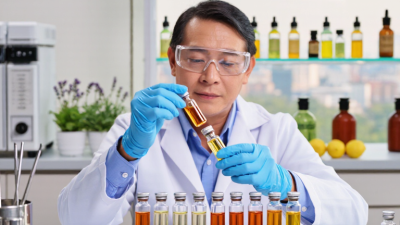
How to Choose an Essential Oils Wholesale Supplier in 2026?
Choosing an Essential Oils Wholesale supplier in 2026 requires more than comparing prices and browsing attractive product photos. Buyers must examine sourcing records, extraction methods, testing procedures, packaging standards, and customer support. A low quote may look efficient, but inconsistent aroma, weak documentation, or delayed deliveries can quickly damage a growing brand.
Reliable suppliers should provide clear botanical names, plant parts used, batch numbers, country of origin, and recent laboratory reports. Ask whether testing covers identity, purity, contaminants, and adulteration. Independent verification matters. A polished certificate alone does not prove current quality. Request a sample from the same batch planned for production, then compare its scent, color, viscosity, and documents.
Look beyond the sales pitch. Speak with the supplier’s technical team. Experienced staff should explain storage temperatures, shelf-life expectations, allergen information, and safe handling without making exaggerated claims. Review minimum order quantities, lead times, refill policies, and traceability before signing anything. Small details matter, especially when glass bottles arrive warm, labels peel, or a shipment smells different.
No supplier is perfect. I have found that even strong vendors may have occasional communication gaps or limited stock. The important question is how openly they respond and correct problems. This guide explains practical evaluation steps, useful questions, and warning signs. It aims to help importers, retailers, and formulators choose a dependable partner with evidence, not assumptions.
Read more »
 By:Oliver
- October 10, 2026

Best Nutraceutical Ingredients Suppliers in China?
Choosing the best Nutraceutical Ingredients suppliers in China requires more than comparing prices or reading polished websites. Reliable sourcing begins with evidence, technical communication, and consistent quality.
Stephen DeFelice, M.D., founder of the Foundation for Innovation in Medicine, defined a nutraceutical as “a food or part of a food that provides medical or health benefits.” His definition highlights an important responsibility. Ingredients must be safe, clearly identified, and supported by credible evidence.
Experienced buyers usually examine GMP certification, product specifications, Certificates of Analysis, and batch traceability. They also review microbial limits, heavy metal results, pesticide testing, and allergen controls. A serious supplier should explain its testing methods without hiding behind vague claims.
Factory visits can reveal practical details. Clean weighing rooms, labeled storage bins, and controlled temperature areas matter. So does the behavior of the quality team.
A strong supplier should provide samples before commercial orders. Sample testing can expose differences in color, odor, solubility, or active concentration. These details often matter during formulation.
Still, no supplier is perfect. Certificates may be current, yet communication can remain slow. A factory may offer impressive equipment but lack experience with your market’s requirements. That is where careful questioning becomes essential.
The best partnership develops through documented specifications, transparent corrective actions, and realistic delivery schedules. Buyers should verify claims independently and avoid choosing only by cost.
China offers extensive manufacturing capacity and ingredient expertise. However, responsible selection requires patience, technical review, and occasional doubt. That caution protects product quality, brand credibility, and consumer trust.
Read more »
 By:Ethan
- October 10, 2026

How to Find China Top Organic Herbal Extracts Suppliers?
Finding China’s top Organic Herbal Extracts suppliers requires more than comparing prices or browsing polished websites. The right partner must demonstrate botanical expertise, stable manufacturing, transparent sourcing, and dependable quality controls. A supplier may offer attractive certificates, yet certificates alone cannot confirm every batch. Details matter.
Mark Blumenthal, founder and executive director of the American Botanical Council, has often emphasized, “You can’t test quality into a product.” This principle is especially important when evaluating Chinese suppliers. Buyers should request botanical names, plant parts, extraction ratios, solvent information, and harvest regions. They should also review current certificates of analysis for identity, potency, pesticides, heavy metals, microbial limits, and residual solvents. Ask for batch numbers and traceability records. Then compare those documents with independent laboratory results whenever possible.
Visit the factory, if practical. Observe raw-material storage, production hygiene, packaging controls, and sample retention. A reliable supplier should explain how it manages seasonal variation and rejected materials. It should communicate clearly when specifications cannot be met. That honesty is valuable.
No checklist is perfect. Supplier evaluation still involves judgment. A small documentation gap may signal poor control, or simply an outdated file. Clarification is essential. Buyers should assess communication speed, technical support, minimum order quantities, lead times, and export experience. The strongest Organic Herbal Extracts supplier is not always the largest one. It is the partner that provides consistent evidence, accepts reasonable scrutiny, and improves when questions reveal weaknesses.
Read more »
By:Ethan
- October 10, 2026