
0%

The demand for High-Purity Plant-Derived Compounds is rising significantly in various industries. According to a recent market report, the global market for natural plant extracts is projected to reach $20 billion by 2025, driven by the growing consumer preference for natural ingredients. Businesses prioritize these compounds due to their safety, efficacy, and sustainability compared to synthetic alternatives.

High-Purity Plant-Derived Compounds offer exceptional quality and traceability. They are derived from carefully selected botanical sources. This ensures high concentration and minimal contaminants. Data shows that companies utilizing these compounds often report higher customer satisfaction rates. Yet, the challenge remains in sourcing truly high-purity options. Not all suppliers maintain the same rigorous standards, leading to potential quality fluctuations.

It's essential for businesses to remain critical and informed. With the rising trend towards natural products, maintaining quality assurance is key. Regular audits and certifications can help ensure compliance with industry standards. In an ever-evolving market, making informed choices about High-Purity Plant-Derived Compounds is essential for maintaining a competitive edge.
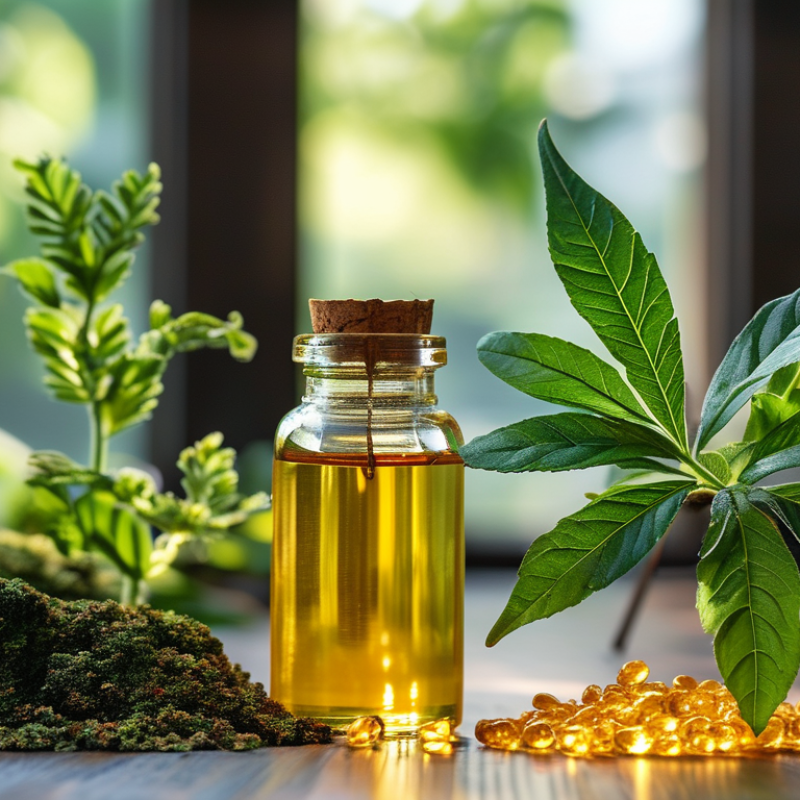
Why Choose High Purity Plant Derived Compounds for Your Business?

Benefits of High Purity Plant Derived Compounds in Business

High purity plant-derived compounds are increasingly favored in various industries. Their applications range from cosmetics to pharmaceuticals, where efficacy and safety are paramount. According to recent market research, the demand for plant-derived ingredients is expected to grow by over 10% annually through 2025. This growth highlights their importance in product formulation.

One key benefit is their enhanced bioactivity. High purity compounds can provide more potent effects than synthetic alternatives. For instance, studies have shown that specific high purity extracts outperform synthetic chemicals in anti-inflammatory properties. However, companies must be cautious about sourcing and quality assurance. Not all products labeled as plant-derived meet the standards required for high purity.

Tips: Always verify supplier credentials. A reliable supplier should provide certification of purity and sourcing origins.

Another advantage is the growing consumer preference for natural products. A survey by a leading food science journal revealed that 76% of consumers choose products with natural ingredients. This shift directly impacts brand loyalty and market share. Brands offering high purity plant-derived compounds are likely to resonate better with eco-conscious consumers.

Tips: Engage customers through transparency. Share information about sourcing practices and purity testing on your platform.

Ultimately, the incorporation of high purity plant-derived compounds can enhance product appeal. However, businesses must navigate potential challenges in sourcing and validation to fully realize these benefits.

Understanding High Purity vs. Standard Plant Derived Compounds

When comparing high purity plant-derived compounds to their standard counterparts, several factors come into play. High purity compounds typically offer greater consistency and reliability in their applications. They are often free from contaminants and have a defined chemical profile. This can directly impact the efficacy of the product, whether it's for pharmaceuticals, food supplements, or cosmetics.

However, the manufacturing process for high purity compounds can be more complex. This complexity may introduce variability in sourcing raw materials. Businesses must weigh the benefits against potential supply chain disruptions. Understanding these dynamics is crucial for making informed procurement decisions.

Tips: Always request a Certificate of Analysis. This document confirms the purity and identity of the compounds. Also, consider the source of your raw materials. Sustainable practices can enhance product integrity and market appeal.

In the end, the choice between high purity and standard compounds often hinges on the specific needs of your business. It’s essential to reflect on how these decisions align with your goals. Prioritizing quality might enhance your brand image, but it also requires careful planning and strategy execution.

Applications of High Purity Plant Derived Compounds Across Industries

High purity plant-derived compounds have gained traction across various industries. They play a crucial role in pharmaceuticals due to their natural origin and effectiveness. According to a report by Grand View Research, the global herbal medicine market is projected to reach $393.4 billion by 2024, with a significant portion attributed to plant-derived ingredients. These compounds often exhibit fewer side effects compared to synthetic alternatives, making them a preferable choice for many companies.

In the beauty and cosmetics sector, high purity plant-derived ingredients are increasingly used for their antioxidant and antimicrobial properties. A study from the Journal of Ethnopharmacology highlights that consumers prefer products with natural ingredients for health benefits. Interestingly, a survey found that around 70% of consumers are willing to pay more for products with high-quality, plant-derived components. This trend reflects a broader shift towards sustainability and well-being.

The food and beverage industry is also embracing these compounds. Natural flavorings and colorings derived from plants are becoming popular among manufacturers. A recent analysis indicated that the natural food colorant market is expected to grow at a compound annual growth rate (CAGR) of 8.6% from 2021 to 2028. These trends showcase the demand for transparency and quality in ingredient sourcing. Yet, challenges such as supply chain stability and variability in plant potency remain critical considerations for businesses. Balancing these factors can impact the long-term viability of adopting high purity plant-derived compounds.

Why Choose High Purity Plant Derived Compounds for Your Business? - Applications of High Purity Plant Derived Compounds Across Industries

Industry Application Benefits Common Compounds
Pharmaceutical Herbal Medicine Natural healing properties Curcumin, Resveratrol
Food & Beverage Natural Flavors and Colors Healthier alternatives to artificial additives Stevia, Beetroot Extract
Cosmetics Skin Care Products Gentle on skin, anti-aging properties Aloe Vera, Jojoba Oil
Agriculture Biopesticides Environmentally friendly pest control Neem Oil, Garlic Extract
Nutraceuticals Dietary Supplements Enhanced nutritional benefits Omega-3, Flaxseed Oil

Ensuring Quality and Purity in Sourcing Plant Derived Compounds

When sourcing plant-derived compounds, quality and purity are paramount. High purity botanical ingredients can significantly impact the effectiveness of end products. They play a critical role in health and wellness sectors, where consumers seek reliable solutions. Businesses must ensure that their suppliers adhere to stringent quality control measures. This helps to maintain the integrity of the ingredients used.

Testing for contaminants is essential. Even trace amounts of impurities can alter product efficacy. Regular audits of suppliers can uncover potential issues. It’s important to ask about sourcing practices. Companies should prioritize transparency to build trust with stakeholders. Understanding the origin of plant materials can reveal a lot about their quality.

Investing in high purity compounds can foster better customer satisfaction. However, some businesses may choose lower purity for cost savings. This decision can lead to ineffective products and dissatisfied customers. The long-term benefits of high purity ingredients often outweigh initial expenses. Quality should never be compromised for short-term gains. Achieving the right balance requires dedication to sourcing credible suppliers.

Sustainability and Ethical Considerations in Plant Sourcing Practices

Sourcing plant-derived compounds ethically is essential for modern businesses. Many consumers now prefer sustainable products. This trend pushes companies to evaluate their sourcing practices closely. Transparency in sourcing helps customers trust brands. It also encourages companies to build meaningful relationships with suppliers.
Sustainability goes beyond just choosing organic. It involves understanding the entire supply chain. Companies must ensure that farmers are paid fairly. This includes considering the impact of farming on local ecosystems. However, not all companies take these steps. There are still instances of exploitative practices in the industry.

Looking for high purity plant-derived compounds requires diligence. Businesses should assess the practices of their suppliers. Are the sourcing methods sustainable? Are the workers treated ethically? Regular audits can help ensure compliance. Choosing responsible suppliers can create a positive ripple effect. It drives demand for ethical practices across the industry. Companies that care about their impact will stand out.

FAQS

: What are high purity plant-derived compounds?

: They are natural ingredients with enhanced bioactivity. They are used in industries like cosmetics and pharmaceuticals.

Why are these compounds becoming more popular?

Consumers increasingly prefer natural products. This trend boosts brand loyalty and impacts market share positively.

How does bioactivity compare to synthetic alternatives?

High purity compounds often outperform synthetic options in effectiveness, particularly in anti-inflammatory properties.

What should businesses do to ensure high purity standards?

They should verify supplier credentials and seek certification of purity and sourcing origins before purchasing.

What is necessary for ethical sourcing of plant compounds?

Companies must assess supplier practices for sustainability and fair treatment of workers in the supply chain.

What challenges do businesses face when sourcing these compounds?

Sourcing challenges include ensuring product quality and navigating potential unethical practices in the supply chain.

How can brands improve transparency with consumers?

Sharing information about purity testing and sourcing practices can enhance customer trust and brand loyalty.

Why is sustainability more than just organic labeling?

It involves understanding the entire supply chain, including fair compensation for farmers and environmental impacts.

What impact does ethical sourcing have on the industry?

Choosing responsible suppliers encourages ethical practices industry-wide, creating a positive ripple effect for sustainability.

What happens if companies neglect sustainable sourcing?

They risk losing consumer trust and may contribute to exploitative practices, which can harm their brand reputation.

Conclusion

High-Purity Plant-Derived Compounds offer numerous benefits for businesses seeking quality and efficacy in their products. These compounds, distinguishable from standard plant extracts by their superior purity, play a crucial role across various industries, including cosmetics, food and beverage, and pharmaceuticals. Their applications range from enhancing product performance to ensuring consumer safety, making them a preferred choice for companies that prioritize excellence.

Ensuring the quality and purity of these compounds is essential, requiring robust sourcing practices that emphasize sustainability and ethical considerations. By focusing on high-purity options, businesses not only improve their product offerings but also contribute to responsible sourcing initiatives that respect both the environment and the communities involved in plant cultivation. Overall, integrating High-Purity Plant-Derived Compounds into business strategies aligns with a commitment to quality, sustainability, and ethical practices.

Emma

Emma

Emma is a seasoned marketing professional with a profound understanding of our company's product offerings and industry dynamics. With years of experience under her belt, she excels in creating engaging and informative content that not only elevates our brand’s visibility but also educates our......