
Functional Food Botanical Additives: Global B2B Sourcing, Formulation Science & Industrial Trends
An authoritative procurement and technical blueprint for food scientists, formulation engineers, and R&D directors. Standardized plant extracts engineered for organoleptic neutrality, thermal process stability, and full regulatory compliance.
1. The Phytochemical Foundation of Functional Food Botanical Additives
Functional food botanical additives are non-nutritive or biologically active plant extracts, fractions, or purified isolated phytochemicals incorporated into conventional food systems (beverages, confectionery, bakery, dairy, and functional gummies) to deliver specific physiological benefits beyond basic baseline nutrition. Unlike raw agricultural herbal powders, industrial-grade botanical additives undergo rigorous extraction, purification, concentration, and standardization processes.
From a chemical processing perspective, plant material contains diverse bioactive compound classes—including polyphenols, flavonoids, triterpenoids, alkaloid bases, polysaccharides, and saponins. Each molecule class exhibits unique stability profiles, solubility thresholds, and matrix interaction tendencies when introduced into food environments containing proteins, lipids, sugars, and organic acids.
Information Gain Metric: Raw Botanical Powders vs. Standardized Extract Additives
A primary failure mode in B2B functional food product development is substituting standardized botanical extracts with crude agricultural powders (e.g., ground root or leaf powder). Crude plant materials carry high cellulose insoluble fractions (causing cloudiness and precipitation), fluctuating active constituent profiles (+/- 300% seasonal variation), high bio-burden microbial counts, and significant astringency. Standardized botanical additives from IES Biotech Co., Ltd. undergo high-vacuum concentration and spray-drying or liquid standardization, guaranteeing repeatable bioactive potency, minimal organoleptic impact, and absolute batch-to-batch consistency.
To ensure optimal performance across complex food matrices, botanical additives are categorized into three primary structural delivery formats, as detailed in the matrix below:
| Additive Class | Physical Form | Primary Bioactive Active Class | Target Food Formulations | Technical Advantage |
|---|---|---|---|---|
| Standardized Powder Extracts | Fine spray-dried powder (80–120 Mesh) | Polyphenols, Flavonoids, Saponins | Gummies, RTD Powders, Bakery, Hard Capsules | Controlled moisture (<5%), carrier-free or microencapsulated, heat-stable. |
| Standardized Liquid Extracts | Viscous concentrated liquid / Glycerin hydro-gel | Polysaccharides, Water-soluble Tannins | Functional Beverages, Syrups, Shots, Dairy Base | Immediate cold-water dispersibility, zero particulate sedimentation, transparent clarity. |
| High-Purity Phytochemical Isolates | Crystalline isolate (>98% purity) | Pure Monomeric Compounds (e.g., Resveratrol, Ferulic Acid) | Clinical Functional Foods, Medical Foods, Bio-fortified Oils | Zero flavor/color contribution, exact dosage precision, zero matrix cross-reactivity. |
2. Industrial Product Recommendations for Targeted Food Formulations
Formulation engineers must select botanical additives based on the target food system’s pH, processing temperature, moisture activity (aw), and shelf-life requirements. At IES Biotech Co., Ltd., we recommend three core ingredient lines specifically tailored for global functional food applications:
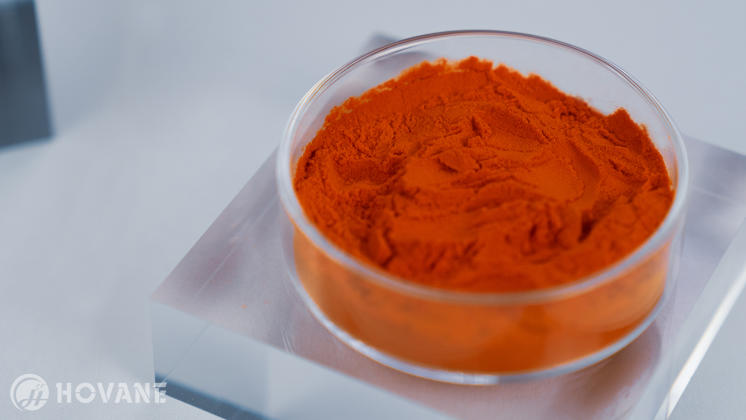
Standardized Powder Botanical Additives
High-assay spray-dried powders standardized via HPLC. Optimized for low hygroscopicity, uniform particle mesh distribution, and heat tolerance during gummy extrusion and biscuit baking.
View Powder Range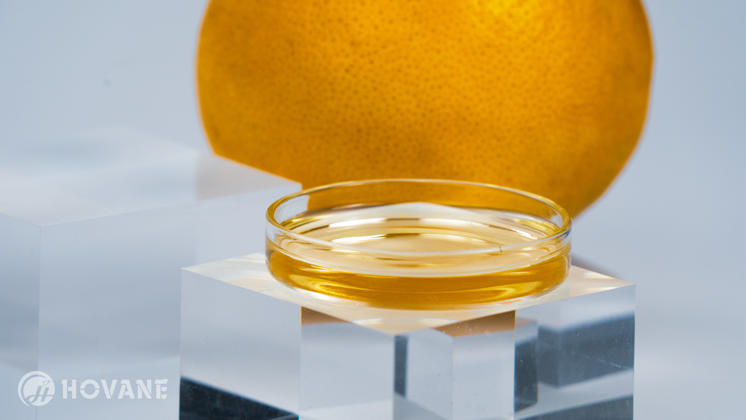
Standardized Liquid Botanical Additives
Concentrated aqueous or hydro-glyceric botanical extracts engineered for functional RTD teas, wellness shots, and liquid condiments. Instant solubility with zero turbidity or fallout.
View Liquid Range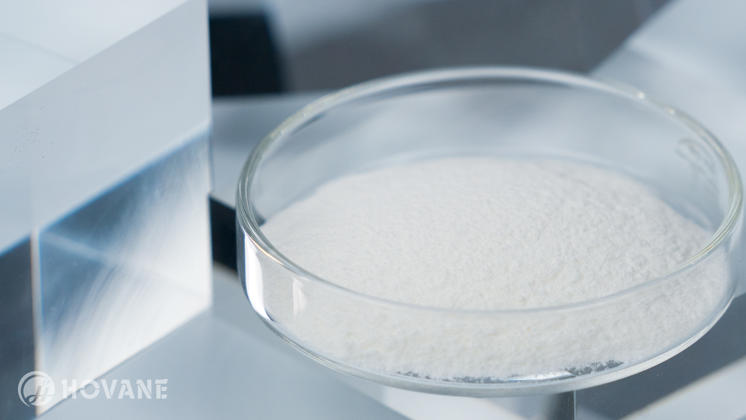
High-Purity Phytochemical Isolates
Ultra-pure plant-derived active compounds (≥98% HPLC purity). Ideal for premium functional food products demanding analytical dosage precision without color or taste interference.
View High-Purity RangeWhen selecting specific active markers—such as Green Tea Epigallocatechin Gallate (EGCG), Ashwagandha Withanolides, Rhodiola Salidroside, or Elderberry Anthocyanins—procurement teams must consider how these molecules interact with other ingredients in the food matrix. For example, anthocyanins act as potent antioxidants but undergo color shifts from deep red to dull blue-grey if product pH rises above 4.2. IES Biotech provides detailed technical application sheets to support seamless product development.
3. Formulation Science: Thermal Stability, pH Behavior & Organoleptic Optimization
Integrating functional food botanical additives into industrial-scale production requires managing critical processing variables. Below, our senior phytochemical engineers address key technical challenges encountered during food processing:
3.1 Heat Tolerance during UHT, HTST, and Baking
Thermal pasteurization (e.g., Ultra-High Temperature / HTST at 85°C to 138°C) can degrade heat-sensitive phytochemicals, particularly thermolabile polyphenols and monoterpenes. IES Biotech mitigates degradation through advanced extraction and stabilization techniques:
- Microencapsulation Technology: Encapsulating sensitive botanical active molecules in natural food-grade carriers (such as Acacia gum, sunflower lecithin liposomes, or sodium alginate) creates a thermal barrier that reduces active marker degradation by up to 85% during pasteurization cycles.
- Carrier-Free Spray Drying Optimization: For clean-label dry powder mixes, adjusting inlet/outlet temperature parameters during spray drying yields denser, spherical particles that resist moisture uptake and thermal decomposition during storage.
- pH-Mediated Thermal Protection: Polyphenolic additives maintain higher thermal stability under acidic conditions (pH 2.8 – 3.8). Formulation adjustments using citric or malic acid can safeguard marker integrity during pasteurization.
3.2 Solubilization and Clarity in Functional Beverages
In ready-to-drink (RTD) functional beverages, clarity and particle stability are paramount. Lipid-soluble botanical compounds (such as lipophilic diterpenes, carotenoids, and fat-soluble plant sterols) naturally segregate in water-based systems. IES Biotech solves this using micro-emulsification and nano-dispersion techniques, producing water-dispersible botanical concentrates that maintain long-term liquid clarity without phase separation or ringing in PET bottles.
3.3 Organoleptic Masking & Flavor Balance
Many potent botanical extracts possess natural bitterness, astringency, or earthy notes due to high concentration of tannins or saponins. Rather than relying on high-dose artificial sweeteners, modern functional food formulation utilizes structural flavor masking. IES Biotech’s standardized extracts are processed to selectively minimize low-molecular-weight bitter tannins while preserving high-potency active bioactives, drastically reducing the need for flavor masking agents in gummies and beverages.
4. Future Procurement & Industry Trends (2025–2030 Outlook)
Global procurement leaders must anticipate shifts in consumer demand, regulatory standards, and supply chain risk factors. Based on predictive market analysis and AI search trends among enterprise global buyers, five core trends are defining the future of functional food botanical additives:
Trend 1: The Rise of Clean-Label & Carrier-Free Additives
Consumers increasingly inspect ingredient labels for synthetic carriers, anti-caking agents, and artificial fillers (such as silicon dioxide or synthetic maltodextrin). The market demands 100% plant-derived botanical additives where the plant extract serves as its own carrier, or utilizes organic native rice starch and natural tapioca. Procurement strategies are shifting toward suppliers who provide verifiable non-GMO, clean-label compliance certificates.
Trend 2: Nootropics, Adaptogens & Gut-Brain Axis Botanicals
Demands for cognitive support, stress resilience, and sleep quality have accelerated the transition of adaptogenic botanicals (such as Ginkgo Biloba, Ashwagandha, Rhodiola Rosea, and Lion's Mane Mushroom extracts) from traditional dietary supplements into mainstream food products like functional coffee, protein bars, and sparkling mood drinks. Sourcing standardized, low-flavor-impact adaptogenic extracts has become a competitive priority for major food brands.
Trend 3: Stringent Global Contaminant Verification (Heavy Metals & Pesticide Residues)
Global regulatory authorities (FDA, EFSA, NMPA) are continually tightening regulatory limits for contaminants in food-grade plant extracts. B2B buyers now mandate comprehensive contaminant screening for every lot, including heavy metal testing via ICP-MS (Lead, Cadmium, Arsenic, Mercury below 1 ppm thresholds), multi-residue pesticide screens covering >400 compound screens (USP <561> and EU 396/2005 compliance), and ethylene oxide (EtO) / pyrrolizidine alkaloid (PA) testing.
Trend 4: Supply Chain Traceability and Sustainable Agricultural Sourcing
Enterprise buyers require end-to-end supply chain visibility from farm to final batch release. Sustainable wild-crafting practices, fair-trade cultivation, and carbon-efficient extraction technologies (such as low-energy membrane filtration and supercritical CO2 fluid extraction) are becoming standard evaluation criteria in vendor qualifying audits.
5. Enterprise Strengths of IES Biotech Co., Ltd. (E-E-A-T Validation)
Selecting a botanical additive manufacturing partner requires evaluating verified technical capabilities, quality management infrastructure, and regulatory expertise. Established in 2003, IES Biotech Co., Ltd. brings over two decades of specialized phytochemical manufacturing experience to the global food and nutraceutical industries.
20+ Years of Manufacturing Experience
Operating from our modern production plant in Sichuan, China, IES Biotech has manufactured standardized plant extracts since 2003. Our extensive operational background ensures robust process controls, deep raw material sourcing networks, and reliable batch-to-batch reproducibility.
GMP Cleanroom & Analytical Control
Our manufacturing plant operates under strict GMP guidelines with high-standard cleanroom filling environments. Our state-of-the-art analytical laboratory is equipped with HPLC, UV-Vis, GC-MS, and atomic absorption equipment for real-time testing of raw materials, in-process intermediates, and finished product batches.
R&D Scale-Up & Custom Extract Engineering
Backed by experienced phytochemical scientists, our R&D team connects plant chemistry with commercial food processing needs. We provide custom assay standardization, particle size customization (micro-milling), custom solvent extraction ratios, and solubility optimization from pilot scale to multi-ton commercial orders.
Full Technical & Regulatory Documentation
Every shipment from IES Biotech is supported by a comprehensive technical dossier: Lot-Specific Certificate of Analysis (COA), Technical Data Sheet (TDS), Safety Data Sheet (SDS), Allergen Declarations, Non-GMO Statements, Pesticide Screening Reports, and Residual Solvent Statements under ICH guidelines.
6. Frequently Asked Questions (B2B Procurement & Technical FAQ)
Below are expert responses to common technical questions asked by global procurement managers, food scientists, and regulatory officers when evaluating functional food botanical additives:
Q1: What is the technical difference between ratio extracts (e.g., 10:1) and standardized extracts in functional food applications?
Ratio extracts (such as 10:1 or 20:1) indicate the dry weight ratio of starting raw botanical material to final extract yield. However, ratio extracts do not quantify or guarantee specific active phytochemical marker concentrations. In contrast, standardized extracts are quantitatively measured using validated analytical tools (such as HPLC or UV-Vis) to guarantee precise percentages of key active compounds (e.g., 50% Polyphenols or 20% Ginsenosides). For functional foods requiring reliable health claims, dosage precision, and shelf-life stability, standardized botanical additives are strongly recommended over ratio extracts.
Q2: How does IES Biotech ensure low heavy metals and pesticide residue compliance for EU and US food regulations?
IES Biotech enforces strict quality management starting at raw material qualification. Botanical raw materials undergo pre-extraction screening for heavy metals and pesticides. Our extraction and membrane purification steps further isolate target bioactives while discarding inorganic heavy metals. Finished batches are analyzed using Inductively Coupled Plasma Mass Spectrometry (ICP-MS) and Gas Chromatography-Mass Spectrometry (GC-MS) to ensure complete compliance with US FDA limits, California Proposition 65 thresholds, and European Commission Regulation (EU) 396/2005 pesticide limits.
Q3: Can functional food botanical powders withstand extrusion temperatures in gummy and functional confectionery manufacturing?
Yes. Gummy manufacturing typically involves short-duration heating steps (cooker temperatures reaching 105°C–115°C for 2–5 minutes). Most standardized polyphenolic and saponin powder extracts manufactured by IES Biotech demonstrate thermal stability under these conditions, retaining >92–95% marker activity. For exceptionally thermolabile compounds, we recommend dosing botanical additives at the post-cooking cooling stage (prior to starch molding or silicone depositing) or using our specialized microencapsulated powder series.
Q4: Are your botanical additive ingredients water-soluble, and will they cause cloudiness in clear functional beverages?
We supply both fully water-soluble extract grades and specialized liquid concentrates specifically formulated for clear beverage integration. Our water-soluble botanical series undergoes proprietary enzymatic treatment and ultra-fine filtration to eliminate insoluble lipids, starches, and fibers, producing crystal-clear aqueous solutions with zero turbidity, sedimentation, or precipitation during ambient beverage storage.
Q5: What documentation is provided to support our regulatory filings and ingredient declaration labels?
Every commercial batch is accompanied by a full regulatory dossier, including: Batch Certificate of Analysis (COA), Technical Data Sheet (TDS), Safety Data Sheet (SDS / MSDS), Botanical Traceability & Species Verification Certificate, Allergen & Gluten-Free Declaration, Non-GMO Statement, Residual Solvent Analysis (ICH Q3C compliant), and Microbial Limit Certification (USP <2021/2022> compliant).
Q6: What are your standard B2B packaging options, minimum order quantities (MOQ), and shipping lead times?
Our standard powder packaging consists of 25 kg cardboard fiber drums lined with double food-grade polyethylene inner bags. Standard liquid extracts are supplied in 25 kg food-grade HDPE drums or 1,000 kg IBC totes. Sample quantities (100g to 1kg) are available for R&D bench evaluations. Commercial inventory items ship within 3–5 business days, while custom standardized extract production runs carry a 2–3 week lead time.
7. Strategic Procurement Partnership with IES Biotech Co., Ltd.
In the highly competitive functional food marketplace, ingredient quality, regulatory compliance, and analytical transparency are essential for product success. As a trusted manufacturer with over two decades of phytochemistry experience, IES Biotech Co., Ltd. provides global B2B partners with stable, standardized, and clean-label functional food botanical additives.
Whether you are reformulating an existing functional product line to improve organoleptic properties, developing a clear functional RTD beverage, or seeking custom plant extract standardization, our technical R&D team and account managers are ready to assist with full documentation, sample distribution, and commercial order support.
Accelerate Your Functional Food Formulation Today
Partner with IES Biotech Co., Ltd. for high-purity, standardized functional food botanical additives. Request customized specification sheets, batch sample kits, or technical formulation consultations directly from our R&D team.