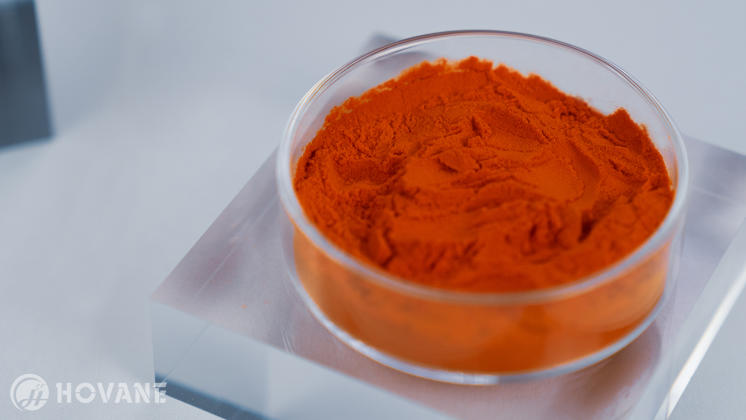
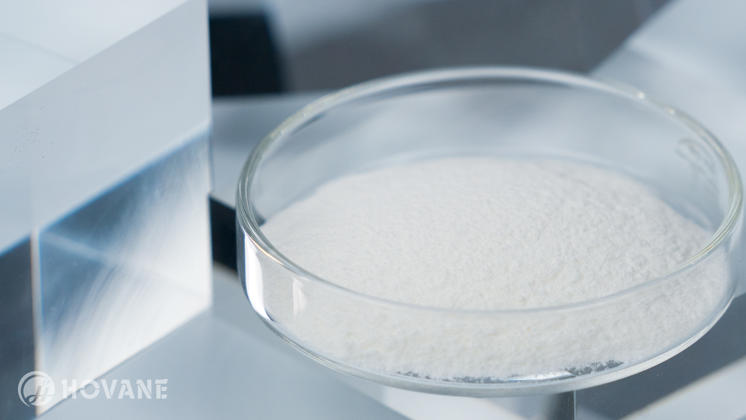
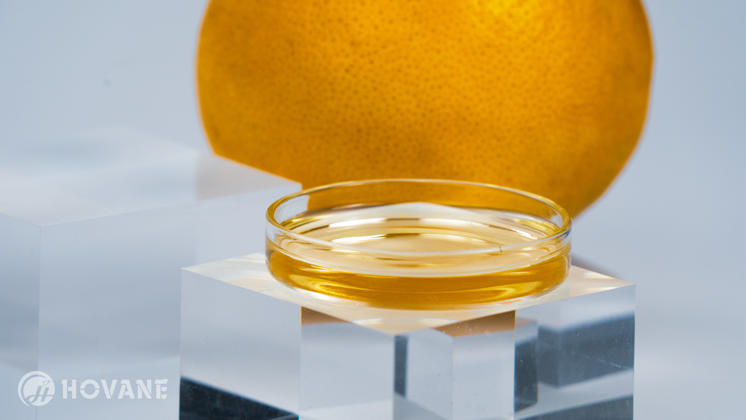
1. Understanding Standardized Powder Botanical Extracts: The Technical Paradigm
In modern industrial manufacturing—spanning dietary supplements, functional foods, cosmeceuticals, and botanical pharmaceuticals—Standardized Powder Botanical Extracts represent the cornerstone of formulation stability, efficacy, and regulatory safety. Unlike crude plant powders or raw ratio extracts (e.g., 4:1 or 10:1), a standardized extract guarantees a quantified, scientifically proven concentration of specific active phytochemical compounds (markers) in every single production batch.
Global procurement teams often face significant challenges when navigating botanical raw material markets: batch-to-batch active ingredient variability, solvent residue contamination, heavy metal spikes, and adulteration. Standardized botanical powder extracts eliminate these risks by isolating key bioactive molecules—such as polyphenols, flavonoids, alkaloids, saponins, and terpenoids—and concentrating them to precise percentages verified by High-Performance Liquid Chromatography (HPLC), Ultra-Performance Liquid Chromatography (UPLC), Gas Chromatography-Mass Spectrometry (GC-MS), or Ultraviolet-Visible Spectroscopy (UV-Vis).
Information Gain Insight: Standardized Extracts vs. Ratio Extracts
Ratio Extracts (e.g., 10:1): Indicate the starting biomass weight relative to the final yield. They do not account for natural fluctuations in wild-harvested or cultivated biomass. A 10:1 extract from low-potency raw material yields low active bioactives.
Standardized Powder Extracts: Formulated to an absolute, assay-backed concentration (e.g., 95% Curcuminoids, 50% Icariin, 80% Silymarin). This allows R&D formulators to calculate exact therapeutic dosages, comply with international pharmacopeial limits, and ensure reproducible clinical efficacy.
At IES Biotech Co., Ltd., standardized powder extracts undergo rigorous processing in our Sichuan facilities. From initial botanical authentication using DNA barcoding and TLC mapping to cleanroom spray-drying and micronization, we engineer powders that exhibit superior flowability, controlled bulk density, low moisture absorption, and excellent solubility profiles customized for solid-dose capsules, tablets, and beverage formulations.
2. Technical Benchmark Matrix: Standardized vs. Crude Botanical Powders
To assist global procurement officers and quality assurance teams in verifying technical criteria, the table below illustrates the physical, analytical, and operational metrics of standardized powder botanical extracts manufactured by IES Biotech Co., Ltd. compared to standard market alternatives.
| Quality & Technical Parameter |
IES Biotech Standardized Powder Extracts |
Conventional Crude / Ratio Powders |
Formulation & Buyer Impact |
| Active Marker Concentration |
Guaranteed Assay (e.g., 5% to 99% HPLC) |
Variable / Unquantified bioactive content |
Ensures exact dosage calculation & label claim stability |
| Batch-to-Batch Variance |
< ±2% relative active marker shift |
Up to 40% fluctuation based on harvest season |
Eliminates formulation recalculation per order batch |
| Pesticide Residue Limits |
USP <561> & EP 2.8.13 Compliant (< LOQ) |
Frequently exceeds EU/FDA residue action levels |
Guarantees seamless import customs clearance globally |
| Heavy Metal Limits |
Pb <1.0 ppm, As <1.0 ppm, Cd <0.5 ppm, Hg <0.1 ppm |
High exposure risk from unmonitored soil |
Meets stringent California Proposition 65 & EU thresholds |
| Residual Solvents |
Class 1 free; Class 2 & 3 within ICH Q3C limits |
Unregulated solvent recovery practices |
Ensures consumer safety and toxicological compliance |
| Particle Size & Density |
80–200 Mesh customizable; uniform bulk density |
Irregular particle distribution, high dustiness |
Optimizes high-speed encapsulation and tableting throughput |
Table 1.1: Technical comparison demonstrating the manufacturing standards enforced by IES Biotech Co., Ltd.
3. High-Demand Standardized Powder Extracts: Recommended Specifications
Global buyer data from North America, Europe, Asia-Pacific, and Latin America highlight high demand for specific standardized botanical active compounds. Below are key flagship standardized powders manufactured by IES Biotech Co., Ltd., complete with analytical assay metrics and formulation applications.
Epimedium Extract (Icariin / Icaritin)
Assay: 10% – 98% by HPLC | Appearance: Fine Yellowish Brown to Light Yellow Powder
Extracted from premium Epimedium brevicornu Maxim harvest. Highly requested in sports nutrition, vitality formulas, and cardiovascular wellness blends. Rigorously screened for pesticide profiles and heavy metals.
Resveratrol & Polydatin Powder
Assay: 50% – 99% Trans-Resveratrol | Source: Polygonum cuspidatum
Industry-leading antioxidant active isolated using green ethanolic crystallization. Highly stable, low residue, optimal particle sizing for enhanced oral bioavailability in anti-aging capsules and functional foods.
Milk Thistle Extract (Silymarin / Silybin)
Assay: 80% Silymarin by UV / 30%–60% Silybin by HPLC
Processed via specialized solvent extraction preserving natural isomer ratios. Fully compliant with European Pharmacopoeia (EP) monograph standards for liver protection and detox dietary formulas.
Custom Standardized Powder Formulations
Assay: Tailored Active Percentages | Spray-Dried & Granulated
Custom botanical extraction designed to meet exact customer specifications. We adjust particle mesh size, bulk density, moisture levels, and water/ethanol solubility for seamless integration into direct compression tableting lines.
4. Industry & Phytochemical Development Trends (2025–2030)
The global market for standardized powder botanical extracts is undergoing a profound technology transformation driven by strict regulatory requirements, eco-conscious consumers, and advanced delivery technologies. Formulators and procurement managers must adapt to several emerging technical trends over the next five years:
A. Green Clean-Label Extraction Technologies
Traditional hydrocarbon-based solvents (e.g., hexane, dichloromethane) are being rapidly phased out due to EU REACH restrictions and FDA safety warnings. Future procurement favors botanical powders produced via Supercritical CO2 Extraction, subcritical water extraction, and green bio-based ethanol processing. These methods leave zero toxic residual solvents while preserving heat-sensitive bioactive markers.
B. Nano-Encapsulation & Micronization for Superior Bioavailability
A major limitation of hydrophobic botanical active compounds (such as Curcumin, Resveratrol, and Quercetin) is poor gastrointestinal absorption. Industry development trends focus on micro-encapsulated powder formats, liposomal powder carriers, and nano-micronization down to sub-micron particle scales. This increases dissolution rates, allows lower dosages, and enhances final formulation value.
C. DNA Barcoding, Isotope Traceability & Anti-Adulteration Protocols
As botanical adulteration becomes more sophisticated (e.g., synthetic dye addition or blending with low-cost bio-identical synthetics), major global brands require full genomic verification. DNA barcoding of raw herbs combined with Carbon-14 (¹&sup4;C) isotopic testing confirms 100% natural plant origin versus synthetic substitutes. IES Biotech integrates raw material identity testing into every batch process to ensure complete authenticity.
D. Synergistic Multi-Botanical Standardized Matrices
Rather than single-ingredient formulas, buyers increasingly source co-extracted standardized powder matrices—where multiple medicinal herbs are extracted and standardized together in fixed bioactive ratios. This creates therapeutic synergy, simplifies regulatory dossier filings, and reduces warehouse SKU management for brand owners.
5. Global Procurement & Supply Chain Trends: What B2B Buyers Must Know
Navigating the global supply chain for standardized powder plant extracts requires proactive planning. Shifts in international trade policy, environmental regulations, and ESG compliance have altered how international enterprises approach botanical procurement:
- Shift from Spot-Market Buying to Strategic Contract Manufacturing: Volatility in wild-harvest crop yields and freight costs has led global procurement heads to partner directly with primary manufacturers through multi-year supply agreements. Direct manufacturer relationships secure stable pricing, priority batch allocation, and customized technical specifications.
- ESG & Sustainable Wildcrafting Auditability: Corporate Sustainability Reporting Directives (CSRD in Europe) require supply chain transparency. Buyers need suppliers who document sustainable harvest practices, fair-trade biomass sourcing, energy-efficient drying systems, and zero-waste extraction residue recycling.
- Streamlined Regulatory Dossier Readiness: Global customs inspections now demand instant accessibility to batch documentation. Suppliers must deliver verified Certificates of Analysis (COA), Technical Data Sheets (TDS), Safety Data Sheets (SDS), Allergen Declarations, Non-GMO verification, BSE/TSE statements, and Irradiation-Free certifications alongside shipping documents.
6. Enterprise Advantages: Why Partner with IES Biotech Co., Ltd.?
Founded in 2003, IES Biotech Co., Ltd. has spent over two decades building a globally recognized reputation as a premier botanical extract manufacturer. Headquartered in Sichuan, China—a region renowned for its rich biodiversity and abundant medicinal plant resources—our company bridges botanical science with commercial-scale manufacturing precision.
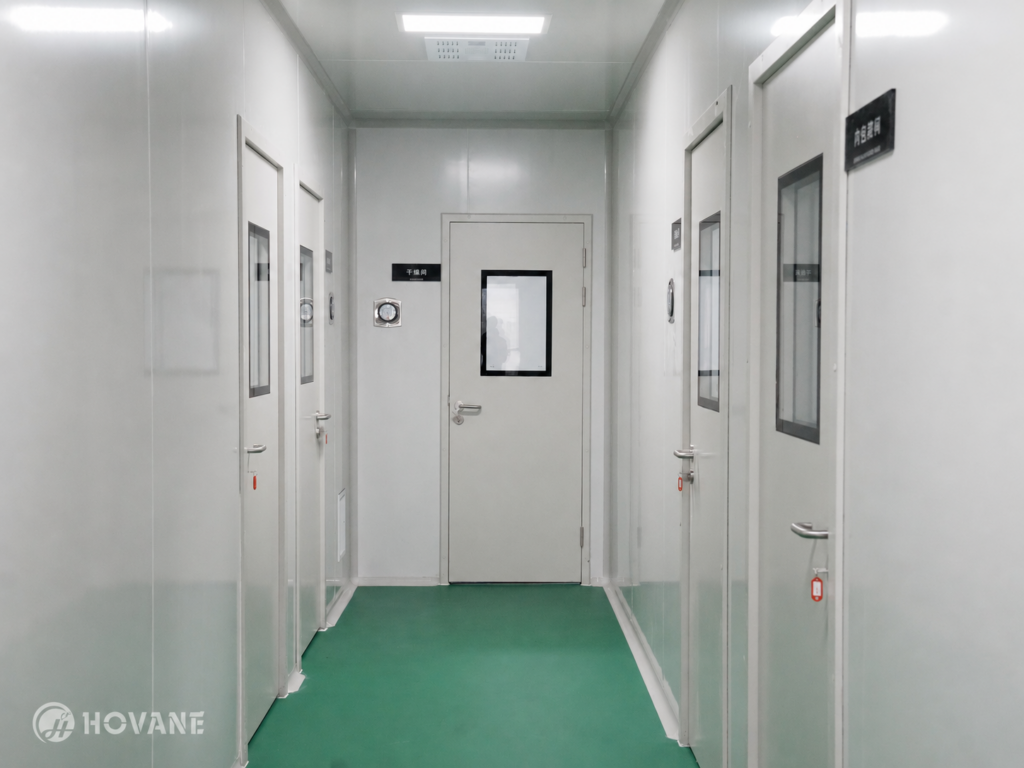
Figure 1.1: IES Biotech Co., Ltd. state-of-the-art GMP-compliant cleanroom production suite.
20+ Years Sourcing & Processing Heritage
Established in 2003, we have cultivated long-term partnerships with certified raw material farming bases, ensuring full batch traceability from field to finished powder extract.
GMP-Compliant Cleanroom Operations
Our extraction, isolation, spray-drying, and packaging suites operate under strict Good Manufacturing Practices (GMP), equipped with HEPA-filtered cleanrooms to prevent cross-contamination.
State-of-the-Art Phytochemistry R&D Lab
Our in-house analytical testing center features high-precision HPLC, UV, GC-MS, and Atomic Absorption Spectrometry equipment operated by senior phytochemical specialists.
Comprehensive Compliance Documentation
Every shipment is accompanied by a batch-specific COA, TDS, SDS, pesticide residue report (USP <561>), heavy metal screening, and residual solvent evaluation.
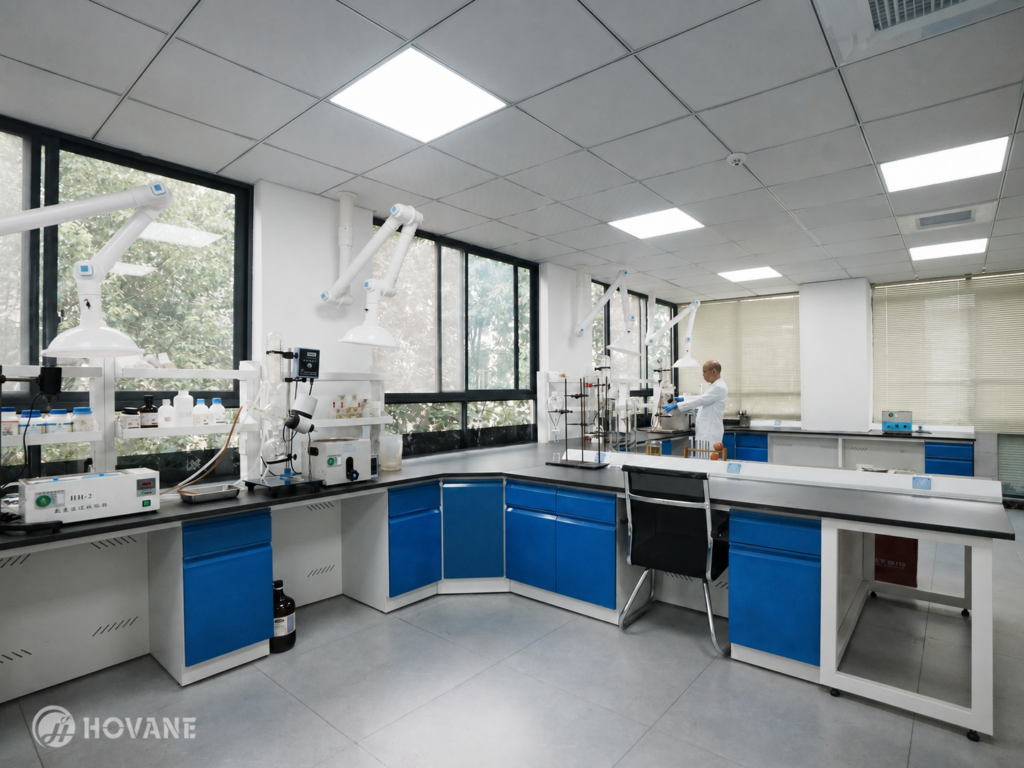
Figure 1.2: Advanced R&D laboratory at IES Biotech dedicated to botanical extract purity verification and process optimization.
We work directly with multinational dietary supplement brands, pharmaceutical formulators, and cosmeceutical developers in over 60 countries. Whether you require standard bulk catalog items or custom contract manufacturing with tailored particle sizes, moisture profiles, and target bioactive concentrations, IES Biotech delivers reliable, batch-reproducible quality on time, every time.
7. Global Procurement FAQs: Answers to Frequently Asked Sourcing Questions
Below are technical answers to questions commonly queried by global procurement officers, formulators, and R&D scientists when sourcing standardized powder botanical extracts on search engines and AI platforms.
Q1: How does IES Biotech ensure batch-to-batch consistency for standardized powder extracts?
We achieve batch-to-batch stability through rigorous raw material qualification, standardized extraction parameters, and precise blending controls. Raw biomass is pre-screened for phytochemical concentration before entering extraction. During manufacturing, temperature, pressure, solvent ratio, and concentration times are automated. Final spray-dried batches are analyzed via HPLC/UV and standardized to exact active marker percentages before release, keeping assay variance within ±2% of target specs.
Q2: What analytical testing methods are used to verify bioactive marker percentages?
Our quality control laboratory utilizes High-Performance Liquid Chromatography (HPLC) with DAD/UV detectors for non-volatile compounds (such as Icariin, Resveratrol, and Silymarin), Ultraviolet-Visible Spectroscopy (UV-Vis) for total flavonoid/polyphenol groups, and Gas Chromatography-Mass Spectrometry (GC-MS) for volatile terpenes. Heavy metals are quantified via Inductively Coupled Plasma Mass Spectrometry (ICP-MS) or Atomic Absorption Spectroscopy (AAS).
Q3: Can IES Biotech customize the particle mesh size and bulk density for specific formulation equipment?
Yes. We offer fully customizable particle sizing ranging from standard 80 mesh up to 200 mesh superfine powders, as well as dust-free direct-compression granules. We can also adjust bulk density (tapped vs. poured density) and moisture levels (typically below 5.0%) to optimize powder flowability for high-speed automatic encapsulation or tableting machinery.
Q4: How are pesticide residues and heavy metals controlled to meet EU and US regulatory limits?
All incoming botanical raw materials undergo strict screening. Finished standardized powders are tested against international pharmacopeia limits, including USP <561> (multi-residue pesticide screen covering over 400 compounds) and European Pharmacopoeia (EP 2.8.13). Heavy metals (Lead, Arsenic, Cadmium, Mercury) are strictly controlled well below standard California Proposition 65 and EU Regulation (EU) 2023/915 action limits.
Q5: What solvent systems are used during the extraction of your powder botanicals?
IES Biotech prioritizes environmentally friendly green extraction systems. We primarily use purified water, food-grade ethanol, or eco-friendly water-ethanol mixtures. We do not use Class 1 carcinogenic solvents. Residual solvents in final powders are verified by Headspace Gas Chromatography (HS-GC) to comply with ICH Q3C residual solvent guidelines.
Q6: What technical documentation accompanies a standard commercial shipment?
Every commercial lot shipped by IES Biotech Co., Ltd. includes a comprehensive technical dossier: Batch-Specific Certificate of Analysis (COA), Technical Data Sheet (TDS), Safety Data Sheet (SDS), Allergen Statement, Non-GMO Certificate, BSE/TSE Free Statement, and Certificate of Origin. Detailed third-party laboratory test reports (e.g., Eurofins, SGS) are available upon contract request.
Q7: What is the typical lead time and minimum order quantity (MOQ) for custom standardized powders?
Standard catalog items maintained in stock are ready for shipment within 3 to 5 business days. Custom standardization runs or specialized mesh grinding projects typically require a manufacturing lead time of 2 to 3 weeks. Our flexible MOQs range from 1 kg for trial sample validation up to metric ton quantities for commercial distribution contracts.
Q8: How are standardized powder extracts packaged to prevent moisture pickup and degradation?
Because powdered botanical extracts can be hygroscopic, our standard packaging consists of food-grade double polyethylene inner bags vacuum-sealed inside aluminum foil barrier bags, packed into heavy-duty 25 kg fiber drums. This packaging insulates the powder from moisture, oxygen, and UV light degradation during air or ocean freight transport.
Request Technical Specifications & Catalog
Partner with IES Biotech Co., Ltd. for factory-direct standardized powder botanical extracts. Access batch-specific COAs, request validation samples, or consult with our senior phytochemical R&D team today.