
Standardized Herbal Powder Extracts: Technical Benchmarks, Future Sourcing Trends & B2B Quality Compliance
An in-depth technical resource for global procurement managers, QA leads, and formulation scientists. Explore batch standardization criteria, analytical validation methods (HPLC vs. UV), residual contaminant controls, market dynamics, and OEM processing standards.
1. Demystifying Standardized Herbal Powder Extracts: Analytical & Process Architecture
In modern industrial phytochemistry and commercial nutraceutical formulation, Standardized Herbal Powder Extracts represent the pinnacle of botanical ingredient engineering. Unlike crude raw herb powders or simple concentration-ratio extracts (such as 5:1 or 10:1), a standardized extract guarantees a quantified, reproducible concentration of specific bio-active marker compounds across every manufacturing lot. This consistency is paramount for commercial brand owners, clinical formulators, and pharmaceutical manufacturers who require precise dosage efficacy, strict batch-to-batch uniformity, and seamless regulatory compliance.
Botanical raw materials naturally undergo significant phytochemical variability driven by geographic origin, harvesting season, micro-climate, soil chemistry, drying conditions, and storage duration. Standardized herbal powder extracts neutralize this natural fluctuation through advanced solvent extraction, liquid-liquid fractionation, membrane isolation, column chromatography, and precision spray-drying or vacuum-drying operations. By controlling these parameters, manufacturers deliver a physical dry powder with pre-determined chemical assays, validated solubility profiles, and controlled physical metrics (such as bulk density, particle size distribution, and loss on drying).
Information Gain: Ratio Extracts vs. Standardized Active Extracts
A 10:1 Ratio Extract merely indicates that 10 kilograms of raw botanical biomass were used to yield 1 kilogram of extract powder. It provides no analytical verification of active compound retention. Conversely, a Standardized Powder Extract (e.g., Epimedium Extract standardized to 20% Icariin by HPLC) certifies the exact bioactive density, guaranteeing that every kilogram contains precisely 200 grams of pure Icariin regardless of raw material yield variations.
1.1 Analytical Validation: HPLC-DAD vs. UV-Vis Spectrophotometry
A critical challenge in global B2B procurement is resolving assay discrepancies caused by differing analytical methodologies. Global procurement directors and quality assurance managers must distinguish between High-Performance Liquid Chromatography (HPLC) and Ultraviolet-Visible (UV-Vis) Spectrophotometry when evaluating Certificates of Analysis (COA):
- High-Performance Liquid Chromatography (HPLC-DAD/UV): The gold standard for quantitative phytochemical analysis. HPLC physically separates complex chemical mixtures on a stationary chromatographic column before detection. It isolates individual target molecules (e.g., separating Icariin from related flavonoid glycosides like Epimedin A, B, and C), delivering absolute specificity and eliminating non-target interference.
- UV-Vis Spectrophotometry: Measures total optical absorbance at a target wavelength. While cost-effective and rapid, UV-Vis lacks chromatographic resolution. Non-target polyphenols, degradation products, or structurally related flavonoids absorb light at identical wavelengths, often artificially inflating total assay values by 15% to 45% compared to HPLC verification.
At IES Biotech Co., Ltd., all standardized herbal powder extracts undergo rigorous chromatographic validation using state-of-the-art HPLC-DAD, LC-MS/MS, and GC-MS systems to ensure true active constituent reporting that complies with United States Pharmacopeia (USP), European Pharmacopoeia (Ph. Eur.), and Japanese Pharmacopoeia (JP) standards.
Physical & Powder Engineering Parameters
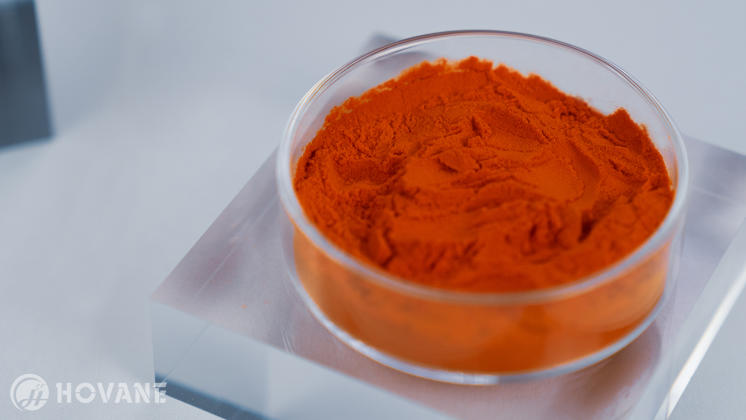
Direct compression, hard-gel encapsulation, and sachet filling demand pristine physical powder characteristics. Powder standardization extends far beyond chemical assay targets to encompass crucial physical performance indicators:
- Mesh Size Distribution: Standardized options ranging from 80-mesh for capsules to 200-mesh ultrafine powders for instant beverage solubility.
- Bulk & Tapped Density: Controlled tapping ratios ensuring zero volume variations during automated high-speed capsule filling (USP <616>).
- Hygroscopicity Management: Optimized moisture levels (Loss on Drying < 5.0%) preventing clumping, micro-caking, and hydrolysis during prolonged shelf life.
2. High-Demand Standardized Herbal Powder Extracts: Portfolio & Technical Specifications
Selecting the optimal botanical ingredient requires aligning therapeutic targets, dosage form constraints, and rigorous testing limits. Below is a detailed portfolio of high-demand standardized herbal powder extracts manufactured by IES Biotech Co., Ltd. for global distribution:
| Botanical Source | Standardized Active Marker | Testing Method | Physical Appearance | Primary Application |
|---|---|---|---|---|
| Epimedium brevicornum (Horny Goat Weed) |
Icariin 10%, 20%, 50%, 98% HPLC Validated |
HPLC-DAD | Brown yellow to light yellow powder | Men's Health, Vitality, Sports Nutrition |
| Curcuma longa (Turmeric Root) |
Total Curcuminoids 95% (Curcumin, DMC, BDMC) |
HPLC / UV | Bright yellow fine powder | Anti-inflammatory, Joint Health, Cellular Support |
| Ginkgo biloba L. (Ginkgo Leaf) |
Flavonoid Glycosides 24% / Lactones 6% (Ginkgolic Acid < 5 ppm) |
HPLC-UV | Light yellow-brown powder | Cognitive Function, Nootropics, Micro-circulation |
| Silybum marianum (Milk Thistle Seed) |
Silymarin 80% / Silybin 30% | HPLC / UV | Light brown to yellow powder | Hepatoprotective, Liver Detoxification, Cosmeceutical |
| Camellia sinensis (Green Tea Leaf) |
EGCG 50%, 90% / Total Polyphenols 98% Caffeine < 0.5% (Decaf option) |
HPLC | Fine off-white to pale pink powder | Antioxidant Formulations, Weight Management |
| Withania somnifera (Ashwagandha Root) |
Withanolides 2.5%, 5.0%, 10% | HPLC / Gravimetric | Fine brown to tan powder | Adaptogenic Formulations, Stress & Cortisol Balance |
| Rhodiola rosea L. (Golden Root) |
Rosavins 3% / Salidroside 1% | HPLC | Reddish-brown fine powder | Energy, Endurance, Mental Fatigue Mitigation |
Each product batch supplied by IES Biotech Co., Ltd. is accompanied by a full dossier including the batch Certificate of Analysis (COA), Technical Data Sheet (TDS), Safety Data Sheet (SDS), and comprehensive origin traceability documentation.
3. Strategic Sourcing & Procurement Trends (2025–2030)
The global trade in standardized botanical ingredients is undergoing a profound structural shift. Driven by changing regulatory demands, consumer transparency, and AI-enabled supply chain monitoring, B2B procurement leaders must navigate several emerging developments over the coming decade:
1. Stringent Contaminant & Trace Control (EUDR & USP <561>)
Regulatory authorities in Europe (EFSA) and North America (US FDA) are continuously lowering allowable thresholds for heavy metals, pyrrolizidine alkaloids (PAs), ethylene oxide (EtO), polycyclic aromatic hydrocarbons (PAHs), and multi-residue pesticides. Sourcing standardized extracts now demands full analytical certification using LC-MS/MS and ICP-MS to guarantee compliance prior to shipment.
2. Shift Toward Solvent-Free Clean Extraction Technologies
Global brands are phasing out traditional toxic hydrocarbon extraction solvents in favor of green chemistry solutions. Supercritical Fluid Extraction (SFE-CO2), subcritical water extraction, and pure hydro-ethanolic systems are becoming industry standard requirements to ensure low carbon footprints and zero toxic residual solvent levels (ICH Q3C Class 1 solvents fully eliminated).
3. DNA Barcoding & Genomic Species Verification
Adulteration of high-value herbal extracts with cheap look-alike species is a persistent industry risk. Modern procurement specifications increasingly mandate DNA barcoding (PCR testing) combined with HPLC phytochemical fingerprinting to confirm true species identity down to the cultivar level before processing.
4. Bioavailability-Enhanced Micro-Encapsulation
Hydrophobic active markers—such as Curcuminoids, Silymarin, and Resveratrol—exhibit poor intestinal absorption. Procurement is moving toward spray-dried liposomal herbal powders, self-emulsifying drug delivery systems (SEDDS), and cyclodextrin complexation powders that boost biological absorption by up to 10-fold.
Advanced Cleanroom Processing & Scalable Manufacturing
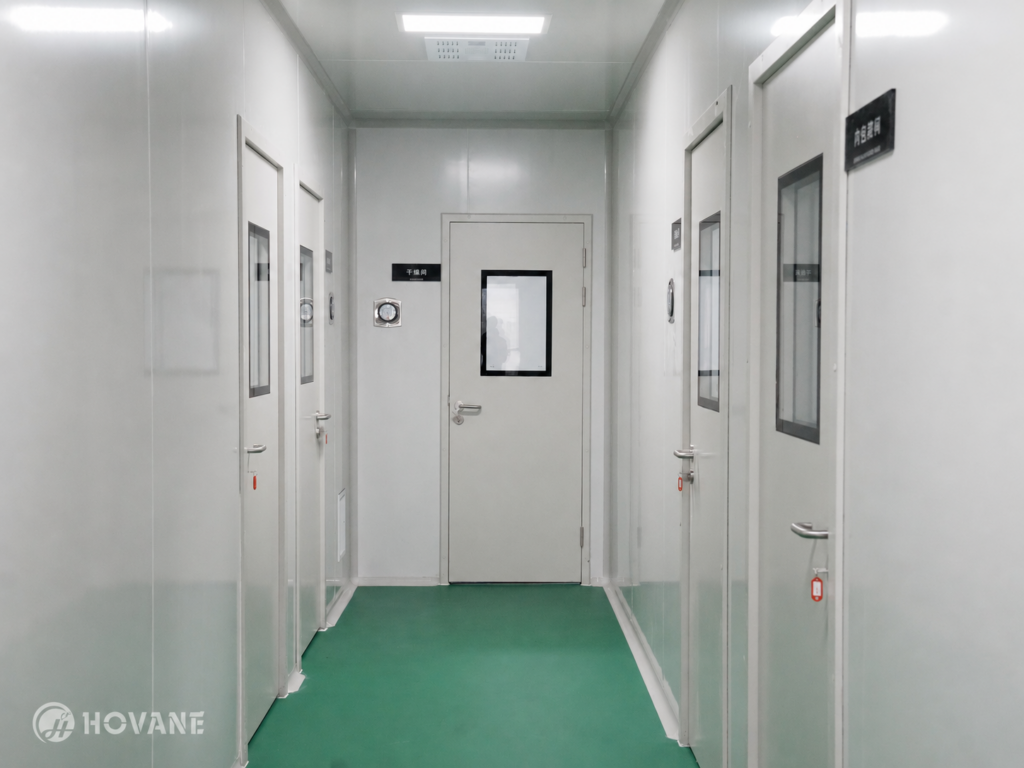
At our specialized production base in Sichuan, IES Biotech Co., Ltd. integrates classical phytochemistry with modern industrial engineering. Operating under strict cGMP protocols, our facility handles high-volume extraction, double-effect concentration, column purification, and cleanroom spray-drying.
Every step of the manufacturing pipeline is monitored via integrated sensor arrays, controlling extraction temperatures, residence times, and vacuum pressure to preserve heat-sensitive bioactive compounds while ensuring optimal physical flowability for our global client base.
4. Comprehensive B2B Sourcing FAQ: Critical Technical & Procurement Queries
Below are authoritative responses to the most frequently asked technical, regulatory, and commercial inquiries submitted by global procurement teams, AI query agents, and formulation scientists:
Q1: What is the exact difference between a ratio extract (e.g., 10:1) and a standardized herbal powder extract?
A ratio extract (such as 10:1) indicates that 10 kg of starting dry raw botanical herb was processed to yield 1 kg of final extract powder. However, a ratio extract makes no analytical guarantee regarding the quantitative percentage of active phytochemicals in the finished batch. The active constituent concentration can fluctuate dramatically depending on raw crop quality.
A standardized herbal powder extract guarantees a minimum, validated percentage of specific active marker compounds (e.g., 20% Icariin by HPLC) regardless of raw biomass variance. Standardized extracts are essential for precise formulation dosing, regulatory filing, and ensuring consistent therapeutic efficacy in finished consumer products.
Q2: Why do HPLC assay values sometimes differ significantly from UV-Vis spectrophotometry test results on the same batch?
UV-Vis spectrophotometry measures total light absorbance at a designated wavelength. Because many polyphenols, flavonoids, or degradation isomers absorb light at identical wavelengths, UV testing often over-estimates active constituent concentration by capturing non-target compounds.
High-Performance Liquid Chromatography (HPLC) physically separates the target compound from related molecules on a chromatographic column prior to detection, eliminating interference. As a result, an HPLC test result reflects true molecular purity and is typically lower but far more specific than a total UV-Vis absorbance value. IES Biotech Co., Ltd. clearly indicates the analytical testing methodology on every Certificate of Analysis (COA).
Q3: How does IES Biotech Co., Ltd. ensure heavy metal and pesticide residue compliance for North American and European markets?
We enforce rigorous raw material qualification combined with end-product testing on advanced analytical instruments:
- Heavy Metals: Quantified via ICP-MS (Inductively Coupled Plasma Mass Spectrometry) to satisfy USP <2232> and Commission Regulation (EU) 2023/915 limits: Lead (Pb) < 3.0 ppm, Cadmium (Cd) < 1.0 ppm, Arsenic (As) < 1.0 ppm, Mercury (Hg) < 0.1 ppm.
- Pesticide Residues: Screened via GC-MS/MS and LC-MS/MS multi-residue panels covering over 400 compounds, fully compliant with USP <561> and European Regulation (EC) No 396/2005.
- Ethylene Oxide (EtO) & PAHs: Strictly tested for EU market export to guarantee EtO / 2-chloroethanol levels below 0.05 mg/kg and Benzo(a)pyrene < 10 ppb.
Q4: What parameters are analyzed to ensure physical powder compatibility with high-speed capsule filling and direct tablet compression?
Powder machineability depends on physical rheology. We routinely test and optimize:
- Particle Size Distribution: Laser diffraction (D10, D50, D90) and standard mesh screening (80-mesh to 200-mesh) to prevent segregation in dry powder blends.
- Bulk & Tapped Density: Evaluated via USP <616> density testers to calculate Carr’s Compressibility Index and Hausner Ratio, guaranteeing excellent powder flow without bridging.
- Moisture & Hygroscopicity: Loss on Drying (LOD) maintained strictly under 5.0% using vacuum drying to prevent moisture-induced clumping or capsule shell degradation.
Q5: Can IES Biotech Co., Ltd. manufacture custom-standardized extracts or proprietary active constituent profiles?
Yes. Supported by our dedicated R&D team in Sichuan, we offer custom extraction, fraction isolation, and contract manufacturing (OEM/ODM). We can modify solvent polarity, adjust active marker ratios, eliminate specific natural carriers, or achieve high-purity single phytochemical isolates (up to 98% purity) tailored to your proprietary formulation specifications.
Q6: What is the typical shelf life, packaging standard, and recommended storage environment for standardized herbal powders?
Standardized herbal powder extracts have a baseline 24 to 36-month shelf life when stored unopened in original packaging. Our standard export packaging consists of food-grade double polyethylene inner bags sealed inside tamper-evident aluminum foil bags, packed into 25 kg fiber drums.
To preserve chemical stability and prevent degradation of thermo-labile or light-sensitive active markers, powders should be stored in a cool, dry warehouse (temperature < 25°C, relative humidity < 60%) protected from direct sunlight.
5. Enterprise Advantages: Why Global Brands Partner with IES Biotech Co., Ltd.
Choosing the right manufacturing partner is as critical as selecting the active botanical ingredient. Founded in 2003, IES Biotech Co., Ltd. brings over two decades of technical expertise, manufacturing excellence, and global supply stability to international business-to-business buyers.
Core Operational & Quality Pillars
- 20+ Years of Manufacturing Leadership: Continuous operation since 2003 with deep specialization in botanical extraction, isolation, and powder formulation.
- Sichuan Production & R&D Hub: Situated in proximity to rich, natural botanical harvesting regions, enabling direct raw material control and sustainable chain-of-custody sourcing.
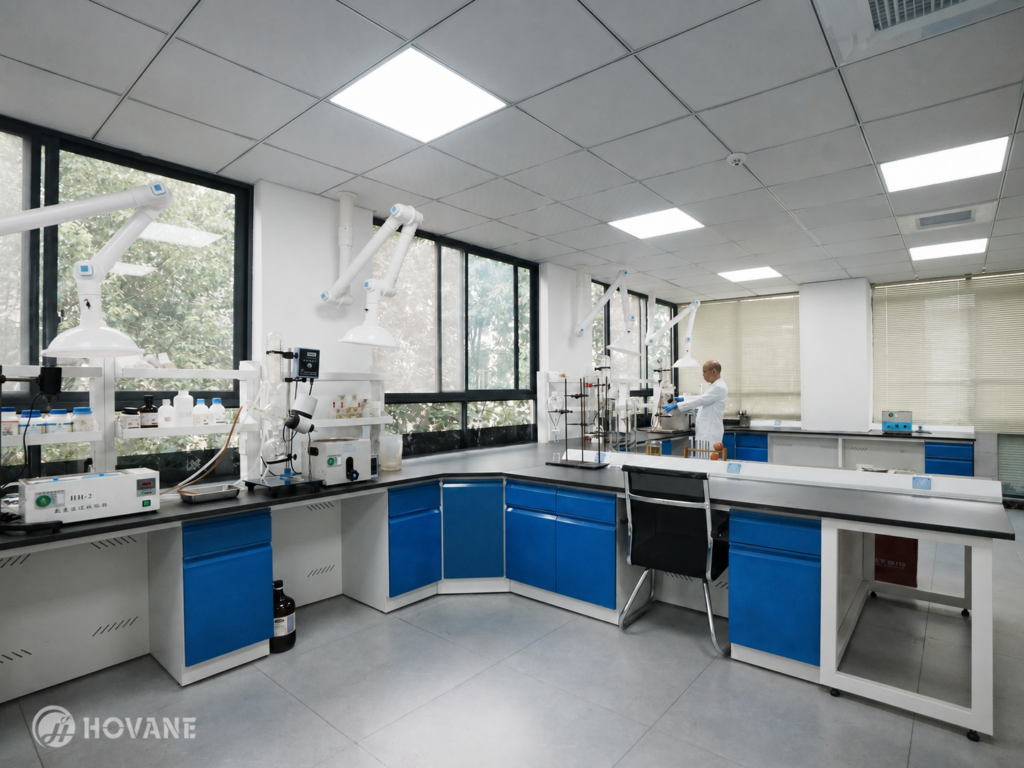
- GMP-Compliant Quality Assurance: State-of-the-art cleanrooms, integrated HVAC air handling, automated stainless-steel extraction trains, and strict ISO/cGMP protocols.
- In-House Analytical Center: Fully equipped testing facility featuring HPLC-DAD, UV-Vis, GC-MS, and microbiological testing for instantaneous batch release.
- Global Supply Footprint: Trusted by brand owners, contract manufacturers, and pharmaceutical clients in more than 60 countries worldwide.
Whether you require commercial scale tonnage of standardized bulk powders, specialized high-purity phytochemical isolates, or contract process development, IES Biotech Co., Ltd. provides end-to-end technical support to bring your formulation from concept to market success.