
Executive Overview: The Scaling Challenge in Phytochemical Engineering
In global B2B supply chains—spanning dietary supplements, functional foods, cosmeceuticals, and botanical pharmaceuticals—the bridge between benchtop discovery and commercial-scale manufacturing represents a notorious technical bottleneck. More than 70% of high-purity plant compound isolation protocols developed in academic laboratories fail when transitioned to multi-ton industrial scale. This breakdown stems from the inherent heterogeneity of natural biomass, thermal degradation of labile active markers, non-linear mass transfer dynamics, and stringent regulatory ceilings for residual solvents and pesticide residues.
Phytochemical Process Development is the disciplined, multi-disciplinary engineering framework that resolves these friction points. Rather than relying on empirical trial-and-error, modern phytochemical engineering models thermodynamics, solid-liquid partition coefficients, and kinetic mass balance across every unit operation. At IES Biotech Co., Ltd., located in Sichuan, China, our R&D engineers transform target plant molecules into robust, reproducible, and cost-effective commercial products for global procurement partners.
Core Engineering Principle: Successful phytochemical process development demands that target purity specs (e.g., ≥98% by HPLC) remain invariant despite natural fluctuations in raw biomass marker concentration, seasonal harvesting variations, and industrial scale batch volumes.
The 5-Stage Phytochemical Process Development Framework
To eliminate yield collapse, control impurity profiles, and deliver complete regulatory compliance (EP, USP, EUDR, ICH Q3C), IES Biotech Co., Ltd. executes a standardized 5-stage technical process development workflow for every B2B client project.
Raw Material Biomass Fingerprinting
Characterization of plant biomass via UPLC-MS/MS. We map secondary metabolite profiles, moisture content, particle size distribution, matrix density, and baseline heavy metal / pesticide loads to define optimal pre-treatment protocols (e.g., cryogenic milling, enzymatic digestion).
Extraction Screening & Solvation Dynamics
Selection of green, food-grade, or pharmaceutical solvents (aqueous, ethanolic, hydro-alcoholic, or supercritical CO2). We screen temperature, pressure, solid-to-solvent ratios, and ultrasonic/microwave assistance to maximize target molecule mass transfer while suppressing co-extracted waxes and chlorophylls.
Chromatographic Isolation & Enrichment
Purification modeling using macroporous adsorption resins, ion-exchange chromatography, or preparative HPLC. We define precise adsorption isotherms, elution concentration gradients, flow velocities, and resin regeneration cycles to achieve high assay isolation (>90% to >99%).
Thermal Evaporation & Solid State Engineering
Concentration under vacuum using falling-film or wiped-film evaporators to prevent thermal degradation of heat-sensitive compounds. Final solid-state drying (spray drying, vacuum freeze drying, or crystallization) is optimized for particle size, flowability, bulk density, and instant solubility.
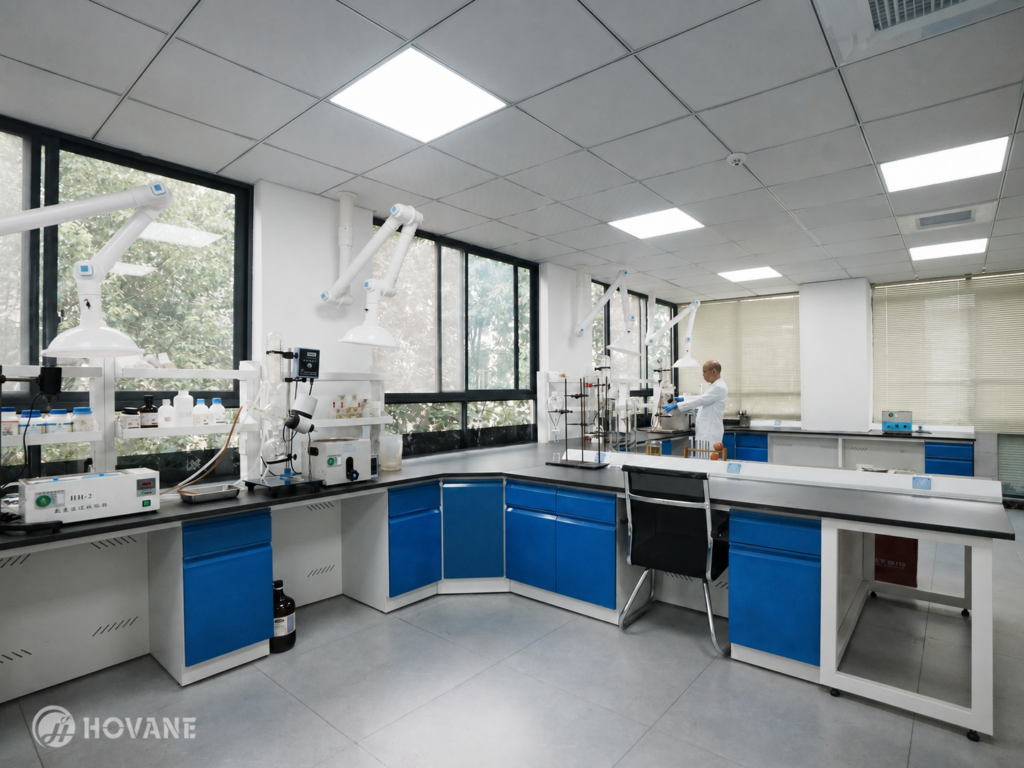
Figure 1: Analytical R&D laboratory at IES Biotech Co., Ltd., equipped with HPLC-DAD and mass spectrometry for precise phytochemical assay tracking.
Methodology Matrix: Comparing Extraction & Isolation Technologies
Selecting the correct unit operations determines both operational expenditure (OpEx) and final extract specification. The technical evaluation table below outlines the primary industrial methodologies utilized in custom phytochemical process development at IES Biotech Co., Ltd.:
| Technology | Target Compound Class | Yield & Assay Efficiency | Solvent & Environmental Profile | Industrial Scale Feasibility |
|---|---|---|---|---|
| Counter-Current Extraction (CCE) | Polyphenols, Flavonoids, Water-Soluble Glycosides | High Yield (92–97%); Continuous Mass Balance | Aqueous / Hydro-Ethanolic; Eco-friendly | Excellent for high-tonnage bulk production |
| Supercritical Fluid Extraction (SFE-CO2) | Lipids, Essential Oils, Lipophilic Terpenes | High Selectivity; Zero Solvent Residue | 100% Solvent-Free; Green CO2 recycling | Optimal for high-value premium actives |
| Macroporous Resin Column Chromatography | Saponins, Alkaloids, Anthocyanins | Enrichment from 5% to 60–80% active purity | Ethanol/Water elution; Low waste generation | Standardized pilot and commercial columns |
| Preparative HPLC & Crystallization | Single Active Pharmaceutical Isolates (≥98%) | Ultra-High Assay Purity (≥98%–99.5%) | Controlled Pharma Solvents; Full solvent recovery | High CapEx; Ideal for specialized APIs & Reference Standards |
Standardized Product Categories & Customized Solutions
Through dedicated phytochemical process development, IES Biotech Co., Ltd. offers customized manufacturing across three core B2B product lines, tailored to client specification profiles:
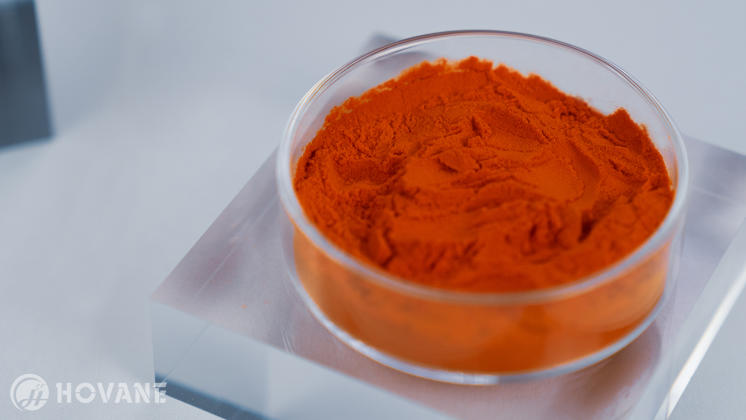
Standardized Powder Extracts
High-assay, spray-dried or vacuum-dried powders engineered for tight active content ranges, consistent particle sizing, low hygroscopicity, and superior tableting or encapsulation performance.
View Powder Range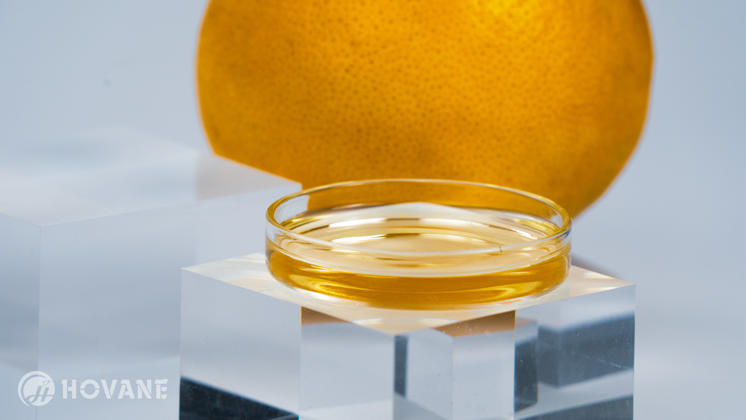
Standardized Liquid Extracts
Precision-concentrated liquid and oleoresin extracts with standardized marker concentrations, controlled viscosity, crystal stability, and full clarity in beverage or cosmetic bases.
View Liquid Range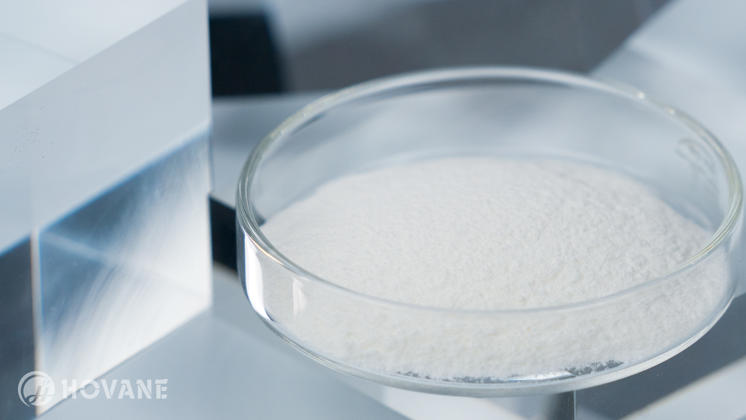
High-Purity Compounds
Single isolated phytochemicals (≥95% to ≥99% purity) manufactured via multi-stage column chromatography and crystallization for pharma, reference standards, and bio-tech research.
View High-Purity IsolatesFuture Procurement Trends in Phytochemical Manufacturing (2025–2030)
Global procurement teams in Europe, North America, and Asia-Pacific face evolving market pressures. Incorporating regulatory foresights into initial process development prevents costly re-engineering down the road. Key macro trends shaping botanical process development include:
1. Transition to Eco-Friendly "Green Solvents"
Regulatory bodies such as ECHA (REACH) are systematically restricting traditional chlorinated and toxic organic solvents (e.g., dichloromethane, chloroform, hexane). Phytochemical process development must prioritize eco-friendly alternatives including food-grade ethanol, Deep Eutectic Solvents (DES), subcritical water extraction, and supercritical CO2. IES Biotech builds green solvent recovery units directly into commercial process designs to reduce environmental impact and lower compliance costs.
2. Full Regulatory Compliance: EUDR, Heavy Metals & Pesticide Screenings
Global buyers can no longer accept generic quality statements. With regulations like the EU Deforestation Regulation (EUDR) taking effect alongside stringent European Pharmacopoeia (EP) and USP limits for heavy metals (Lead, Cadmium, Arsenic, Mercury), polycyclic aromatic hydrocarbons (PAH4), and ethylene oxide (EtO), process development must incorporate robust purification steps (e.g., liquid-liquid partition or targeted resin scrubbing) specifically designed to remove environmental contaminants without stripping target phytochemicals.
3. Demand for Defined Phytochemical Marker Ratios
Formulators are moving away from crude extract ratios (e.g., 10:1) toward full-spectrum or synergistically standardized extracts where multiple active markers are held within defined, narrow ratios. Process development at IES Biotech utilizes advanced chromatography fraction blending to guarantee batch-to-batch ratio uniformity regardless of harvest variation.
Why Partner with IES Biotech Co., Ltd. for Process Development?
Founded in 2003, IES Biotech Co., Ltd. brings over 20 years of continuous manufacturing experience to global B2B clients. Operating from Sichuan, China—a region renowned for its rich biodiversity and botanical raw material reserves—our technical team provides end-to-end support from preliminary laboratory proof-of-concept to industrial scale manufacturing.
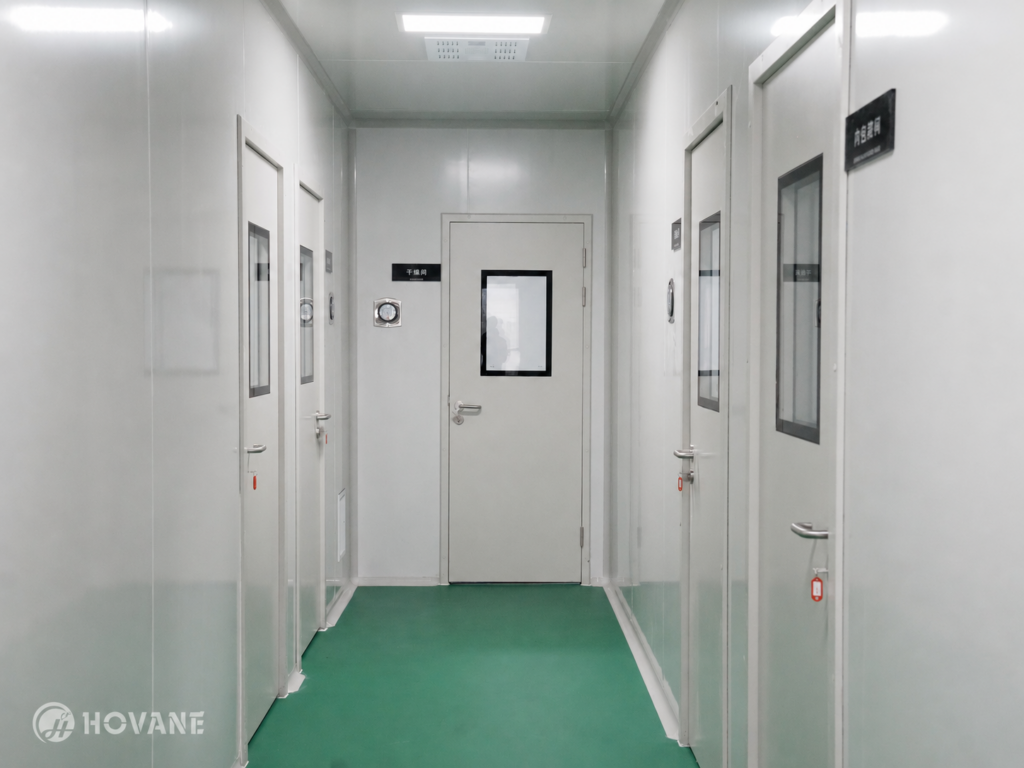
Figure 2: Class 100,000 cleanroom processing facility at IES Biotech Co., Ltd., ensuring GMP compliance for pharmaceutical and nutraceutical extracts.
Our Core Enterprise Capabilities:
- GMP-Compliant Production: Cleanroom environments certified to global standards for food, nutraceutical, and pharmaceutical-grade manufacturing.
- Complete Batch Documentation: Every order is delivered with full traceability, Batch Production Records (BPR), Certificate of Analysis (COA), Technical Data Sheet (TDS), and Safety Data Sheet (SDS).
- Third-Party Independent Verification: We regularly collaborate with international accredited testing laboratories (Eurofins, SGS) to validate analytical results for pesticides, residual solvents, heavy metals, and microbiological criteria.
- Global Supply Infrastructure: Exporting standardized extracts and custom isolates to over 60 countries across North America, Europe, Latin America, and Southeast Asia.