Executive Procurement Summary: As modern skin care shifts from marketing-driven natural claims to clinically backed, biologically active formulations, global buyers require precise analytical verification of plant extracts. Cosmeceutical plant extracts represent concentrated, chemically quantified botanical fractions containing active secondary metabolites—such as polyphenols, triterpenoid saponins, flavonoids, and alkaloid derivatives—that demonstrate targeted bio-activity on human skin cells. Unlike crude or unstandardized plant powders, standardized cosmeceutical extracts guarantee batch-to-batch consistency, reproducible bio-efficacy, and minimal impurity profiles required by international regulatory bodies including the EU Cosmetic Regulation (EC No. 1223/2009) and US MoCRA.
1. Phytochemical Standardization in Cosmeceutical Manufacturing: Moving Beyond Ratio Extracts
In the industrial production of personal care and topical dermatological products, raw botanical materials exhibit significant natural variability driven by geographic origin, harvesting seasons, weather conditions, and post-harvest drying methods. Procurement directors and R&D cosmetic chemists must navigate a critical technical distinction when evaluating supplier documentation: Standardized Quantitative Phytochemical Extracts vs. Traditional Plant Ratio Extracts (e.g., 10:1 or 20:1).
Ratio extracts merely indicate the dry weight proportion of starting raw botanical biomass relative to the final yield of total extract. They fail to disclose the actual concentration of active target molecules. Conversely, HPLC-standardized cosmeceutical plant extracts manufactured by IES Biotech Co., Ltd. undergo rigorous solvent fractionation, column chromatography purification, and High-Performance Liquid Chromatography (HPLC) assay testing to quantify specific biomarker compounds.
| Quality / Analytical Parameter |
Standardized Cosmeceutical Extract (IES Biotech) |
Traditional Ratio Plant Extract (Generic 10:1) |
| Biomarker Assay Method |
Validated HPLC-DAD, UV-Vis, or GC-MS quantitative assays |
Gravimetric or unverified weight ratio calculation |
| Batch-to-Batch Consistency |
Strict specification tolerance limits (e.g., Glabridin ≥40.0% ±0.5%) |
High variance in bioactive compound percentages (up to 300% variation) |
| Formulation Stability & Color |
Refined extract with undesirable chlorophylls, tannins, and waxes removed |
Contains dark pigments, gums, and heavy waxes causing emulsion instability |
| Safety & Impurity Profile |
Screened for heavy metals, pesticides, residual solvents, and PAHs |
Vulnerable to concentrated agricultural pesticide or heavy metal residues |
| Clinical Reproducibility |
Enables repeatable in-vitro and in-vivo skin efficacy study outcomes |
Unpredictable biological activity in finished formulation testing |
By enforcing standardized phytochemical assays, IES Biotech Co., Ltd. ensures that every kilogram of raw material integrated into your topical formulations yields reproducible cellular activity—whether modulating melanogenesis enzymes, suppressing pro-inflammatory cytokines (such as IL-6 and TNF-α), or scavenging intracellular Reactive Oxygen Species (ROS).
2. High-Purity Cosmeceutical Plant Extract Product Portfolio
Our Sichuan-based manufacturing facility specializes in the extraction, isolation, and crystallization of high-value phytochemical compounds tailored specifically for luxury skin care, dermo-cosmetics, and therapeutic topical applications. Below is a detailed breakdown of key standardized plant extracts available in commercial bulk quantities.
Centella Asiatica Extracts
TECA / Madecassoside 98% / Asiaticoside 90%
INCI Name: Madecassoside, Asiaticoside, Centella Asiatica Extract
CAS Number: 34540-22-2 / 16830-15-2
HPLC Standard: 10% to 98% Total Triterpenes
Key Skin Benefit: Collagen-I synthesis, extracellular matrix repair, barrier restoration.
Glabridin (Licorice Root)
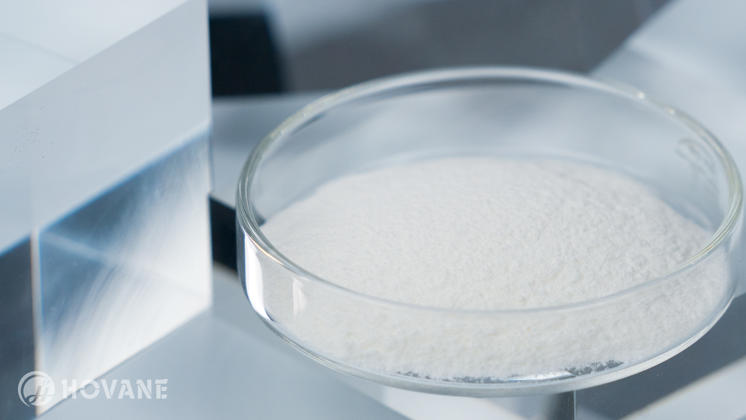
Standardized White Powder 40% & 90% HPLC
INCI Name: Glabridin / Glycyrrhiza Glabra (Licorice) Root Extract
CAS Number: 59870-68-7
HPLC Standard: 40%, 90%, 98% HPLC Assayed
Key Skin Benefit: Tyrosinase inhibition, potent skin brightening, anti-erythema.
EGCG & Green Tea Polyphenols
Epigallocatechin Gallate 98% / Water Soluble
INCI Name: Epigallocatechin Gallatyl Glucoside / Camellia Sinensis Extract
CAS Number: 989-51-5
HPLC Standard: 50% to 98% Polyphenols & EGCG
Key Skin Benefit: UV-induced photo-aging defense, sebum regulation, micro-vascular care.
Detailed Technical Specifications of Core Active Compounds
Formulators requiring rigorous analytical data for safety dossier preparation can reference the chemical classification and standardized parameters of IES Biotech's premium cosmeceutical isolates:
| Botanical Ingredient |
Active Constituent |
Standard Grade Assays |
Formulation Solubility |
Primary Cosmeceutical Function |
| Bakuchiol (Psoralea Corylifolia) |
Bakuchiol Monoterpene Phenol |
99% HPLC Monomer |
Oil-Soluble / Lipophilic |
Natural Retinol alternative, anti-wrinkle, collagen boosting without skin irritation. |
| Rosmarinus Officinalis |
Carnosic Acid & Rosmarinic Acid |
5% - 95% HPLC |
Oil-Soluble & Water-Soluble Grades |
Natural lipophilic lipid oxidation protection, anti-inflammatory, scalp care. |
| Polygonum Cuspidatum |
Trans-Resveratrol |
98% HPLC White Powder |
Alcohol / Glycol Soluble |
Sirtuin-1 activator, anti-glycation, radical clearance in anti-aging serums. |
| Sophora Japonica |
Quercetin & Rutin |
95% - 98% UV / HPLC |
Slightly soluble in water, ethanol soluble |
Flavonoid vascular protection, redness reduction, soothing sensitive skin. |
| Apple & Birch Bark |
Phloretin & Ursolic Acid |
98% HPLC |
Soluble in ethanol, DP cross-solvent |
Penetration enhancer, MMP-1 inhibitor, sebum control for acne-prone skin. |
3. Future B2B Procurement Trends in Cosmeceutical Actives (2025–2030)
The global demand for high-performance natural active ingredients is undergoing structural shifts. Procurement specialists and raw material buyers must align their supply chain strategies with evolving regulatory demands, clinical expectations, and sustainability mandates.
Trend 1: Elimination of Undefined Carrier Agents and Solvent Traces
Regulatory authorities in the European Union (SCCS) and China (NMPA) are dramatically increasing oversight regarding secondary ingredients in cosmetic raw materials. In past decades, liquid plant extracts frequently utilized propylene glycol or unspecified ethanol-water mixtures with undisclosed preservatives. Modern cosmetic brands require 100% transparent carrier systems (e.g., bio-based propanediol, organic glycerine) and pesticide-free dry powder extracts purified via supercritical CO2 extraction or resin column chromatographic isolation.
Trend 2: Rigorous Micro-Contaminant and PAH4 Compliance
Under strict international safety regulations, botanical extracts sourced for cosmeceutical manufacturing are scrutinized for Polycyclic Aromatic Hydrocarbons (PAH4: Benzo[a]pyrene, Benzo[a]anthracene, Benzo[b]fluoranthene, and Chrysene). Process engineering at IES Biotech Co., Ltd. incorporates low-temperature vacuum evaporation and specialized adsorbent resins to keep PAH4 levels well below European safety thresholds (Benzo[a]pyrene < 10 ppb), ensuring seamless global compliance for enterprise brand partners.
Trend 3: Upcycled & Sustainable Botanical Feedstock Traceability
Global beauty conglomerates are prioritizing corporate ESG metrics. Procurement models are moving toward wild-harvested or sustainably cultivated botanicals with verified supply chains. IES Biotech leverages native plant resources in Sichuan, China—ensuring full batch-level traceability from sustainable agricultural bases directly to raw extract crystallization facilities.
4. Industry & Technological Development Trends in Plant Extraction
The field of phytochemistry is advancing rapidly, driven by cross-disciplinary innovation in biotechnology, pharmacology, and chemical engineering. Future formulation strategies rely heavily on technological breakthroughs at the raw material extraction stage:
Enzymatic Biotransformation & Fermentation
Traditional extraction relies on solvent extraction to pull existing compounds from plant tissue. Advanced biotransformation uses specialized enzymes or microbial fermentation to convert bulky glycosides into small-molecule aglycones (e.g., converting Ginsenosides or Baicalin into aglycone forms), enhancing bio-availability and epidermal absorption kinetics.
Green Extraction Technologies
Subcritical water extraction (SWE) and Supercritical Fluid Carbon Dioxide (SF-CO2) technology allow the isolation of delicate lipophilic actives without chemical solvent residues. This green chemical architecture eliminates flammable organic solvents while preserving heat-sensitive terpene and phenolic structures.
Nano-Emulsification & Liposomal Encapsulation
High-purity botanical powders often suffer from limited water solubility or oxidation sensitivity. Advanced extraction suppliers partner with delivery experts to create liposomal suspensions or phytosome complexes, shielding active molecules like Curcumin, Resveratrol, or Epigallocatechin Gallate from enzymatic degradation during topical application.
Microbiome-Friendly & Prebiotic Actives
Modern skin biology emphasizes preserving the natural cutaneous microbiome. Future cosmeceutical extracts are screened in-vitro to ensure they selectively inhibit pathogen proliferation (such as Cutibacterium acnes) without disturbing beneficial skin commensal flora like Staphylococcus epidermidis.
Need Custom Assay Specifications or OEM Phytochemical Extracts?
IES Biotech Co., Ltd. provides customized extraction ratios, active compound standardization, customized particle sizes, and pre-solubilized liquid concentrates tailored for high-performance topical formulations.
Inquire Now
5. Global Buyer FAQ: Sourcing Cosmeceutical Plant Extracts
Below are critical technical and commercial questions frequently asked by enterprise procurement managers, regulatory compliance directors, and cosmetic chemists when evaluating botanical extract suppliers:
Q1: How does IES Biotech ensure batch-to-batch HPLC standardization for volatile active compounds?
At IES Biotech Co., Ltd., every production batch undergoes standardized quality control starting from raw plant mass inspection. We utilize High-Performance Liquid Chromatography with Diode-Array Detection (HPLC-DAD) and Gas Chromatography-Mass Spectrometry (GC-MS) to analyze exact phytochemical fingerprints. By blending verified botanical lots and utilizing precision resin purification systems, we ensure the active biomarker percentage (e.g., Madecassoside 98% or Glabridin 40%) strictly matches agreed Certificate of Analysis (COA) specifications within narrow statistical tolerances.
Q2: What regulatory documentation is included with international wholesale shipments?
Each commercial order is accompanied by a full technical package required for international cosmetic safety assessments (such as the EU CPSR):
- Batch-specific Certificate of Analysis (COA)
- Technical Data Sheet (TDS) & Product Specification
- Safety Data Sheet (SDS / MSDS) compliant with GHS standards
- INCI Name & CAS Number Verification Statement
- Microbial Limits Test Report (USP <61/62> / EP standards)
- Heavy Metal Analysis Report (Lead, Arsenic, Cadmium, Mercury via ICP-MS)
- Residual Solvents Statement (USP <467> / ICH guidelines)
- Allergen Declaration & Non-GMO / BSE-TSE Free Certificates
Q3: What are the primary differences between water-soluble and oil-soluble plant extracts in formulation performance?
The chemical structure of the active secondary metabolite dictates solubility. Hydrophilic actives (such as Ascorbic Acid derivatives, Tannins, or Glycosides like Asiaticoside) dissolve easily in aqueous phase systems, glycerine, or glycols, making them ideal for hydrating serums, toners, and gels. Lipophilic actives (such as Bakuchiol, Carnosic Acid, Ursolic Acid, or Phytosterols) require oil-phase integration, ester solvents, or surfactant solubilization. Choosing the correct chemical polarity is crucial for maintaining emulsion stability and optimizing transdermal active penetration.
Q4: How does your facility prevent pesticide residues and heavy metal contamination in raw extracts?
IES Biotech enforces a strict raw material sourcing protocol. We source botanicals directly from audited agricultural bases with known soil chemistry. Upon arrival at our Sichuan facility, raw plant biomass undergoes GC-MS/MS and LC-MS/MS multi-residue pesticide screening covering over 400 agrochemical compounds (conforming to European Pharmacopoeia EP 2.8.13 limits). Any biomass exceeding pesticide or heavy metal limits is immediately rejected prior to extraction.
Q5: Can IES Biotech manufacture custom liquid extracts or OEM botanical liquid concentrates?
Yes. In addition to high-purity dry powder extracts, we manufacture standardized liquid botanical extracts using specified solvent systems (e.g., Bio-Propanediol, Butylene Glycol, Glycerine-Water blends). Custom liquid concentrates allow cosmetic formulators to bypass powder dissolving steps in commercial production, ensuring clear, stable solutions that can be added directly during emulsion cooling phases.
Q6: What is the typical Minimum Order Quantity (MOQ) and lead time for enterprise B2B orders?
Standard catalog items (such as Glabridin 40%, Centella Asiatica TECA, Resveratrol 98%) are maintained in inventory with flexible sample MOQs starting at 1kg to support formula scale-up testing. Commercial bulk orders (25kg drum packaging up to multi-ton consignments) carry typical manufacturing lead times of 10 to 15 business days depending on custom specification requests. International air or sea freight is coordinated with full customs documentation support.
6. Enterprise Advantages: Why Partner with IES Biotech Co., Ltd.
Selecting a reliable botanical extract manufacturer is a fundamental strategic decision for global cosmetics brands and contract manufacturers. Located in Sichuan, China—a region renowned for rich, pristine biodiversity and native medicinal plant resources—IES Biotech Co., Ltd. combines geographic advantages with advanced manufacturing infrastructure.
State-of-the-Art Infrastructure
GMP-Compliant Manufacturing & Cleanroom Isolation
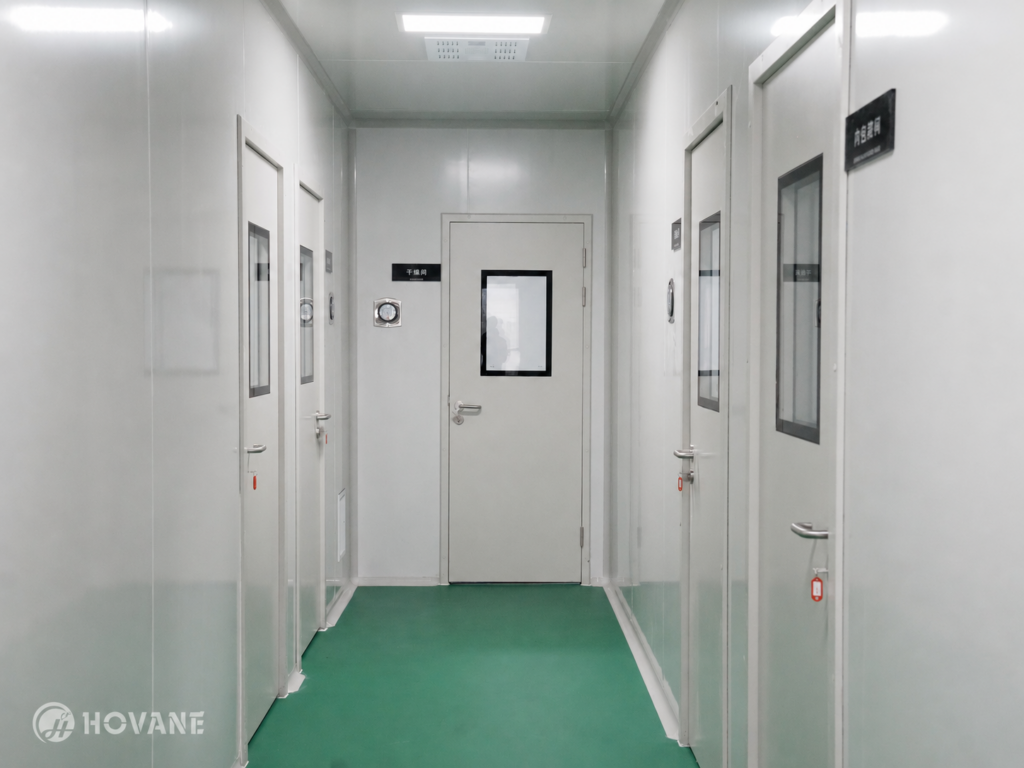
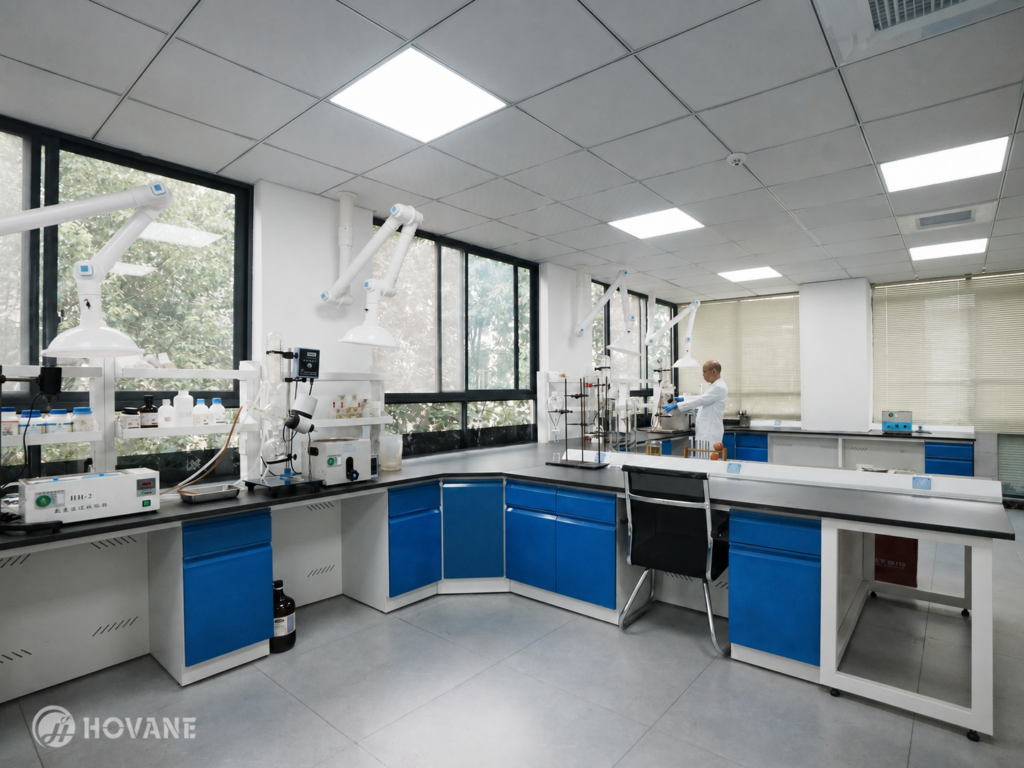
Our extraction facilities operate under strict Good Manufacturing Practices (GMP). Our modern production facility features multi-stage stainless steel extraction tanks, high-efficiency falling-film evaporators, continuous resin separation columns, and Class 100,000 cleanrooms for drying, milling, and packaging sensitive phytochemical powders.
- Automated closed-loop extraction systems preventing atmospheric contamination
- HACCP & ISO 22000 quality management architecture
- Annual production capacity exceeding 2,000 metric tons of botanical extracts
- Batch isolation protocols ensuring non-cross-contamination
Analytical Precision
In-House R&D Center & Advanced Testing Instrumentation
Quality assurance is embedded at every processing milestone. Our R&D center is equipped with high-precision analytical instruments operated by experienced senior phytochemists and analytical scientists. We perform in-house quantitative assay validation, stability testing, and structural elucidation of botanical active molecules.
- High-Performance Liquid Chromatography (HPLC-DAD, HPLC-ELSD)
- Gas Chromatography-Mass Spectrometry (GC-MS)
- Inductively Coupled Plasma Mass Spectrometry (ICP-MS) for ultra-trace metal detection
- UV-Vis Spectrophotometry and Karl Fischer Titration systems
With over two decades of dedicated phytochemistry expertise, IES Biotech Co., Ltd. serves clients across more than 60 countries, partnering with leading cosmeceutical brands, pharmaceutical formulators, and personal care contract manufacturers. We provide the analytical rigor, supply security, and regulatory documentation required to power your next generation of active skin care innovations.
Request Custom Quotations & Technical Samples Today
Connect directly with our technical sales engineers to discuss your product specifications, request full COA analytical packages, or obtain working samples for formulation R&D.
Inquire Now