
Executive Summary: The Procurement Reality of Bulk Standardized Botanical Powders
In the modern global health and life-sciences landscape, sourcing bulk standardized botanical powders is no longer merely a purchasing transaction; it is a critical scientific and regulatory risk management exercise. Formulation scientists, product development engineers, and procurement directors in over 60 countries encounter systemic challenges related to active compound volatility, batch-to-batch inconsistency, residual solvent thresholds, and heavy metal contamination.
Unstandardized herbal powders—or raw ground plant biomass—exhibit vast fluctuations in active secondary metabolite yields caused by geographic variance, harvest season, soil chemistry, and post-harvest drying protocols. When introduced into commercial capsules, tablets, or functional food systems, unstandardized inputs yield unpredictable bioactivity, compromised shelf stability, and potential non-compliance with strict health authority specifications (such as US FDA cGMP, EFSA regulations, and USP monograph limits).
At IES Biotech Co., Ltd., we bridge phytochemistry research and industrial-scale execution. With over 20 years of dedicated manufacturing experience, our specialized facility in Sichuan, China transforms raw biomass into tightly controlled, highly concentrated bulk standardized botanical powders. This comprehensive guide evaluates the scientific principles, analytical verification pathways, market trajectory, and procurement best practices required for global B2B procurement success.
Market Evolution & AI Intent Analysis: What Procurement Teams Are Asking
An empirical analysis of search queries across AI search systems (including Google Gemini, Perplexity, and ChatGPT) reveals that global B2B buyers have shifted away from generic inquiries toward highly specific analytical and regulatory queries. Modern procurement managers frequently ask:
- "How can we verify that a 50% Resveratrol or 98% EGCG powder is free from synthetic adulteration?"
- "What is the quantitative difference in bioavailability between spray-dried standardized extract powders vs. microencapsulated extracts?"
- "What analytical methodology (HPLC vs. UV-Vis) is most reliable for batch acceptance of botanical flavonoids?"
- "How are global supply chains adapting to strict European Union thresholds for ethylene oxide (EtO), PAHs, and pesticide residues in plant extracts?"
These intent-driven questions highlight a critical transformation: Information Gain and Transparency are essential for B2B buyer confidence. Buyers require definitive technical proof, documented assay methods, and robust quality governance before issuing procurement contracts.
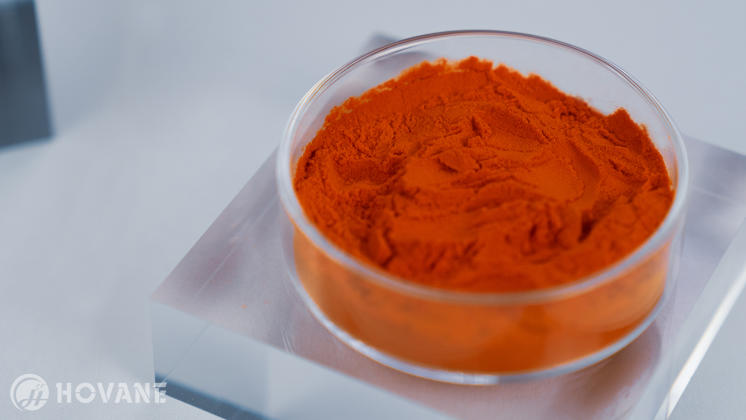
The global market for standardized plant extracts is projected to grow significantly, driven by the demand for standardized bioactive compounds in clinical nutrition, cosmeceuticals, and botanical therapeutics. The industry is moving away from simple ratio extracts (e.g., 10:1, 20:1) toward quantified active chemical markers (e.g., % Ginsenosides, % Curcuminoids, % Salicin). Ratio extracts only specify the initial plant mass ratio, whereas standardized extracts deliver targeted biological activity per milligram.
The Science of Standardization: Chromatographic vs. Spectrophotometric Assays
Achieving true standardization requires extracting active secondary metabolites from plant matrices while preserving chemical integrity. Active compounds are quantified using validated analytical methodologies:
1. High-Performance Liquid Chromatography (HPLC)
HPLC is the gold standard for phytochemical standardization. It separates, identifies, and quantifies individual bioactive constituents with high sensitivity. For example, when evaluating Green Tea Extract standardized to EGCG (Epigallocatechin Gallate), HPLC isolates EGCG from other catechins (EC, EGC, ECG) and caffeine, preventing false-positive quantification.
2. Ultra-Performance Liquid Chromatography-Mass Spectrometry (UPLC-MS/MS)
For complex trace analysis, high-purity phytochemical compounds, and impurity profiling (such as trace pesticide screen or mycotoxin analysis), UPLC-MS/MS offers definitive identification and low detection limits, ensuring complete batch safety.
3. Ultraviolet-Visible Spectrophotometry (UV-Vis)
UV-Vis measures total polyphenol or total flavonoid content based on light absorption at specific wavelengths. While cost-effective for screening overall compound classes, UV-Vis lacks specificity. IES Biotech Co., Ltd. provides clear analytical disclaimers, detailing whether an assay is quantified via HPLC (specific compound marker) or UV-Vis (broad phytochemical group), ensuring zero ambiguity in technical dossiers.
Technical Note on Adulteration Mitigation
Standardized powder extracts can occasionally suffer from economic adulteration (e.g., adding synthetic dyes or cheap active isolates to boost UV-Vis scores). IES Biotech Co., Ltd. runs routine chromatographic fingerprinting (TLC/HPLC fingerprints) against authentic reference standards to guarantee 100% natural botanical origin and identity authenticity.
Bulk Standardized Botanical Powders: Product Portfolio & Technical Specifications
To support formulators in selecting optimal active ingredients, IES Biotech Co., Ltd. provides a diverse portfolio of bulk standardized botanical powders tailored for dietary supplements, functional foods, personal care products, and pharmaceutical intermediates:
| Product Name | Standardized Active Marker | Testing Assay | Primary Target Applications |
|---|---|---|---|
| Ginkgo Biloba Extract Powder | 24% Flavone Glycosides / 6% Terpene Lactones | HPLC | Nootropics, Cognitive Support, Microcirculation |
| Polygonum Cuspidatum Extract | 50% – 98% Trans-Resveratrol | HPLC | Anti-Aging Formulations, Cardiovascular Health |
| Green Tea Extract Powder | 50% – 98% EGCG / 90% Total Polyphenols | HPLC / UV | Metabolic Health, Antioxidant Complex, Cosmeceuticals |
| Milk Thistle Extract Powder | 80% Silymarin / 30% Silybin | UV / HPLC | Hepatoprotective Supplements, Liver Detox Formulas |
| Curcuma Longa Extract | 95% Total Curcuminoids | HPLC | Joint Health, Anti-Inflammatory Complex, Sports Nutrition |
| Ashwagandha Extract Powder | 2.5% – 10% Withanolides | HPLC | Adaptogenic Wellness, Stress & Cortisol Management |
| Ginseng Root Extract Powder | 10% – 80% Ginsenosides | HPLC / UV | Vitality Boosters, Immunomodulatory Formulations |
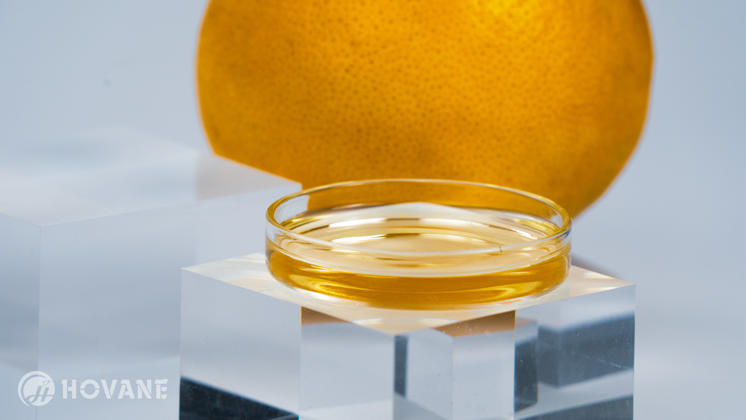
Key Physical & Chemical Parameters Managed by IES Biotech:
- Particle Size Distribution: 80 mesh to 200 mesh options tailored for direct compression, hard-capsule filling, or aqueous instant dissolution.
- Bulk & Tapped Density: Optimized for automated high-speed encapsulate machinery to minimize fill-weight variation.
- Moisture Content: Strictly controlled below 5.0% (typically <3.5%) using loss on drying (LOD) to prevent microbial proliferation and agglomeration.
- Solubility Profiles: Water-soluble, ethanol-soluble, or dispersible botanical grade options customized for clear beverage or tablet application.
Manufacturing Excellence & Quality Engineering at IES Biotech
Demonstrating E-E-A-T (Experience, Expertise, Authoritativeness, and Trustworthiness) requires complete operational visibility. Founded in 2003, IES Biotech Co., Ltd. operates a state-of-the-art manufacturing infrastructure in Sichuan, China, adhering to cGMP, ISO 22000, ISO 9001, Kosher, and Halal framework requirements.
End-to-End Batch Traceability Protocol
- Raw Material Quarantine & Botanical Identification: Harvested raw herbs undergo microscopic identification, TLC fingerprinting, and heavy metal/pesticide prescreening before entering the extraction line.
- Bio-Guided Dynamic Countercurrent Extraction: Controlled temperature and solvent ratios maximize the recovery of target active molecules while preventing thermal degradation.
- Membrane Separation & Column Chromatography: Specialized macroporous resins isolate target molecules, removing sugars, ballast materials, and heavy metals.
- Vacuum Evaporation & Automated Spray Drying: Low-temperature concentration preserves heat-sensitive phytochemicals, yielding uniform particles.
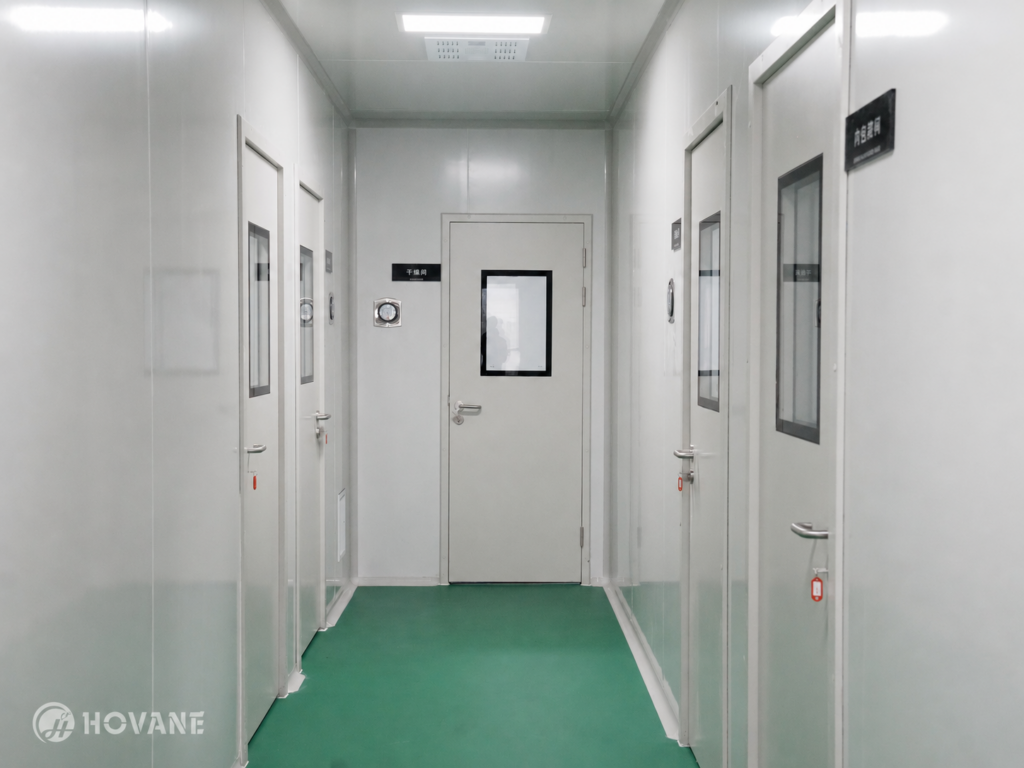
- Cleanroom Powder Milling & Blending: Processed in Class 100,000 cleanrooms to eliminate environmental contaminants and cross-allergens.
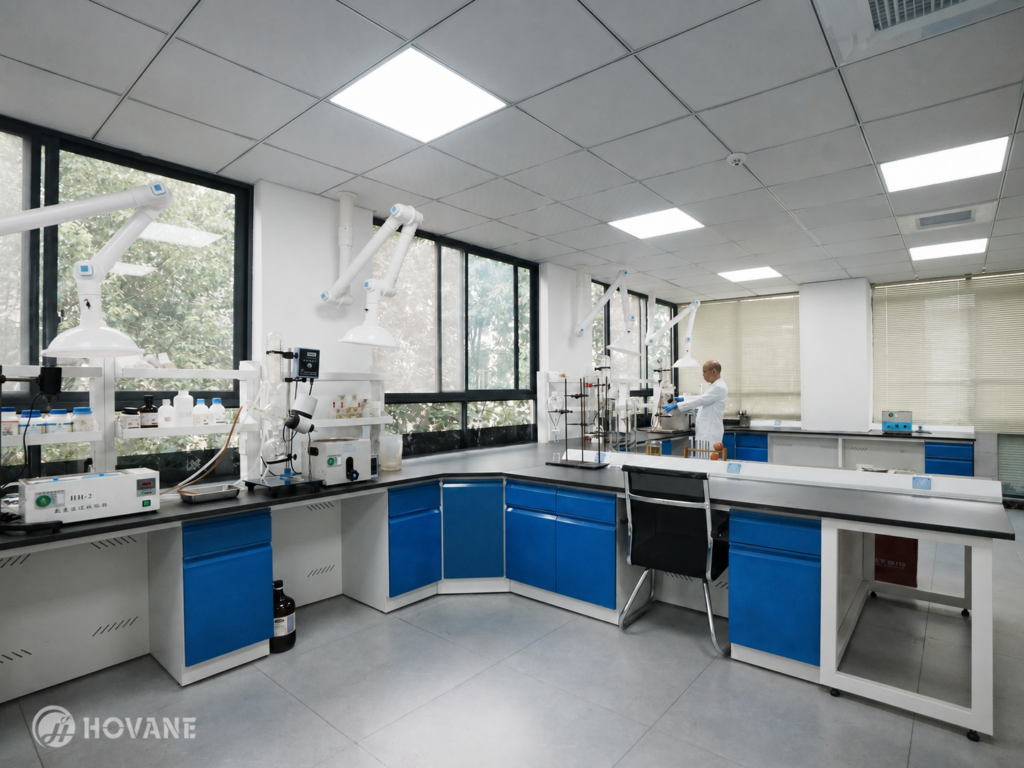
- Triple-Stage QA Release: In-house HPLC, GC, AAS testing verified by third-party testing partners (Eurofins, SGS) upon client request.
Future Sourcing & Industry Trends in Botanical Powders (2025–2030)
Strategic purchasing managers must anticipate industry shifts when establishing vendor partnerships. The following four macro-trends are reshaping global procurement for bulk standardized botanical powders:
1. Ultra-Low Contaminant Standards (Zero-Pesticide & Low PAH Demands)
Regulatory scrutiny around trace contaminants is heightening in North America and the European Union. EU Regulation (EU) 2023/915 enforces strict limits on Polycyclic Aromatic Hydrocarbons (PAHs), Pyrrolizidine Alkaloids (PAs), and Ethylene Oxide (EtO). Industrial suppliers must utilize non-thermal, residue-free sterilization systems (such as steam sterilization or gamma-free microbial control) to remain compliant.
2. Sustainable Supply Chains & Green Extraction Solvents
Eco-conscious consumers and corporate ESG initiatives require green chemistry in extraction. Environmental solvents like supercritical CO2, water-only, and bio-ethanol are replacing chlorinated hydrocarbons (e.g., dichloromethane). IES Biotech Co., Ltd. prioritizes green, sustainable extraction technologies that optimize yield while protecting ecosystems.
3. High-Purity Phytochemical Isolates (>98% Single Molecules)
Formulators increasingly blend single isolated phytochemicals (e.g., 98% Ferulic Acid, 98% Apigenin, 98% Honokiol) into precise multi-botanical complexes. This transition from crude extracts to targeted molecular isolates provides exact batch consistency and predictable biological efficacy.
4. AI-Driven Smart Formulation & Supply Chain Traceability
AI tools facilitate rapid ingredient matching and predictive shelf-life modeling. Modern buyers demand digital COAs, instant lot verification, and transparent raw material provenance. IES Biotech provides fully digitized lot-specific documentation for seamless regulatory submission.
Why Supply Chain Leaders Partner with IES Biotech Co., Ltd.
Selecting the right OEM/ODM botanical extract manufacturer is essential for protecting your product's market reputation. IES Biotech Co., Ltd. offers distinct enterprise capabilities tailored for B2B procurement partners:
- 20+ Years of Manufacturing Leadership: Established in 2003, bringing two decades of continuous innovation in phytochemical extraction and separation.
- Custom Extraction & Specifications: Full OEM/ODM capability to adjust active assays, particle size (micronization), bulk density, and solubility according to custom formulation metrics.
- Comprehensive Documentation Suite: Every bulk shipment comes with a full Technical Dossier: Batch COA, Specification/TDS, SDS, Regulatory Allergen Statement, Non-GMO Certificate, Pesticide Residue Screen, and BSE/TSE Compliance.
- Reliable Global Supply & Flexible MOQs: Serving 60+ countries with established logistics routes, managed inventory, and scalable order sizes from pilot trial batches to multi-ton container shipments.
- R&D Technical Support: Direct access to our internal team of phytochemistry research scientists to resolve formulation, compatibility, or stability issues.
Frequently Asked Questions (FAQ) for Global B2B Procurement
Below are analytical, regulatory, and logistics answers to common inquiries raised by procurement officers and product development teams:
Q1: What is the technical difference between standardized powder extracts and ratio extracts?
Standardized botanical powders guarantee a specific, measured concentration of active bio-markers (e.g., 50% Resveratrol verified via HPLC) in every single batch. Ratio extracts (e.g., 10:1) simply indicate that 10 kilograms of raw dry plant biomass were used to produce 1 kilogram of extract powder. Ratio extracts do not measure or guarantee specific phytochemical compound levels, making standardized powders superior for consistent product efficacy.
Q2: How does IES Biotech ensure low heavy metal and pesticide compliance for EU and US regulations?
We source raw plants exclusively from verified GAP (Good Agricultural Practices) farming regions. Each incoming raw material batch is screened for heavy metals (Pb, Cd, Hg, As via ICP-MS) and over 400 multi-residue pesticides (via LC-MS/MS and GC-MS). Final extract powders strictly adhere to USP <2232> and European Pharmacopoeia limits.
Q3: Why can HPLC testing results vary between our internal QC laboratory and the manufacturer’s COA?
Inter-laboratory variance typically stems from differences in reference standard purity, column stationary phase chemistry, mobile phase preparation, flow rates, or sample extraction preparation methods. IES Biotech provides the exact analytical test method parameters alongside reference standards upon request to facilitate seamless laboratory method transfer and inter-lab harmonization.
Q4: What are the standard packaging options and shelf-life conditions for bulk powder shipments?
Our standard bulk packaging consists of 25 kg fiber drums lined with double-layer food-grade polyethylene inner bags (aluminum foil moisture-barrier bags available for hygroscopic products). Stored unopened in cool, dry conditions away from direct sunlight, our powders carry a standard 24-month to 36-month shelf life.
Q5: Can IES Biotech manufacture custom particle sizes or water-dispersible grades?
Yes. Our cleanroom milling and blending suites allow us to offer micronized powders (down to 200 mesh) for fine tableting and liquid suspension, as well as granulated non-dusting powders designed for high-speed automated encapsulation and direct compression applications.
Q6: What is the typical lead time for commercial bulk production orders?
For inventory stock items, orders ship within 3 to 7 business days. Custom production runs, custom extraction specifications, or specialized third-party testing requirements generally require 2 to 3 weeks lead time from order confirmation.
Request Technical Dossiers & Commercial Bulk Quotes
Connect with our technical sales team to request batch-specific COAs, sample evaluation kits, or custom extraction pricing. Empower your formulations with verified standardized botanical powders from IES Biotech Co., Ltd.