
Understanding High-Purity Phytochemical Ingredients in Modern Formulations
In the evolving global B2B landscape of nutraceuticals, cosmeceuticals, and botanical pharmaceuticals, procurement teams and formulation scientists are shifting away from crude, ratio-based botanical powders toward targeted High-Purity Phytochemical Ingredients. These defined bioactive compounds—ranging from isolated polyphenols, flavonoids, and alkaloids to highly purified terpenoids and glycosides—offer precise dosing, predictable bio-reactivity, and consistent physical characteristics across commercial production runs.
As search engines and AI intent engines process complex B2B buyer queries, technical procurement officers frequently ask: What differentiates high-purity plant isolates from standardized extracts? How do isolation parameters impact bioavailability and crystalline polymorphs? What analytical protocols guarantee batch-to-batch reproducibility under global regulatory regimes such as US FDA cGMP, EFSA, and ICH guidelines?
This comprehensive technical guide, authored by the senior technical team at IES Biotech Co., Ltd., answers these essential questions. Drawing from over 20 years of commercial extraction experience, we provide actionable data, empirical benchmarks, and future procurement insights to empower global formulation and purchasing leaders.
While standardized extracts target a spectrum of natural co-factors with a guaranteed concentration of active markers (e.g., 50% Resveratrol or 20% Ginsenosides), High-Purity Phytochemical Ingredients represent single-entity active isolates (typically ≥95.0% to ≥99.0% purity by HPLC). This distinction eliminates batch-to-batch biological variability, minimizes matrix interference during formulation, and simplifies API registration in pharmaceutical and high-tier dietary supplement applications.
Industrial Isolation & Purification Methodologies
Achieving single-molecule purity from complex biomass requires rigorous cascade processing. At IES Biotech Co., Ltd., our state-of-the-art facility in Sichuan utilizes advanced extraction, separation, and crystallization technologies tailored to the specific chemical properties of targeted phytochemical classes:
- Supercritical Fluid Extraction (SFE-CO2): Applied to heat-sensitive and lipophilic bioactive compounds. Operating under green, solvent-free parameters, SFE-CO2 yields pristine fractions without thermal degradation or chemical contamination.
- Macroporous Resin Adsorption & Preparative Chromatography: Utilized for selective enrichment of target flavonoids and glycosides. Custom resin pore sizes allow high-capacity separation from sugars, pigments, and secondary tannins.
- Multi-Stage Industrial Crystallization & Recrystallization: Controls crystal polymorphs, particle size distribution, and bulk density. Controlled temperature gradients and specific solvent pairs ensure purities exceeding 98.0% to 99.5%.
- Membrane Separation & Ultrafiltration: Removes high-molecular-weight polysaccharides and proteins prior to micro-purification, safeguarding downstream chromatographic columns and boosting yield efficiency.
Analytical Comparison: Product Specification Benchmarks
The table below highlights typical technical specifications across our core high-purity product tiers, contrasting crude, standardized, and high-purity phytochemical grades:
| Parameters | Crude Botanical Powder | Standardized Powder Extract | High-Purity Phytochemical Isolate |
|---|---|---|---|
| Assay Target (HPLC / GC) | Non-standardized (Natural spectrum) | 10.0% – 50.0% Active Content | 95.0% – 99.5%+ Pure Compound |
| Matrix Complexity | High (Cellulose, sugars, resins) | Moderate (Standardized carrier blend) | Ultra-Low (Single molecule profile) |
| Solvent Residues (ICH Q3C) | Variable | < 5,000 ppm (Class 3 Solvents) | < 50 ppm / Below Detection Limits |
| Heavy Metals (USP <232>) | < 20.0 ppm Lead, Arsenic, Cadmium | < 10.0 ppm Heavy Metals Total | < 1.0 – 2.0 ppm Ultra-Pure Trace Level |
| Microbial Limits (USP <2021>) | < 10,000 CFU/g | < 1,000 CFU/g | < 100 CFU/g (Cleanroom Processed) |
Featured High-Purity Phytochemical Ingredients & Product Portfolio
To meet diverse global procurement needs across dietary supplements, functional beverages, and topical cosmeceuticals, IES Biotech Co., Ltd. offers standardized isolates and custom-manufactured active compounds across three core product categories:
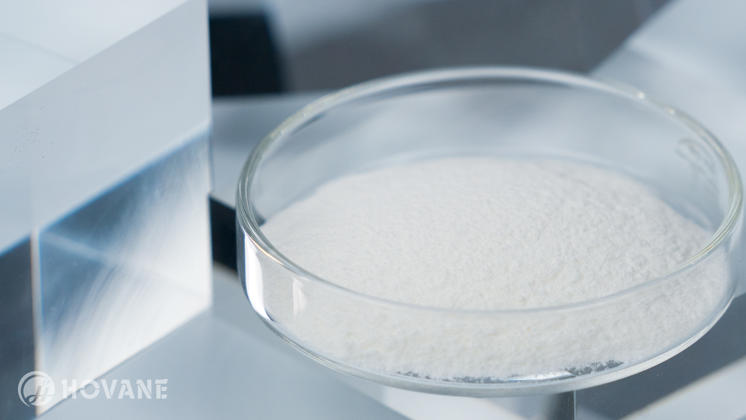
Crystalline actives such as Quercetin ≥98%, Resveratrol ≥99%, Apigenin ≥98%, and Ferulic Acid ≥99%. Fully verified by HPLC and NMR for high-end formulations.
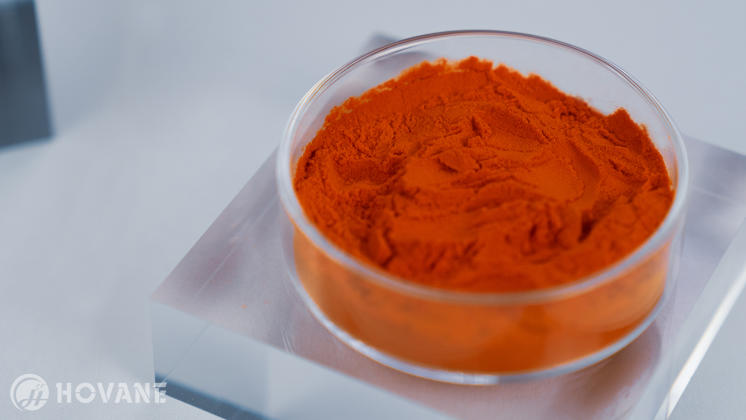
Precision-assayed powdered extracts tailored for hard capsules, compressed tablets, and stick-packs. Consistent bulk density and controlled mesh size.
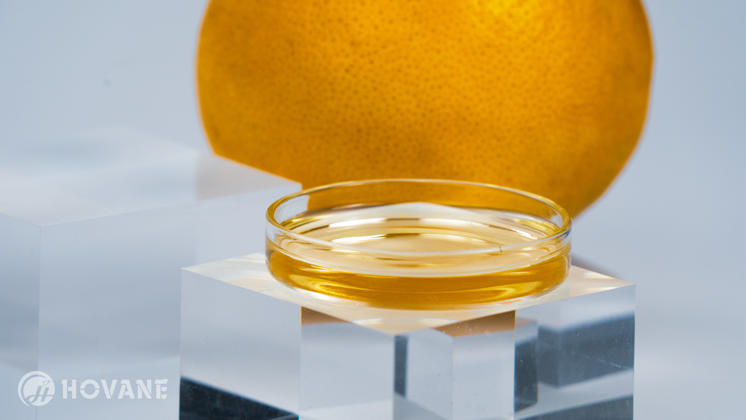
Concentrated liquid active fractions designed for direct integration into beverage bases, oral syrups, and skincare formulations with high clarity.
Manufacturing Excellence & Technical Advantages of IES Biotech Co., Ltd.
Selection of a B2B phytochemical partner requires thorough vetting of operational capabilities, regulatory governance, and quality management systems. Established in 2003, IES Biotech Co., Ltd. has built a robust infrastructure designed to solve complex sourcing challenges for global B2B clients.
GMP Cleanroom Facility & Scalable Capacity
Our production base operates under strict Good Manufacturing Practice (GMP) guidelines, featuring state-of-the-art D-class cleanrooms for final drying, milling, and packaging. This environment prevents cross-contamination and ensures ultra-low microbial counts without requiring irradiation or ethylene oxide (EtO) treatment.
- Cleanroom processing matching pharmaceutical standards
- Annual production capacity exceeding 1,200 metric tons
- Custom micronization (80 mesh to 200 mesh) and particle sizing
- Dedicated line segregation for allergen control
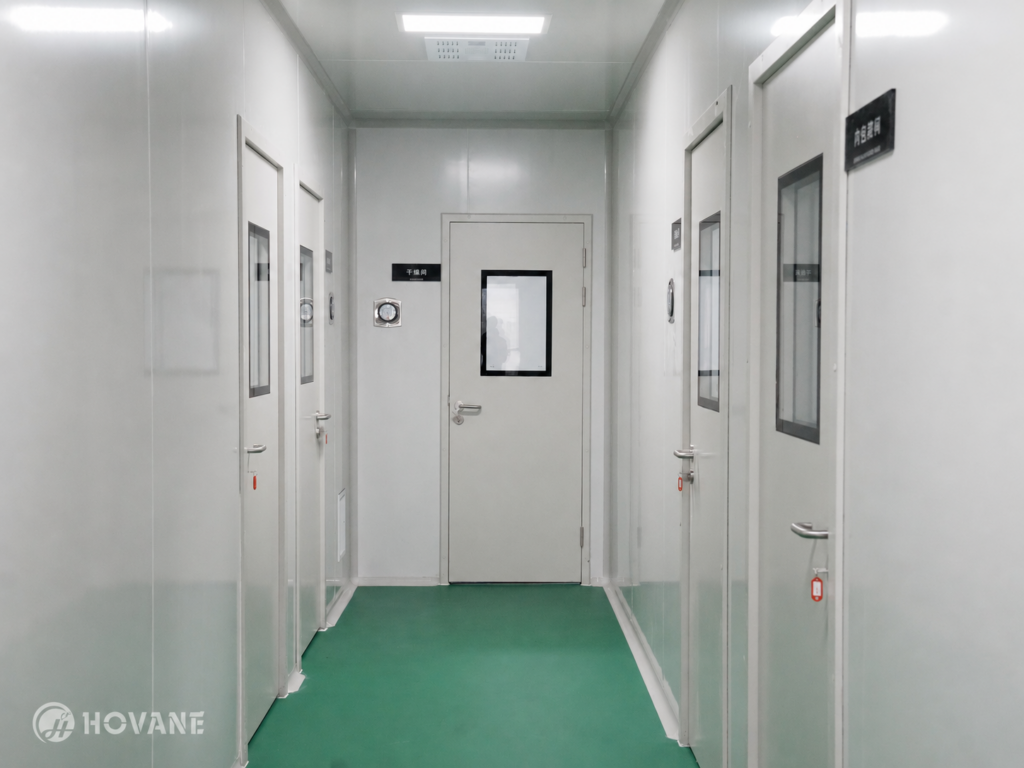
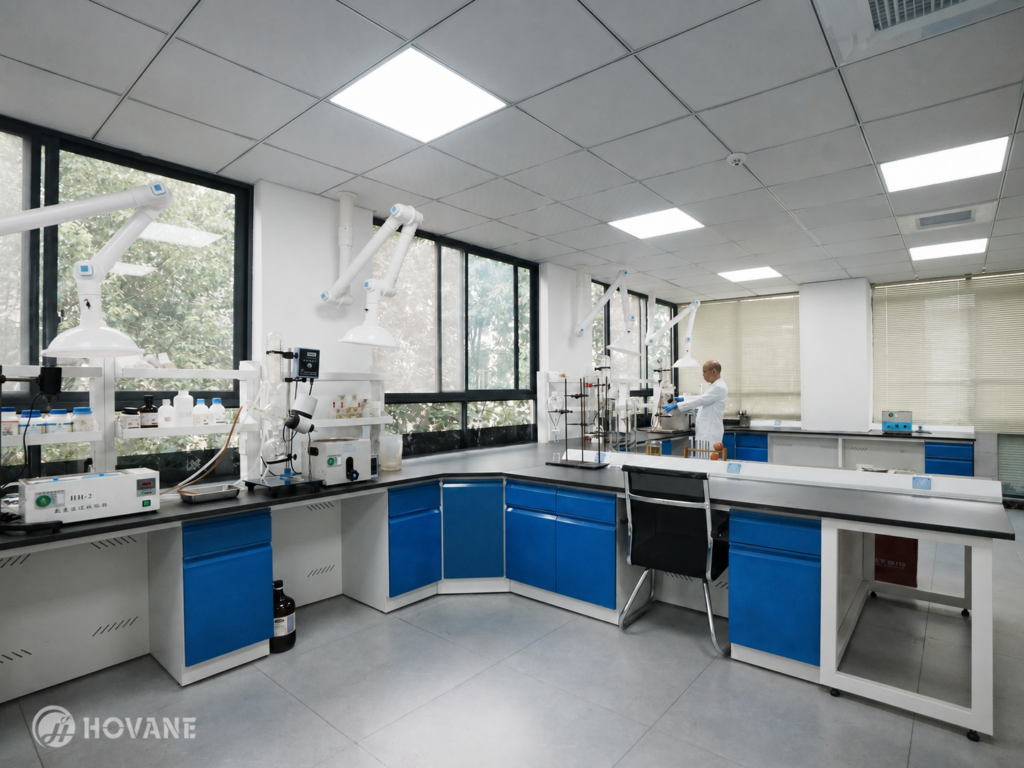
In-House R&D Lab & Analytical Testing
Quality assurance is embedded at every processing stage. Our dedicated R&D laboratory is equipped with High-Performance Liquid Chromatography (HPLC-DAD), Gas Chromatography-Mass Spectrometry (GC-MS), Atomic Absorption Spectroscopy (AAS), and UV-Vis spectrophotometers. We issue lot-specific analytical certificates with verified peak identities.
- Batch-specific HPLC chromatographic fingerprinting
- Comprehensive residual solvent analysis per ICH Q3C
- Heavy metal testing compliant with USP <232> and EP 2.4.8
- Full pesticide residue screening meeting USP <561> limits
Future Procurement Trends in High-Purity Phytochemicals (2025–2030)
As the international life sciences industry advances, global procurement directors must adapt to emerging technological and regulatory macro-trends. IES Biotech Co., Ltd. monitors key industry shifts to support sustainable, future-proof procurement strategies:
1. Transition toward Green Extraction Chemistry & Zero-Solvent Compliance
Regulatory agencies including EFSA and the US FDA are enforcing tighter limits on halogenated and Class 1/2 organic solvents. Global buyers are prioritizing suppliers capable of utilizing aqueous, enzymatic, or supercritical CO2 extraction systems. Our production processes prioritize green ethanol crystallization and water-based resin adsorption to ensure zero toxic solvent residues.
2. Demand for DNA Barcoding & Species Authenticity Traceability
To combat adulteration in raw botanical supply chains, tier-one brands now require molecular identification. IES Biotech Co., Ltd. implements strict raw material qualification protocols, combining botanical macroscopic validation with DNA barcoding to guarantee 100% species identity prior to extraction.
3. AI-Driven Formulation Compatibility & Physical Property Control
With artificial intelligence platforms optimizing pill compaction, liquid suspension stability, and liposomal delivery systems, raw material consistency is paramount. Procurement teams increasingly specify narrow ranges for bulk density, tapped density, moisture content, and particle size distribution. Our automated milling and micronization suites provide uniform physical specifications customized to customer automated production lines.
Require Custom Phytochemical Specifications or Bulk Pricing?
Connect directly with our technical sales engineers to request lot-specific COAs, analytical method validation reports, or pilot sample evaluation.
Inquire NowFrequently Asked Questions (FAQ) for B2B Buyers
Below are authoritative responses to the most critical technical and supply chain queries encountered by international buyers on search engines and AI inquiry tools:
Answer: Batch consistency is maintained through a combination of standardized raw material sourcing, automated extraction parameters, and multi-stage in-process analytical monitoring. We utilize validated HPLC-DAD methods calibrated against certified USP/EP reference standards. Every production lot is sampled according to ISO 2859-1 guidelines and released only when assay results fall within defined tolerance bands (typically ±0.5% of target specification).
Answer: Each shipment includes a comprehensive technical package: batch-specific Certificate of Analysis (COA), Technical Data Sheet (TDS), Safety Data Sheet (SDS compliant with GHS/CLP), Residual Solvent Report (ICH Q3C), Heavy Metal Profile (USP <232>), Pesticide Residue Screening (USP <561> / EP 2.8.13), and Allergen/Non-GMO declarations.
Answer: All our High-Purity Phytochemical Ingredients strictly conform to International Council for Harmonisation (ICH) Q3C guidelines. We eliminate Class 1 solvents entirely from our facilities, and control Class 2/3 solvent residues (such as ethanol) well below global pharmaceutical monograph thresholds (typically < 500 ppm or non-detectable).
Answer: Yes. Our R&D engineering team specializes in contract process development. We can customize purity specifications (e.g., from 90% up to 99.5%+), adjust crystalline polymorph structures, or perform air-jet micronization to achieve target D50/D90 particle size distributions required for direct compression or enhanced liquid dispersion.
Answer: Sensitive isolates are double-bagged under vacuum nitrogen flushing in heavy-duty food-grade polyethylene inner liners, protected by heat-sealed aluminum foil barrier pouches, and housed in durable fiber drums. Temperature-controlled air or sea transport with real-time data loggers is deployed for heat-labile actives.
Answer: Standard commercial items are maintained in stock with a 3-to-5 business day dispatch lead time. For custom synthesis or batch isolation, lead times range from 2 to 4 weeks. Commercial MOQs start at 1 kg to 25 kg depending on compound rarity. Complimentary technical samples (10g to 50g) are readily available for qualified R&D teams upon request.
Partner with IES Biotech Co., Ltd. for Superior Phytochemical Purity
Whether you are developing a next-generation dietary supplement, a clinical-grade pharmaceutical formulation, or a high-performance cosmetic active, our technical team is ready to support your sourcing requirements.
Inquire Now