Future Sourcing Outlook
Future Procurement Trends in High-Purity Plant-Derived Compounds (2025–2030)
As the global market for botanical active ingredients expands toward an estimated $12.5 Billion valuation by 2030, procurement directors and corporate supply chain leaders must adapt to seismic shifts in regulation, technological processing, and consumer safety demands. Below are the key macroeconomic and technological trends governing high-purity phytochemical sourcing:
1. The Transition from Synthetic Replicas to Validated Natural Isolates
Historically, commercial formulators relied on synthetic chemically identical substitutes due to lower unit costs. However, global regulatory bodies (such as the European Chemicals Agency under REACH and the US FDA) along with green-label consumer mandates are driving a massive transition toward authentic plant-derived compounds. Modern consumer AI research tools and scanning apps frequently flag synthetic chemical identifiers. Global brand owners are responding by demanding verified 14C radiocarbon isotope testing (ASTM D6866) to prove 100% bio-based natural origin for compounds like Ferulic Acid and Resveratrol.
2. Green Extraction Technologies & Zero-Solvent Residue Mandates
Traditional isolation relied heavily on chlorinated solvents (e.g., dichloromethane, chloroform) or high-boiling petroleum fractions (hexane). Future procurement criteria strictly favor manufacturers using Green Extraction Frameworks:
- Supercritical CO2 Extraction (scCO2): Eliminates toxic organic solvent residues completely for lipophilic compounds, achieving class-leading solventless purity.
- Enzymatic Pre-Treatment: Breaks down plant cell wall lignins naturally to increase compound yield without degrading fragile thermosensitive active molecules.
- Centrifugal Partition Chromatography (CPC): Liquid-liquid fractionation that guarantees high purity without solid support matrix loss or cross-contamination.
3. Hyper-Stringent Heavy Metal & Pesticide Trace Quantification
Global regulatory compliance is moving from microgram-level to nanogram-level scrutiny. International buyers now mandate multi-residue pesticide screens covering over 500 analytes (conforming to EU Regulation No 396/2005 and USP <561>). High-purity plant-derived compounds must maintain elemental impurity levels well below USP <232>/<233> thresholds (Lead < 0.5 ppm, Arsenic < 0.5 ppm, Cadmium < 0.2 ppm, Mercury < 0.1 ppm).
4. Supply Chain Traceability & Direct Manufacturer Strategic Partnerships
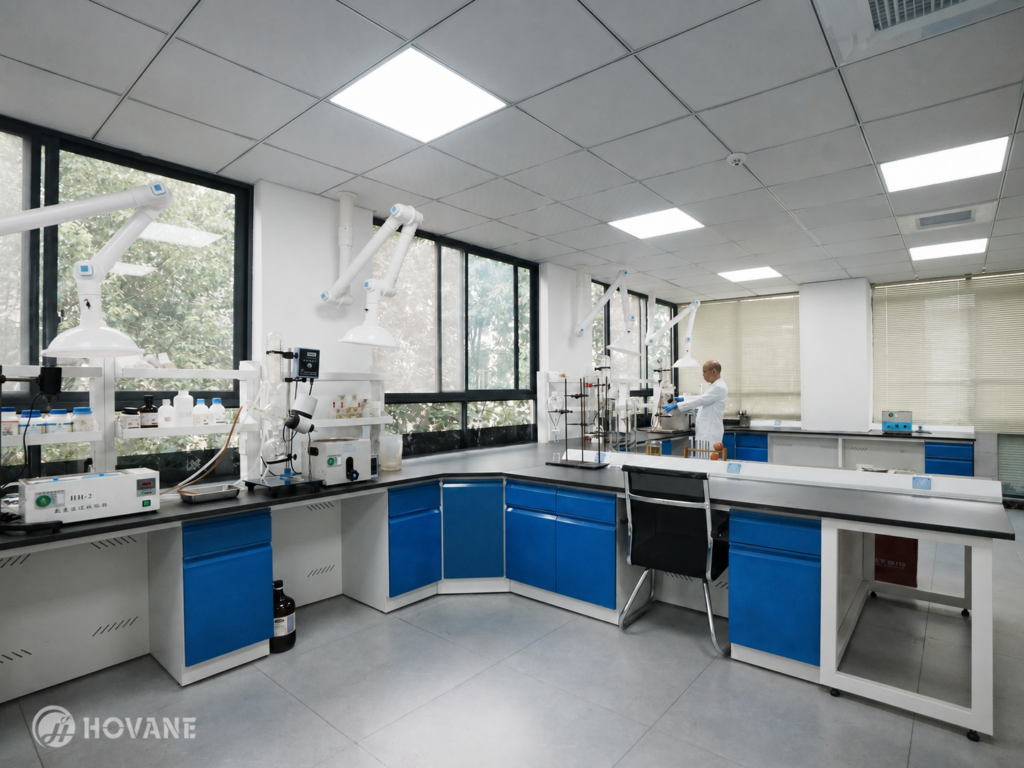
Brokered trading models are rapidly declining due to rising concerns over batch blending, adulteration, and unverified origin claims. Tier-1 brands are increasingly bypassing middleman distributors to form direct contracts with integrated manufacturing facilities like IES Biotech Co., Ltd., where raw material sourcing from native botanical origins (e.g., Sichuan agricultural bases) is fully traceable back to the farm plot.