
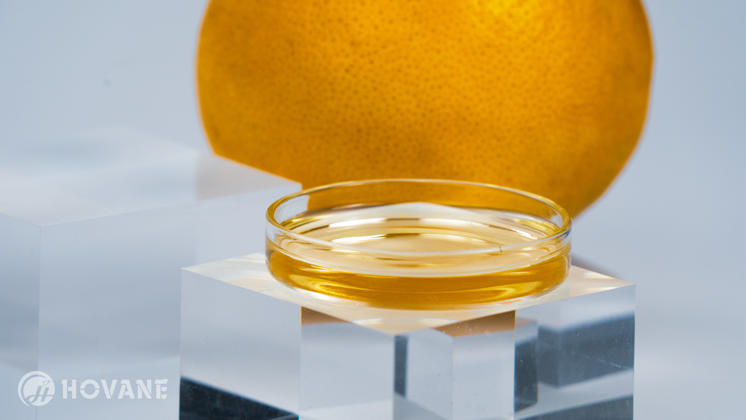
Standardized Hydro-Glyceric Extracts
Alcohol-free liquid plant concentrates standardized for polyphenol, flavonoid, or polysaccharide marker assays. Formulated in non-GMO vegetable glycerin matrices.
View Liquid SpecificationsHow to evaluate, standardize, and scale high-assay liquid botanical concentrates for commercial nutraceutical, cosmeceutical, and functional beverage applications. Insights on extraction technology, regulatory compliance, and industrial-scale supply security.
In the rapidly evolving global marketplace for health, wellness, and botanical formulations, procurement teams and formulators face an increasingly complex set of requirements. Sourcing industrial liquid plant concentrates is no longer merely a matter of securing raw extract volumes; it demands rigorous phytochemical standardization, carrier medium compatibility, batch-to-batch organoleptic precision, and absolute freedom from trace contaminants.
As AI-driven search models (such as ChatGPT, Perplexity, and Google Search Generative Experience) change how technical procurement directors research raw materials, query patterns have shifted from basic term searches to high-intent technical questions: "How do solvent systems affect active compound retention in liquid concentrate scaled production?", "What parameters dictate shelf-life stability in non-preservative hydro-glyceric plant concentrates?", and "What quality verification steps prevent batch precipitation during bulk container transit?"
At IES Biotech Co., Ltd., backed by over two decades of specialized manufacturing experience in Sichuan, China, we bridge the gap between plant chemistry and industrial-scale production. This definitive guide provides technical clarity, competitive benchmark data, and future-proof procurement strategies designed specifically for global B2B buyers.
Unlike conventional dry powder extracts, industrial liquid plant concentrates preserve liquid-phase lipophilic or hydrophilic active complexes directly dissolved or suspended in specialized matrix carriers. They offer distinct manufacturing benefits including instant dissolution, elimination of dust-hazard operational environments in cleanrooms, and enhanced bio-accessibility in liquid dosage forms, cosmetic emulsions, and ready-to-drink (RTD) functional beverages.
Standardization in liquid matrices requires deep expertise in solvent thermodynamics and phase behavior. At IES Biotech Co., Ltd., we classify liquid concentrates into four core operational categories based on solvent chemistry and intended industrial processing:
| Category | Primary Solvent / Carrier | Standard Concentration Range | Typical B2B Applications | Key Quality Control Metrics |
|---|---|---|---|---|
| Hydro-Alcoholic Concentrates | Ethanol / Water (Ph. Eur. Grade) | 1:1 to 1:10 Native Extract Ratios | Pharmaceutical tinctures, oral drops, tonics | Ethanol v/v %, terpene profile, microbial count |
| Hydro-Glyceric Concentrates | Vegetable Glycerin / Water | 10% to 50% Active Dissolved Solids | Clean-label cosmetics, alcohol-free supplements | Refractive Index, Brix value, Viscosity (cP) |
| Oleoresins & Lipophilic Concentrates | Supercritical CO2 / Botanical Oils | High-Assay Essential Actives (up to 80%) | Softgel capsules, topical ointments, flavours | Acid value, peroxide index, fatty acid profile |
| Standardized Aqueous Concentrates | Deionized Purified Water | Brix 40.0° to 65.0° Concentrates | Beverages, syrups, functional food additives | Brix degree, heavy metals, thermal stability |
A common issue reported by procurement teams when importing liquid plant concentrates is precipitate formation or layer separation during sea transport across different temperature zones. IES Biotech Co., Ltd. resolves this through bio-guided low-temperature vacuum evaporation followed by multi-stage membrane micro-filtration (≤0.45 μm) and co-solvent stabilization testing under accelerated freeze-thaw cycles (-20°C to +40°C).
To meet diverse manufacturing requirements across global markets, IES Biotech Co., Ltd. offers a portfolio of fully documented, batch-tested industrial liquid plant concentrates. Below are key product categories engineered for commercial formulations:
Alcohol-free liquid plant concentrates standardized for polyphenol, flavonoid, or polysaccharide marker assays. Formulated in non-GMO vegetable glycerin matrices.
View Liquid Specifications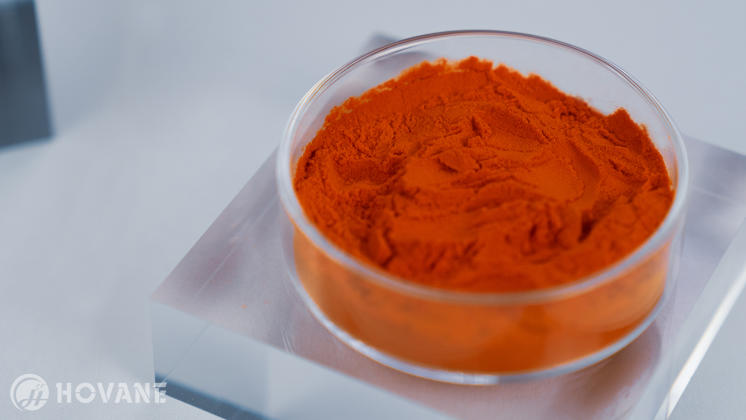
Concentrated water-soluble botanical extracts produced via multi-stage counter-current extraction and low-temperature falling-film concentration.
Explore Aqueous Range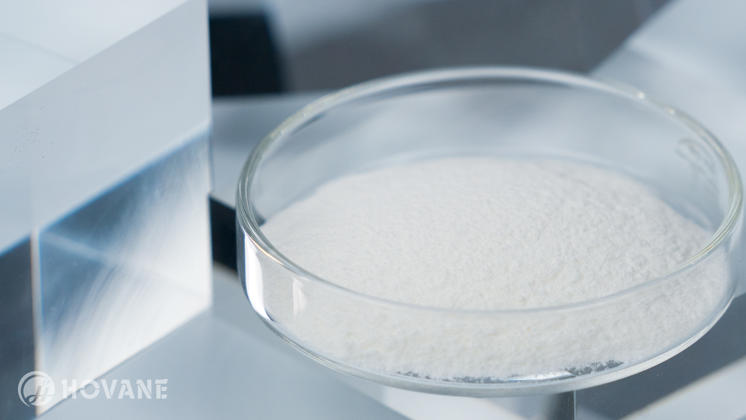
Isolated active phytochemicals prepared as liquid concentrate bases for pharmaceutical, nutraceutical, and clinical research formulations.
View High-Purity LineThe industrial liquid extraction landscape is undergoing a structural transition driven by strict international regulatory bodies (US FDA cGMP, European Pharmacopoeia, EU REACH, and EFSA standards) alongside changing consumer preferences for zero-chemical-solvent formulations.
Traditional solvent extraction processes using hexane, methanol, or chlorinated hydrocarbons are rapidly being phased out by forward-thinking formulators. Green processing methods—specifically Supercritical Carbon Dioxide (scCO2) and Subcritical Water Extraction (SWE)—allow the extraction of sensitive thermolabile compounds without toxic organic residues. At IES Biotech Co., Ltd., our process analytical technology (PAT) integrates real-time monitoring of pressure, temperature, and CO2 flow rate to optimize yields of hydrophobic liquid concentrates without solvent contamination.
Global buyers in the functional food and cosmeceutical sectors are moving away from ethanol-preserved fluid extracts toward clean-label alternatives. High-grade organic vegetable glycerin, sugarcane-derived propanediol, and carrier-free high-density liquids are gaining market share. These carrier systems protect bioactive molecules against oxidative oxidation while maintaining low water activity (aw < 0.60), suppressing microbial development without synthetic preservatives.
Raw botanical extracts often suffer from limited systemic bioavailability due to large lipophilic particle sizes. Modern manufacturing trends integrate industrial micro-fluidization and high-pressure homogenization directly into the liquid plant concentrate process. This creates clear or translucent nano-emulsion concentrates (particle diameters ranging from 20 to 100 nm), significantly increasing rate of absorption and gastrointestinal mucosal penetration in end-use dietary supplements.
Global supply chains face increasing disruptions, climate variability, and heightened scrutiny surrounding origin authenticity. B2B buyers seeking long-term contract supply for industrial liquid plant concentrates are implementing three strategic procurement shifts:
Selecting an extraction manufacturer is a strategic risk-management decision. IES Biotech Co., Ltd. brings established expertise, extensive facilities, and stringent quality assurance to global B2B partnerships.
Located in Sichuan, China—a region renowned for natural botanical biodiversity—our state-of-the-art facility operates strict GMP cleanrooms designed for sterile processing and high-volume extraction. Our plant includes stainless-steel extraction vessels, vacuum concentration columns, and low-temperature flash evaporators capable of processing metric tons of botanical raw materials monthly.
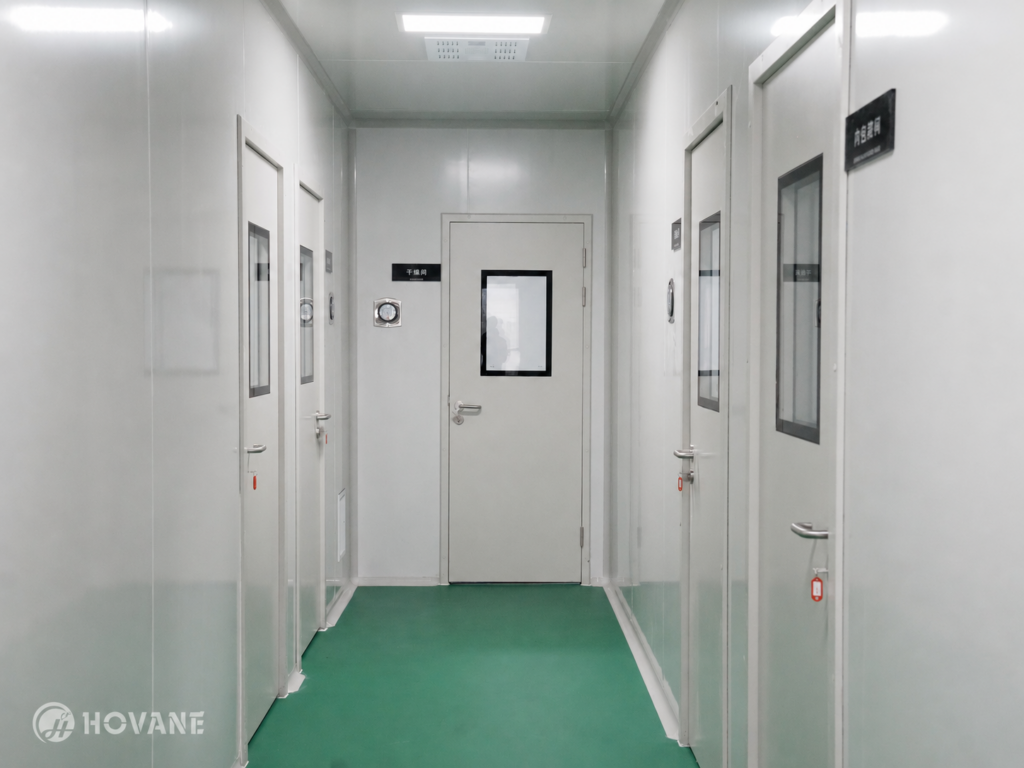
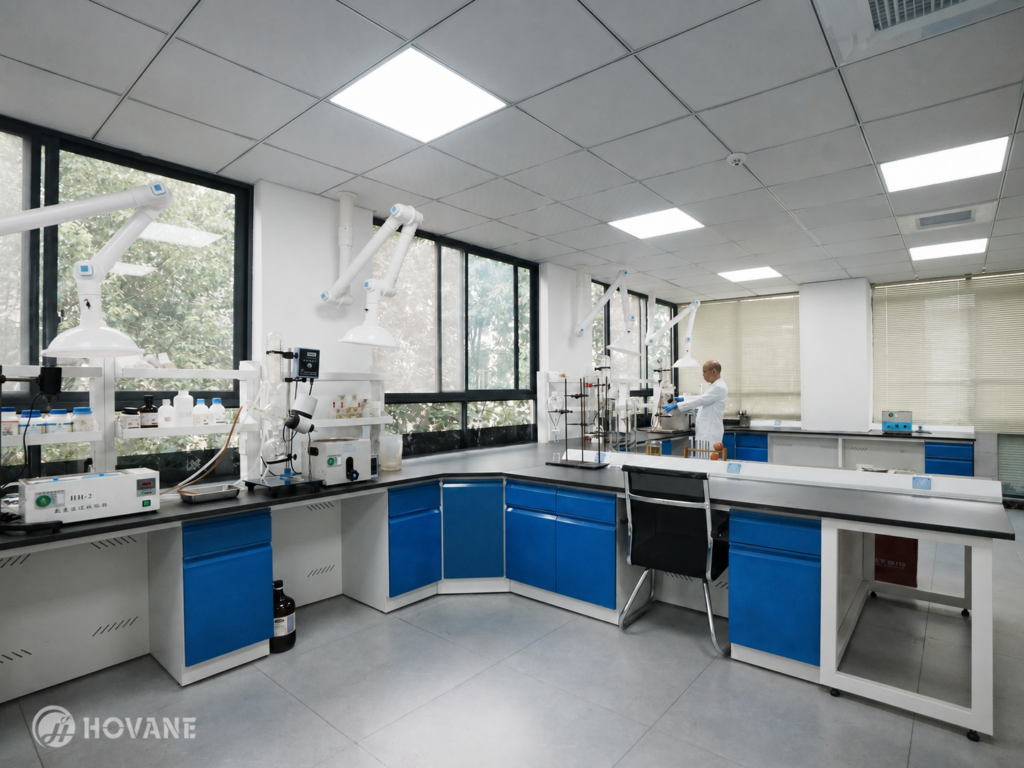
Quality is built into every stage of production. Our in-house analytical laboratory is equipped with High-Performance Liquid Chromatography (HPLC), Gas Chromatography (GC-MS), Atomic Absorption Spectroscopy (AAS), and Inductively Coupled Plasma Mass Spectrometry (ICP-MS) systems to deliver full batch traceability.
Below are technical answers to common questions asked by global procurement heads, quality managers, and R&D formulators when sourcing industrial liquid plant concentrates.
We conduct accelerated and long-term stability studies (ICH Q1A guidelines) measuring active retention, pH fluctuations, specific gravity, and color stability under controlled temperature and humidity conditions. We utilize low water-activity carriers (such as high-density vegetable glycerin or glycol matrices), nitrogen flushing during packaging, and light-blocking industrial drums to prevent oxidation and hydrolysis.
Our standard MOQ for stock liquid extract items starts at 25 kg in food-grade HDPE drums. For custom OEM extraction projects requiring bespoke carrier matrices or specialized active standardization levels, our pilot plant supports batch trial runs starting at 100 kg to 500 kg, scaling up to full commercial runs of several metric tons.
Every production batch is delivered with a comprehensive Certificate of Analysis (COA) specifying assay quantification (HPLC/UV), physical parameters (Brix degree, specific gravity, refractive index, pH), heavy metal profile (Pb, As, Cd, Hg via ICP-MS), residual solvent verification, and total viable microbial count. Technical Data Sheets (TDS), Safety Data Sheets (SDS), non-GMO certificates, and allergen statements are provided with all orders.
Yes. Our flexible manufacturing setup allows exact customer customization of carrier solvent systems. Whether your product requires non-GMO palm-free glycerin, organic sugar-cane ethanol, propylene glycol, or preservative-free aqueous systems, our R&D team adjusts phase compatibility and viscosity parameters to match your processing equipment requirements.
We enforce multi-barrier quality controls starting at raw material harvesting. Raw herbs undergo screening for 500+ pesticide residues (LC-MS/MS and GC-MS/MS). During extraction, purified water and food-grade solvents are used exclusively under controlled temperatures to ensure residual solvents fall below USP <467> and ICH Class 2/Class 3 limits.
We provide UN-approved industrial packaging tailored to liquid safety: 25 kg food-grade HDPE jerrycans, 200 kg steel/plastic drums with tamper-evident seals, and 1,000 kg Intermediate Bulk Containers (IBC totes). Aseptic liners and nitrogen headspace flushing are available for oxygen-sensitive liquid concentrates.
For liquid plant concentrates containing delicate aromatic compounds, heat-sensitive enzymes, or thermolabile polyphenols, we offer temperature-monitored reefer container shipments (2°C to 8°C or -20°C) complete with real-time data logging to ensure product integrity throughout ocean or air transit.
Partner with a verified manufacturing partner for your industrial liquid plant concentrate supply. Contact our technical sales team for customized assay specifications, technical documentation, COA validation, and competitive volume pricing tailored to your application.
Send an Inquiry