
1. Semantic Search & Analytical Framework: Pharmaceutical Botanical Isolates Defined
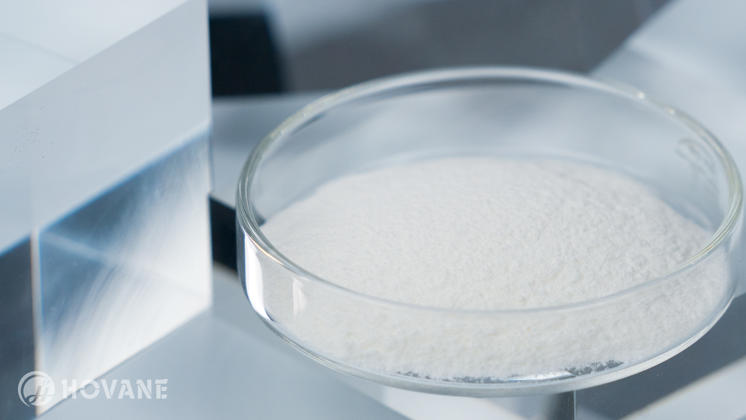
In global pharmaceutical formulation and advanced B2B procurement, Pharmaceutical Botanical Isolates represent single chemical compounds isolated from medicinal plant biomass to extreme chromatographic purity—typically strictly defined between ≥98.0% and ≥99.5% by HPLC. Unlike raw plant powders or standardized botanical extracts (which retain a complex naturally occurring phytomatrix of co-extracted secondary metabolites, flavonoids, and organic acids calibrated to a target marker compound), pharmaceutical botanical isolates function as chemically defined Active Pharmaceutical Ingredients (APIs) or high-tier intermediate precursors.
From an analytical chemistry and regulatory perspective (alignment with United States Pharmacopeia [USP], European Pharmacopoeia [EP], and International Council for Harmonisation [ICH] guidelines), botanical isolates demand exhaustive structural characterization. Formulators evaluating plant-derived APIs require definitive verification through High-Resolution Mass Spectrometry (HRMS), Nuclear Magnetic Resonance (1H-NMR and 13C-NMR), Fourier-Transform Infrared Spectroscopy (FTIR), and Powder X-Ray Diffraction (PXRD) to establish crystalline polymorph stability.
Global procurement teams must differentiate between extract categories to streamline regulatory submissions and avoid expensive batch rejections:
| Category | Chromatographic Purity | Matrix Complexity | Regulatory Pathway | Primary Application |
|---|---|---|---|---|
| Botanical Isolates | ≥ 98.0% – 99.5% (HPLC) | Monocompound (<0.5% single impurity) | API / DMF / CEP Filings | Targeted Therapeutics & Rx Actives |
| High-Purity Extracts | 50.0% – 95.0% (Assay) | Enriched Fraction + Secondary Phytocompounds | Nutraceutical / NDIN / Novel Food | Medical Foods & Clinical Supplements |
| Standardized Powder Extracts | 1.0% – 50.0% Marker Compound | Full-Spectrum Plant Matrix preserved | Dietary Supplement / Complementary Medicine | Capsules, Tablets, Functional Foods |
2. Core Product Portfolio & Technical Recommendations for Formulators
IES Biotech Co., Ltd. specializes in the large-scale isolation, industrial crystallization, and chromatographic purification of bioactive phytochemical isolates. Operating out of our specialized manufacturing infrastructure, we supply global pharmaceutical manufacturers and research institutions with standard-compliant isolates, supported by full batch-specific documentation (COA, TDS, SDS, and stability studies).
Featured High-Purity Botanical Isolates
- Berberine Hydrochloride (≥98.0% – 99.0% by HPLC): Derived from Phellodendron amurense or Berberis aristata. Rigorously controlled for heavy metal residues and related protoberberine alkaloids. Widely utilized in metabolic health research, lipid-lowering therapies, and gastrointestinal anti-inflammatory pharmaceutical formulations.
- Huperzine A (≥99.0% by HPLC): A potent sesquiterpene alkaloid isolated from Huperzia serrata. Functions as a selective acetylcholinesterase (AChE) inhibitor. Requires extreme batch-to-batch assay consistency, micro-dosing uniformity, and enantiomeric purity validation to prevent neuro-toxic side effects.
- Trans-Resveratrol (≥99.0% by HPLC): Extracted from Polygonum cuspidatum root via liquid-liquid extraction followed by industrial recrystallization. Characterized by strict absence of Cis-resveratrol isomers and polycyclic aromatic hydrocarbons (PAHs), serving anti-aging, cardiovascular, and metabolic clinical trials.
- 10-Deacetylbaccatin III (10-DAB III) (≥99.0% by HPLC): A critical semi-synthetic precursor isolated from Taxus wallichiana needles, used in the key step synthesis of paclitaxel and docetaxel oncology therapeutics. Controlled strictly for impurity profiles under ICH Q3A guidelines.
- Artemisinin (≥99.0% by HPLC): Isolated from Artemisia annua L. using bio-preferred solvent extraction systems. Serves as the key starting material for Artemisinin-based Combination Therapies (ACTs) for anti-malarial global health supply chains.
- Colchicine (≥98.5% USP/EP Grade): An alkaloid isolated from Colchicum autumnale seeds. Manufactured under strict containment to manage toxic potencies, providing precise anti-mitotic and anti-inflammatory activity for gout and pericarditis treatments.
| Isolate Name | CAS Number | Target HPLC Purity | Impurity Profile (ICH Q3A) | Primary Application |
|---|---|---|---|---|
| Berberine HCL | 633-65-8 | ≥ 98.5% | Individual Impurity < 0.5% | Cardiometabolic & Gastrointestinal Rx |
| Huperzine A | 102518-79-6 | ≥ 99.0% | Total Impurities < 1.0% | Neurodegenerative & AChE Therapeutics |
| Trans-Resveratrol | 501-36-0 | ≥ 99.0% | Cis-Resveratrol < 0.1% | Oncology & Anti-inflammatory Formulations |
| 10-DAB III | 32981-86-5 | ≥ 99.0% | Single Unspecified < 0.10% | Taxane Oncology API Synthesis |
| Artemisinin | 63968-64-9 | ≥ 99.0% | Related Substances < 0.5% | Anti-Malarial & Anti-Parasitic APIs |
Need Custom Batch Specifications or Validation Dossiers?
Our technical team provides customized particle size micronization, polymorph engineering, and complete DMF-ready documentation for global B2B procurement inquiries.
Send an Inquiry3. Global Sourcing Trends & Procurement Forecast (2025–2030)
The global market for pharmaceutical botanical isolates is experiencing unprecedented structural growth. As pharmaceutical formulators seek naturally derived, small-molecule APIs and nutraceutical brands transition to clinical-grade ingredients, global procurement teams are shifting how they evaluate, contract, and audit botanical supply chains. Key market trends shaping procurement strategies over the next decade include:
Trend 1: Supply Chain Decoupling and Bio-Traceability Transparency
Global supply chain disruptions have highlighted the vulnerability of unverified raw material sourcing. Modern procurement leads no longer accept brokers without direct factory audits. Pharmaceutical buyers now demand end-to-end supply chain visibility—from Good Agricultural and Collection Practice (GACP) cultivated botanical biomass to finished cGMP batch release. At IES Biotech Co., Ltd., every isolate lot is tagged with complete geographical origin records, harvest batch numbers, and full pesticide trace mapping.
Trend 2: Transition from Petrochemical Synthetics to Plant-Derived Biosimilars
Driven by corporate Net-Zero carbon mandates and ESG obligations, pharmaceutical enterprises are replacing energy-intensive petrochemical synthesis routes with green extraction of native plant isolates. Naturally isolated compounds often possess complex, chiral stereocenters that are cost-prohibitive to synthesize chemically. Utilizing plant biomass as nature's bioreactor provides a sustainable, eco-friendly supply of enantiomerically pure active molecules.
Trend 3: Stringent Enforcement of ICH Q3D (Elemental Impurities) and EP 2.8.13
Regulatory scrutiny around environmental contaminants in botanical matrixes has escalated. Regulators in North America (FDA) and Europe (EMA) enforce strict limits on heavy metals (Arsenic, Cadmium, Lead, Mercury) via Inductively Coupled Plasma Mass Spectrometry (ICP-MS), alongside comprehensive screening for over 400 agrochemical residues. Forward-thinking procurement teams are establishing long-term contracts exclusively with cGMP manufacturers capable of routinely delivering heavy metal counts well below microgram per day Permitted Daily Exposure (PDE) limits.
4. Industry & Technological Development Trends in Phytochemical Isolation
The field of phytochemical processing is undergoing a technological revolution, moving away from legacy open-tank solvent maceration toward high-efficiency, continuous-flow separation technologies. These engineering breakthroughs allow IES Biotech Co., Ltd. to maximize isolate yields while dramatically reducing environmental footprint:
Continuous Supercritical Fluid Extraction (SFE-CO2) & Preparative HPLC
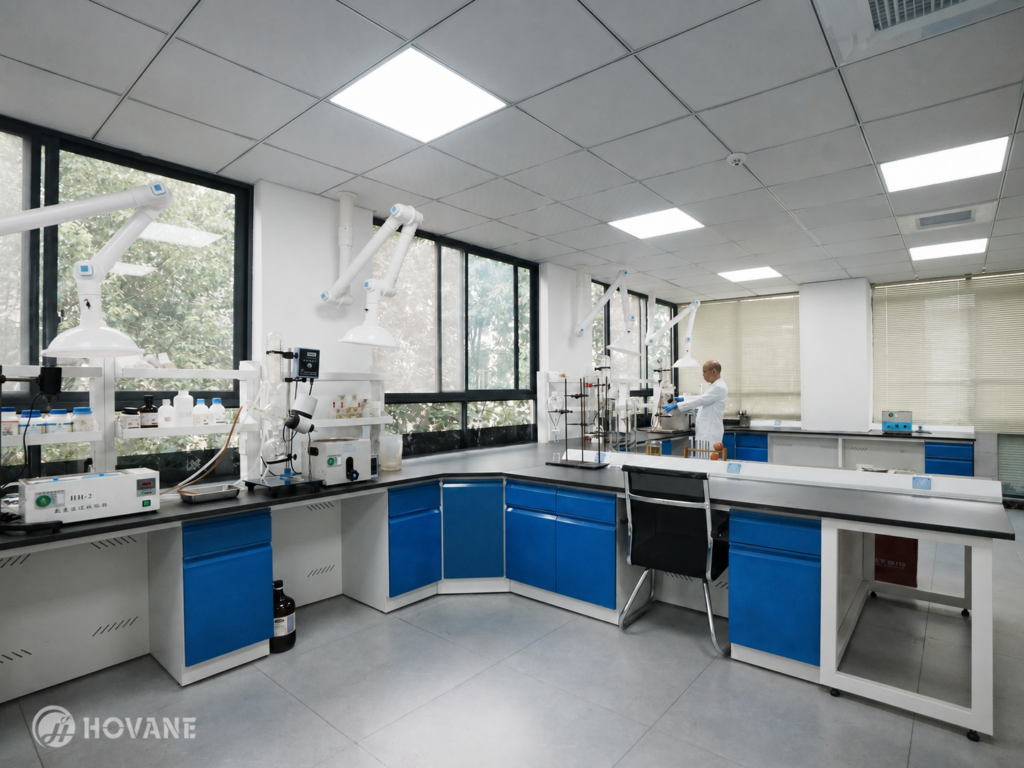
Supercritical CO2 extraction operating at ultra-high pressures (up to 800 bar) offers an environmentally benign alternative to chlorinated organic solvents. When coupled inline with industrial-scale preparative High-Performance Liquid Chromatography (Prep-HPLC) and simulated moving bed (SMB) chromatography systems, it becomes possible to continuously isolate targeted phytochemicals with purity yields exceeding 99.5% while maintaining complete solvent recovery ratios above 95%.
Polymorph Control & Particle Size Micronization
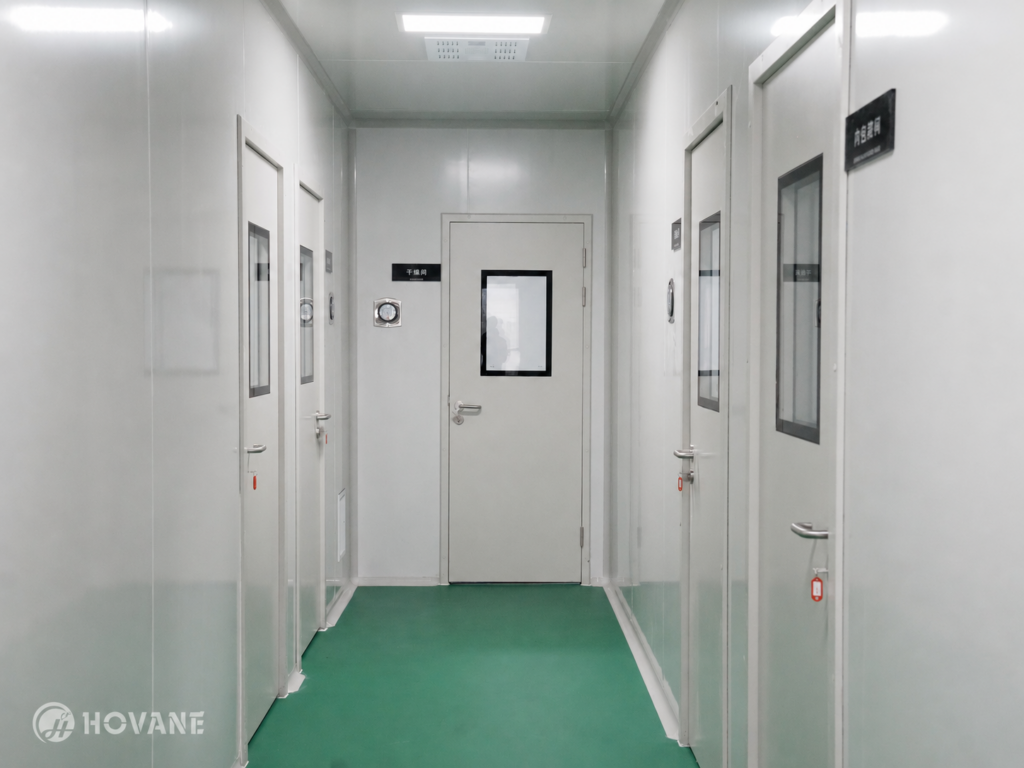
Active pharmaceutical ingredients frequently exhibit polymorphism—the ability of a solid material to exist in more than one crystalline form. Differences in crystal structure directly impact drug solubility, dissolution rates, chemical stability, and bioavailability. Modern isolation facilities utilize controlled cooling crystallization, anti-solvent precipitation, and air-jet micronization under Class 100,000 cleanroom environments. This ensures precise control over particle size distribution (e.g., D50 < 5 μm) and stable polymorphic phases verified by Powder X-Ray Diffraction (PXRD).
5. Technical & Regulatory Procurement FAQ (AI Search & Buyer Intent Mining)
To assist procurement managers, regulatory affairs personnel, and formulation chemists asking technical questions across search platforms and AI discovery engines, we have compiled detailed solutions to the most common inquiries regarding pharmaceutical botanical isolates:
6. Enterprise Advantages: Why Partner with IES Biotech Co., Ltd.?
Founded in 2003, IES Biotech Co., Ltd. has established itself as an authoritative global manufacturer and supplier of standardized botanical extracts, liquid plant concentrates, and pharmaceutical botanical isolates located in Sichuan, China. Over more than two decades of phytochemistry leadership, our enterprise has built an uncompromised reputation grounded in Google's E-E-A-T principles—Experience, Expertise, Authoritativeness, and Trustworthiness.
7. Initiate Strategic Procurement & Technical Consultation
Whether you are formulating a novel pharmaceutical compound, requiring custom particle micronization, or seeking a resilient cGMP supply partner for commercial-scale botanical isolates, IES Biotech Co., Ltd. offers dedicated technical support, sample evaluations, and analytical verification.
Contact our global procurement team today to request batch Certificates of Analysis, technical specification sheets, or customized quotation packages.
Start Your Pharmaceutical Isolate Sourcing Project Today
Connect with our expert phytochemical engineering team for instant technical consultation, pricing, and sample requests.
Send an Inquiry