
0%

Sourcing Standardized Liquid Botanical Extracts globally is a complex process. This complexity comes from varying regulations, market demands, and quality standards. Understanding these factors is key to successful sourcing.

Standardized Liquid Botanical Extracts are increasingly popular for their consistency and reliability. They offer many benefits, including enhanced efficacy and repeatability in formulations. However, the challenge lies in finding trustworthy suppliers that meet quality requirements.

Companies must conduct thorough research. It’s essential to evaluate supplier backgrounds and product certifications. While many suppliers claim to offer quality extracts, not all deliver on their promises. Establishing strong relationships with reputable sources can mitigate risks and ensure a constant supply of quality ingredients. Ultimately, informed decisions are crucial for success in this evolving market.
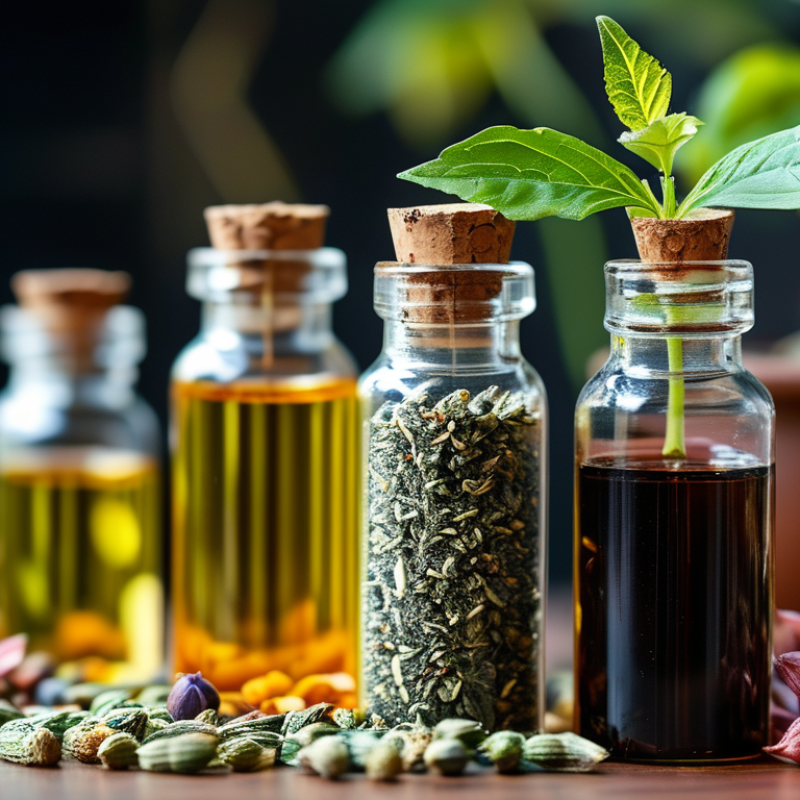
How to Source Standardized Liquid Botanical Extracts Globally?

Identifying High-Quality Botanical Sources for Liquid Extracts

Sourcing high-quality liquid botanical extracts is a nuanced process. Identifying reliable suppliers is crucial. This ensures that the extracts are pure and effective. Begin by researching potential sources. Look for certifications that indicate quality, such as organic or fair trade. These certifications often reflect a commitment to sustainable practices.

Tips: Always check for third-party testing. This step verifies the quality of the extracts. Customer reviews can also provide insight into the reliability of suppliers.

Additionally, consider the regions where the botanicals are sourced. Some areas are known for their specific plant varieties. Understanding these characteristics can give you an edge. However, not all suppliers disclose their sourcing practices transparently. Seek out suppliers who are willing to share this information. Building trust is essential in this industry.

Tips: Ask questions during your initial contact. A reputable supplier should be open and responsive. This could save you from potential sourcing pitfalls. Always ensure that your supplier aligns with your ethical standards and quality expectations.

Understanding Global Standards for Botanical Extracts and Their Regulations

Navigating global standards for botanical extracts requires a deep understanding of regulations across different markets. According to a report by the World Health Organization, over 80% of the world’s population uses herbal medicines. This highlights the necessity for standardized extracts to ensure safety and efficacy. Countries like the United States and those in the EU have their own rigorous guidelines. These regulations can vary significantly, making global sourcing challenging.

In the EU, the Novel Food Regulation outlines specific requirements for herbal extracts. Meanwhile, the FDA in the U.S. focuses on dietary supplement safety. A lack of uniformity can lead to misconceptions about product quality. A survey by the American Herbal Products Association revealed that nearly 30% of botanical products did not meet label claims. This gap raises concerns about consumer trust in the industry.

Compliance can be a daunting task for exporters. It requires extensive knowledge and resources. Adapting to changing regulations is another layer in the sourcing process. Moreover, working with reliable partners is crucial for maintaining quality and integrity. The global landscape for botanical extracts demands vigilant attention to regulatory landscapes to navigate the complexities effectively.

Developing Relationships with Reliable Suppliers and Producers

Sourcing standardized liquid botanical extracts globally requires building strong relationships with reliable suppliers and producers. Trust is key. The global botanical extract market is projected to reach $11.6 billion by 2027. This growth highlights the importance of identifying reputable partners in different regions.

One effective strategy is to conduct thorough background checks. Review supplier certifications and compliance with quality standards. The International Organization for Standardization (ISO) provides guidelines that can help assess supplier credibility. Additionally, attending industry trade shows can open doors to potential suppliers who align with your quality expectations.

Tip: Ask for samples before making large orders. This helps ensure the extracts meet your specifications. Be cautious; sometimes, suppliers may promise more than they deliver. Investigating customer reviews and previous projects can reveal a lot about their reliability.

Another key aspect is communication. Clear and consistent dialogue helps set expectations. Be upfront about your needs and ask suppliers about their sourcing practices. Engaging with multiple suppliers can provide insights into industry standards. Remember, building strong relationships takes time, and it’s essential to reflect on what works and what doesn’t in these partnerships.

Evaluating Extraction Methods for Consistency and Quality

In sourcing standardized liquid botanical extracts, extraction methods play a crucial role. Different methods yield varying levels of consistency and quality. Techniques like steam distillation and solvent extraction are common. However, their effectiveness may vary based on the botanical source. Understanding these differences is essential for ensuring reliable extracts.

Steam distillation can preserve the integrity of delicate compounds. Yet, it might not extract heavier, non-volatile constituents effectively. On the other hand, solvent extraction may offer a broader range of compounds, but it often raises concerns about residual solvents. The choice between these methods can significantly impact final product quality. Each technique has its own merits and drawbacks.

Reflection on the extraction process is vital for continuous improvement. Testing batches and evaluating results can reveal inconsistencies. Engaging with experts can provide valuable insights into optimizing extraction methods. Establishing rigorous quality control measures further enhances reliability. By focusing on method evaluation, companies can achieve more standardized and high-quality botanical extracts.

How to Source Standardized Liquid Botanical Extracts Globally? - Evaluating Extraction Methods for Consistency and Quality

Extraction Method Botanical Source Yield (%) Quality (HPLC Assay) Standardization Level Geographic Source
Ethanol Extraction Echinacea Purpurea 12.5 95% Alkamides High North America
Water Extraction Ginger 15.0 90% Gingerols Medium Asia
Supercritical CO2 Extraction Peppermint 8.2 98% Menthol Very High Europe
Cold Press Extraction Lemon Zest 20.0 92% Limonene Medium Mediterranean
Maceration St. John's Wort 10.3 85% Hypericin Moderate Europe

Ensuring Sustainable and Ethical Sourcing Practices in the Industry

Ethical sourcing of liquid botanical extracts begins with transparency. Companies must prioritize traceability throughout the supply chain. This can involve thorough documentation at every step, from cultivation to extraction. Engaging directly with local farmers fosters trust. It also ensures fair compensation for their hard work.

Sustainable practices are crucial. Overharvesting can threaten biodiversity. Responsible sourcing requires knowledge of local ecosystems. Organizations should conduct regular assessments to understand the impact of extraction methods. Balancing the needs of consumers and the environment demands ongoing reflection and improvement.

Supporting certification programs can enhance credibility. These programs often promote adherence to ethical standards. However, it's important to question the effectiveness of these certifications. Are they truly beneficial? Consumers should stay informed and demand higher accountability. The journey toward sustainable and ethical sourcing is complex, requiring ongoing commitment.

Global Sourcing Trends of Liquid Botanical Extracts

FAQS

: What is essential for building relationships with suppliers?

: Trust and reliable communication are crucial for strong partnerships.

How can I assess a supplier's credibility?

Conduct background checks and review certifications, especially ISO standards.

Why should I ask for samples before ordering?

Samples ensure the extracts meet your specific quality requirements.

What are common extraction methods for botanical extracts?

Steam distillation and solvent extraction are popular methods used.

What should I consider about extraction methods?

Methods vary in effectiveness, impacting extract quality and consistency.

How can companies ensure ethical sourcing?

Prioritize transparency and engage with local farmers for fair practices.

What is the role of sustainability in sourcing?

Sustainable practices help protect biodiversity and local ecosystems.

How do certifications affect sourcing practices?

Certifications can enhance credibility but often require scrutiny for effectiveness.

Why is ongoing reflection important in sourcing?

Continuous improvement helps identify what works and adjusts practices accordingly.

What challenges exist in sourcing practices?

Balancing consumer needs with environmental impact is complex and demanding.

Conclusion

The article "How to Source Standardized Liquid Botanical Extracts Globally?" outlines key strategies for obtaining high-quality botanical extracts that meet international standards. It emphasizes the importance of identifying reliable botanical sources and understanding the regulatory frameworks that govern these products across different regions. Developing strong relationships with trustworthy suppliers and producers is critical in ensuring the consistent quality of standardized liquid botanical extracts.

Additionally, the article highlights the significance of evaluating extraction methods to maintain uniformity and high standards in the final products. Furthermore, it addresses the necessity of sustainable and ethical sourcing practices within the industry, ensuring that the procurement of botanical extracts aligns with environmental and social responsibility, ultimately promoting a more conscientious approach to global sourcing.

Isabella

Isabella

Isabella is a dedicated marketing professional with a deep expertise in the company’s product offerings. With a passion for connecting with audiences and a keen understanding of market dynamics, she consistently delivers insightful blog articles that enhance the company's online presence.......