
Industry Insights & Knowledge
Botanical Extracts & Phytochemical News
Explore the latest technical articles, extraction insights, and industry updates from IES Biotech Co., Ltd.
Manufacturing Standards
Quality Assurance & Phytochemical Innovation
In-depth technical guides on GMP processing, standardization, and quality control.
R&D Research
Market Trends & Technical Reports
Expert perspectives for nutraceutical, cosmeceutical, and pharmaceutical formulators.
Top Standardized Powder Botanical Extracts for Global Buyers?
Table of Contents
- Overview of Standardized Powder Botanical Extracts
- Key Benefits of Standardized Botanical Extracts for Buyers
- Popular Botanical Sources for High-Quality Extracts
- Criteria for Selecting Reliable Suppliers of Botanical Extracts
- Future Trends in the Global Botanical Extract Market
- FAQS
- Conclusion
- Related Posts
The global market for Standardized Powder Botanical Extracts has shown significant growth in recent years. According to a market research report by Fortune Business Insights, the botanical extracts market is projected to reach USD 40.6 billion by 2027. This expansion is driven by increasing consumer demand for natural products in the food, pharmaceutical, and personal care industries.
Standardized Powder Botanical Extracts are favored for their consistency and potency. These extracts allow manufacturers to offer reliable formulations, crucial in maintaining product integrity. However, the quality of these extracts can vary widely. Buyers must prioritize suppliers with strong quality control processes and certifications. Ensuring proper sourcing can be challenging yet vital for product success.
Moreover, insights from industry leaders, including HerbalGram, indicate a growing trend toward sustainability in sourcing herbs. However, not all suppliers adhere to sustainable practices. This inconsistency leads to potential risks for businesses and consumers alike. Therefore, while the market is promising, critical reflection on sourcing practices is essential. Developing partnerships with reputable suppliers can mitigate those risks and enhance product reliability.
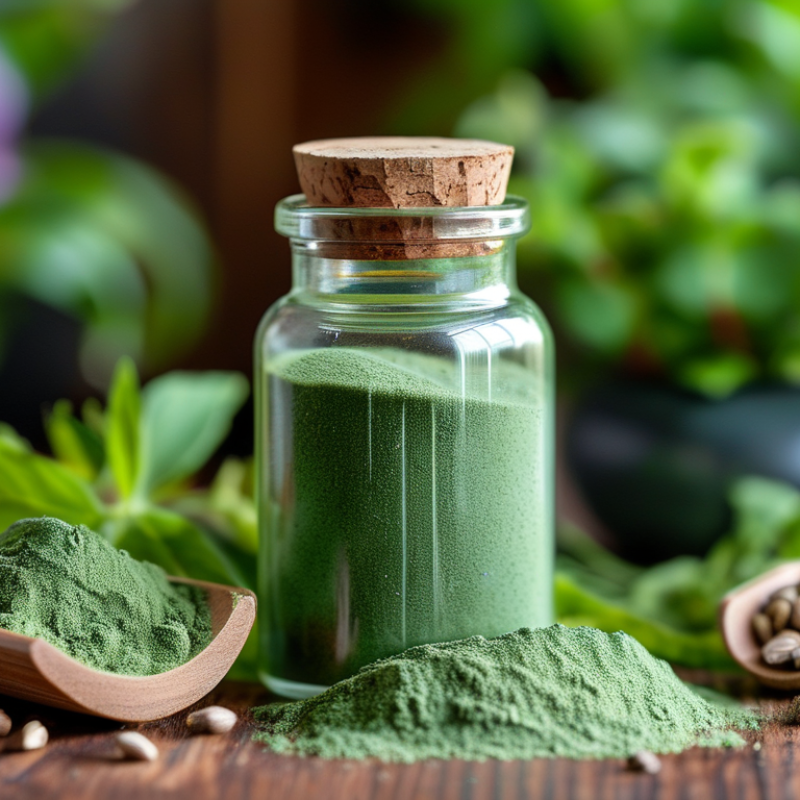
Overview of Standardized Powder Botanical Extracts
Standardized powder botanical extracts have gained traction globally. These extracts offer consistent potency and quality, essential for manufacturers and consumers alike. According to a report from Market Research Future, the global herbal extracts market is projected to reach approximately $13 billion by 2026, growing at a compound annual growth rate (CAGR) of about 7.5%. Such growth indicates the rising demand for reliable botanical products.
One notable advantage of standardized extracts is their ability to provide specific bioactive compounds. These compounds ensure that users receive consistent health benefits. For example, standardized ginseng extracts contain a guaranteed percentage of ginsenosides, which contributes to its efficacy. However, not all standardized extracts are created equal. Some may lack the desired phytochemicals, impacting their effectiveness. This inconsistency raises questions about quality controls and supplier transparency.
Consumers are increasingly focused on product sourcing and quality assurance. A survey by Grand View Research revealed that 75% of consumers prefer products backed by third-party testing. This trend emphasizes the need for manufacturers to invest in quality. It is vital for them to engage in detailed research and development, as many fail to acknowledge the complexities of sourcing botanicals. The market is evolving, and staying ahead requires commitment to quality and ethical sourcing.
Top Standardized Powder Botanical Extracts for Global Buyers
| Botanical Extract | Standardization Level | Common Uses | Market Trends | Region Popularity |
|---|---|---|---|---|
| Green Tea Extract | 50% EGCG | Weight Loss, Antioxidant | Growing demand in dietary supplements | North America, Asia |
| Turmeric Extract | 95% Curcumin | Anti-inflammatory, Health Benefits | Increased usage in food and beverages | Europe, Asia |
| Ginger Extract | 5% Gingerol | Digestive Health, Anti-nausea | Stable demand in herbal products | Global |
| Echinacea Extract | 4% Echinacoside | Immune Support, Cold Relief | Increased interest post-COVID-19 | North America, Europe |
| Milk Thistle Extract | 80% Silymarin | Liver Health, Detoxification | Consistent demand in supplements | Global |
Key Benefits of Standardized Botanical Extracts for Buyers
Standardized botanical extracts offer numerous advantages for buyers in today's market. These extracts provide consistent potency and quality, ensuring that consumers receive the same benefits with each purchase. Standardization enhances the reliability of herbal products, making them more appealing to both manufacturers and consumers. Buyers can trust that they are getting the active ingredients they expect, which is crucial for effectiveness.
Moreover, the health benefits associated with botanical extracts can be significant. Many buyers seek natural solutions for health issues. A standardized extract can guarantee a specific concentration of bioactive compounds. For instance, when looking for weight management solutions or antioxidant support, knowing the concentration helps buyers make informed choices. This transparency builds a strong foundation of trust between producers and customers.
However, not all standardization processes are the same. Some extracts may not be adequately tested, raising questions about their true efficacy and safety. It’s essential for buyers to work with reputable suppliers who prioritize quality control. Engaging with companies that demonstrate rigorous testing practices can help ensure product reliability. As the market matures, buyers should remain vigilant and reflective about their choices in sourcing botanical extracts.
Popular Botanical Sources for High-Quality Extracts
The global demand for botanical extracts continues to rise, with experts projecting a market growth rate of 9.4% through 2025. Popular botanical sources offer high-quality extracts that cater to various industries, including food, cosmetics, and nutraceuticals. Among these, herbs like turmeric, eucalyptus, and ginger stand out for their potent nutritional qualities.
Turmeric extract, rich in curcumin, boasts anti-inflammatory properties. Eucalyptus, known for its aromatic oils, is often used in therapeutic applications. Ginger extract supports digestive health and is widely recognized for its antioxidant benefits. These botanicals are subject to rigorous quality assessments to ensure efficacy and safety.
However, quality can vary significantly among suppliers. Not all extracts on the market are standardized, leading to inconsistencies in potency. Transparency in sourcing is crucial. Buyers should seek suppliers who can provide detailed information about extraction methods and ingredient origin. This approach helps maintain the reliability of the final product. It is vital to be aware of these discrepancies in the industry and to continually assess supplier qualifications.
Criteria for Selecting Reliable Suppliers of Botanical Extracts
When selecting reliable suppliers of botanical extracts, it is essential to assess their sourcing practices. Suppliers should prioritize sustainable harvesting methods. Transparency in sourcing indicates a commitment to quality and environmental responsibility. Understanding where and how plants are grown can significantly impact the final product’s efficacy.
Quality assurance processes are another crucial consideration. Suppliers should provide certificates of analysis for their products. These documents verify the extract's composition and potency. Moreover, consider suppliers who engage third-party testing. This step adds an extra layer of credibility. Organizations dedicated to quality can often help you differentiate between standard and subpar products.
Finally, communication is vital in supplier relationships. Reliable suppliers should be responsive and informative. They should readily share data about their extracts and answer your inquiries. Building a partnership based on trust can prevent future complications. It is important to reflect on your choices continuously. Evaluate not just what you need, but how suppliers meet those needs.
Future Trends in the Global Botanical Extract Market
The global botanical extract market is poised for significant growth. By 2027, it is projected to reach $46.95 billion, driven by increased consumer interest in natural products. With the rising demand for health supplements and clean-label foods, standardized powder botanical extracts are becoming increasingly popular.
Tapping into future trends, sustainability is a key factor influencing buyer decisions. Consumers are seeking transparency in sourcing and production processes. As a result, suppliers must adopt environmentally friendly practices. Certifications, such as organic and fair trade, can enhance product appeal. These measures resonate strongly with conscious consumers.
Tips: Explore local sources of botanical extracts. Building relationships with regional suppliers can ensure quality and freshness. Consider joining industry forums for insights into sustainable practices.
Moreover, some challenges remain, particularly regarding standardization. Ensuring consistency in potency and quality across batches can be tricky. Buyers should inquire about testing methods used for potency verification. Understanding these processes is vital for making informed purchasing decisions. Keeping abreast of regulatory developments can also aid compliance and risk management.
FAQS
: They are herbal extracts that provide consistent potency and quality for both manufacturers and consumers.
They ensure consumers receive specific bioactive compounds, offering more reliable health benefits.
They offer consistent potency, allowing buyers to trust the effectiveness of each product.
It’s vital to check if the extracts have undergone thorough testing for quality and efficacy.
Some extracts may lack the desired phytochemicals, which can affect their effectiveness and safety.
Many prefer products backed by third-party testing to ensure reliability and transparency.
Poor sourcing can impact the quality and effectiveness of the extracts, requiring buyers' vigilance.
Not all processes are equal; some extracts may not be thoroughly tested, raising efficacy concerns.
Knowing the concentration of active compounds helps in making informed health choices with botanical extracts.
Engage with reputable suppliers who prioritize rigorous quality control and ethical sourcing practices.
Conclusion
Standardized Powder Botanical Extracts are becoming increasingly important in the global marketplace due to their consistent quality and potency. These extracts provide numerous benefits for buyers, including reliable dosage and enhanced therapeutic effects, making them an essential choice for various applications in health and wellness products. Popular botanical sources for these high-quality extracts include herbs and plants known for their medicinal properties, which are often scrutinized for efficacy and safety.
When selecting suppliers of Standardized Powder Botanical Extracts, buyers should consider key criteria, such as quality assurance measures, certification standards, and supplier reputation. Looking ahead, the global botanical extract market is expected to evolve, with trends leaning towards sustainable sourcing and innovative extraction technologies, ensuring that buyers can meet the growing demand for high-quality botanical products.

Blog Tags: