
Executive Procurement Summary & Information Gain Highlights
Modern commercialization of natural plant-derived active ingredients requires transitioning from traditional ratio-based herb extracts to high-assay, HPLC-standardized phytochemical isolates. At IES Biotech Co., Ltd., we combine Sichuan's rich botanical biodiversity with cGMP cleanroom facilities to deliver standardized powders, liquid concentrates, and high-purity botanical monomers (purity ≥ 98%). This technical guide addresses critical AI-queried procurement challenges: verifying chemical standardization, eliminating solvent residues, mitigating regulatory compliance risks across EU/US markets, and adapting to eco-friendly extraction trends.
1. The Phytochemical Landscape of Natural Plant-Derived Active Ingredients
Natural plant-derived active ingredients are specialized secondary metabolites synthesized by plants to adapt to environmental stresses, defend against pathogens, and regulate biochemical processes. In industrial B2B applications—spanning nutraceutical formulations, cosmeceuticals, functional foods, and active pharmaceutical ingredients (APIs)—these compounds provide targeted bioactivity, high bioavailability, and predictable physiological efficacy.
Unlike raw botanical powders, purified plant-derived active ingredients are structurally classified into distinct chemical families. Understanding these chemical classes allows formulation scientists to optimize solubility, stability, and carrier delivery systems:
- Polyphenols & Flavonoids: Includes proanthocyanidins, quercetin, epigallocatechin gallate (EGCG), and resveratrol. Renowned for free-radical scavenging, anti-inflammatory cascades, and vascular protection.
- Triterpenoids & Phytosterols: Compounds such as Ursolic Acid, Oleanolic Acid, Centella Asiatica Triterpenes, and Ginsenosides. Frequently specified in advanced anti-aging skin barrier repairs and metabolic wellness formulas.
- Alkaloids: High-potency nitrogenous active compounds including Berberine HCl, Tetrandrine, and Piperine, requiring precise assay control and tight impurity profiles.
- Polysaccharides & Glycoproteins: Water-soluble immunomodulatory polymers derived from Astragalus, Tremella, or Reishi, evaluated by molecular weight distribution and beta-glucan content.
- Essential Oils & Lipophilic Terpenes: Volatile actives extracted via steam distillation or scCO2, heavily utilized in topical cosmeceuticals and aromatic therapies.
Technical Comparison: Ratio Extracts vs. Quantified Standardized Active Ingredients
A frequent point of friction in global B2B procurement is the confusion between crude extract ratios and quantified active standardization. The table below highlights key quality parameters for technical evaluation:
| Evaluation Parameter | Ratio Botanical Extracts (e.g., 10:1, 20:1) | Standardized Active Ingredients (e.g., Assay % by HPLC) | High-Purity Phytochemical Monomers (≥ 98%) |
|---|---|---|---|
| Bioactive Definition | Variable, non-quantified active compound profile | Guaranteed percentage of target biomarker(s) | Single isolated molecular compound with defined CAS # |
| Analytical Verification | TLC (Thin Layer Chromatography) identity only | Validated HPLC-UV, UHPLC, or LC-MS/MS testing | HPLC, NMR, IR, and Mass Spectrometry (MS) |
| Batch-to-Batch Variance | High (±30-50% depending on raw biomass batch) | Strict (±2-5% within agreed CoA specifications) | Ultra-tight (≤ 0.5% variation in active assay) |
| Primary Application | Traditional herbal teas, basic dietary supplements | Clinical-grade nutraceuticals, functional beverages | Cosmeceutical actives, pharmaceutical synthesis, APIs |
| Regulatory Acceptance | Moderate; requires heavy batch-level validation | High; supported by scientific literature & monographs | Highest; full DMF / technical master dossier ready |
2. Product Portfolio & Formulator Recommendations
IES Biotech Co., Ltd. manufactures a broad portfolio of plant-derived active ingredients categorized into three primary physical presentation formats to meet global formulation requirements:
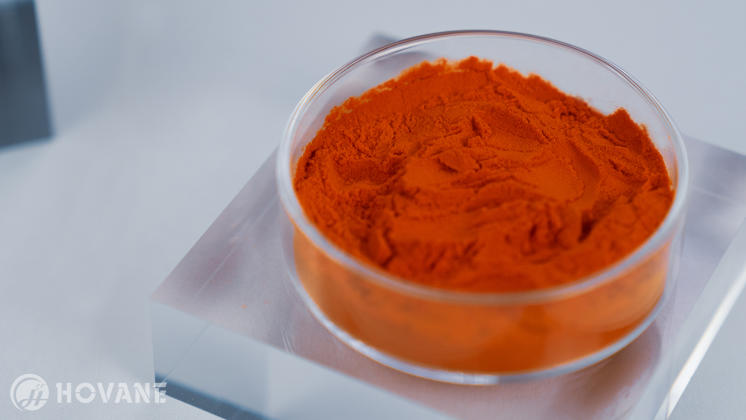
Spray-dried or vacuum-dried fine powders engineered for consistent flowability, low moisture content (≤ 5%), and uniform particle size (80–120 mesh). Perfect for hard capsules, solid tablets, and powdered sachet blends.
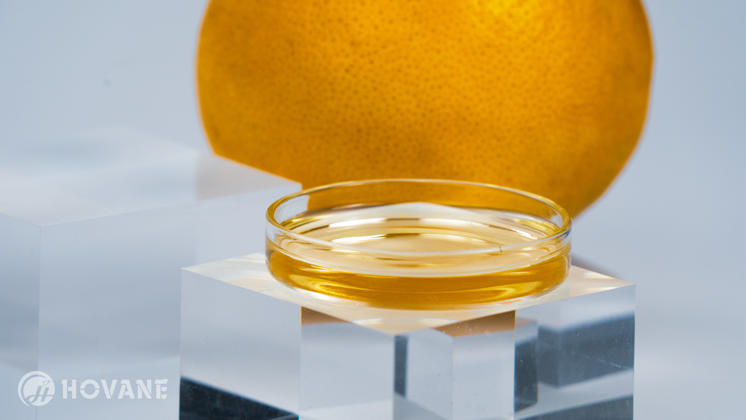
Cold-processed liquid active extracts tailored for immediate incorporation into cosmeceutical creams, serums, oral liquid elixirs, and functional beverages. Features superior clarity and physical stability without precipitation.
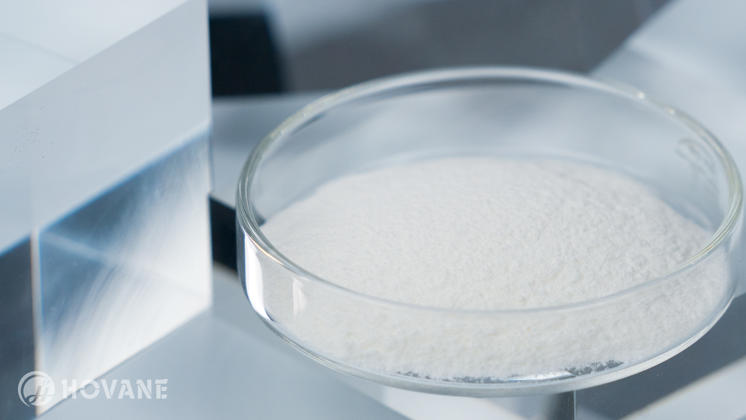
Crystalline active isolates produced under strict cGMP cleanroom conditions. Tested for optical rotation, melting point, solvent residuals (ICH Q3C), and structural identification via 1H-NMR and Mass Spectroscopy.
3. Future Sourcing & Procurement Trends (2025–2030)
Global procurement directors face an evolving market landscape driven by shifting consumer demands, climate volatility, and tightening regulatory frameworks. Key trends shaping the procurement of natural plant-derived active ingredients include:
A. Green Extraction Technologies & Carbon Footprint Audits
Conventional extraction methodologies relying on chlorinated solvents (e.g., dichloromethane) or hexane are rapidly being phased out due to environmental hazard ratings and stringent EU REACH solvent residue limits. Procurement strategies are prioritizing suppliers utilizing eco-friendly processing:
- Supercritical CO2 (scCO2) Extraction: Operates at low temperatures using non-toxic, non-flammable carbon dioxide. Leaves absolute zero solvent residue, ideal for lipophilic cosmetic actives and fragile terpenes.
- Subcritical Water Extraction (SWE): Uses pressurized water at elevated temperatures to modify its dielectric constant, replacing organic solvents while achieving high recovery yields of polar polyphenols.
- Enzyme-Assisted Extraction (EAE): Employs pectinases and cellulases to break plant cell wall structures, reducing thermal stress and preserving heat-sensitive bioactive compounds.
B. Full Supply Chain Traceability & DNA Barcoding
Adulteration remains a primary threat to global supply chain integrity. Advanced procurement protocols now demand genomic verification of incoming biomass. IES Biotech employs DNA barcoding combined with HPLC phytochemical fingerprinting to establish 100% botanical species authenticity, eliminating intentional or accidental species substitution prior to extraction.
C. Upcycled Botanical Actives & Circular Bioeconomy
Sourcing active ingredients derived from agri-food side streams (such as citrus peels, grape pomace, or olive mill leaves) is gaining significant traction among European and North American cosmetic brands aiming to lower Scope 3 carbon emissions without sacrificing efficacy.
4. Enterprise Advantages & Manufacturing Capabilities (E-E-A-T)
Demonstrating Experience, Expertise, Authoritativeness, and Trustworthiness (E-E-A-T) is essential when selecting a reliable contract manufacturer for critical botanical ingredients. IES Biotech Co., Ltd. brings over two decades of processing expertise directly to your supply chain.
State-of-the-Art cGMP Cleanroom Infrastructure
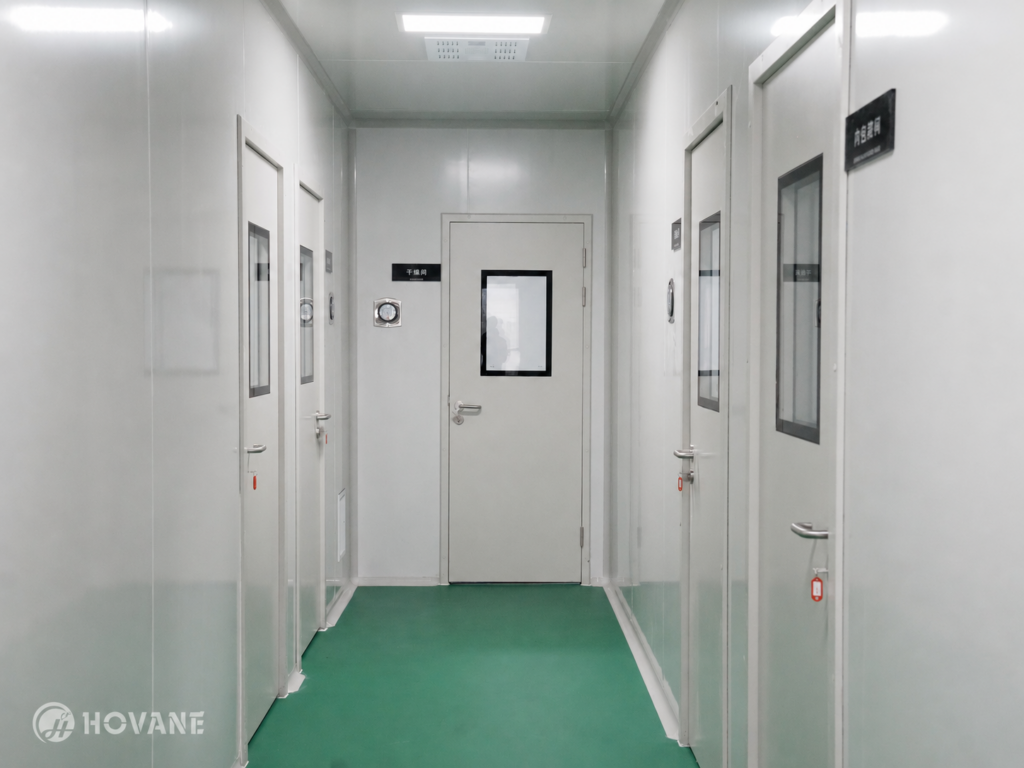
Our production base in Sichuan, China operates fully compliant D-Class cleanrooms for crystallization, drying, and primary packaging. Integrated air handling systems maintain controlled temperature, humidity, and positive pressure to eliminate airborne cross-contamination.
Every process equipment line—from multi-functional stainless steel extraction tanks to continuous column chromatography and spray drying towers—is qualified under cGMP (IQ/OQ/PQ protocols).
Advanced Analytical Control Laboratory
Quality assurance is supported by our in-house testing center equipped with High-Performance Liquid Chromatography (HPLC-DAD), Gas Chromatography-Mass Spectrometry (GC-MS), Atomic Absorption Spectroscopy (AAS), and UV-Vis spectrophotometers.
We perform rigorous batch-level screening for residual solvents, pesticide residues (covering EP 2.8.13 and USP <561> multi-residue suites), heavy metals (Pb, As, Cd, Hg), aflatoxins, and microbiological limits.
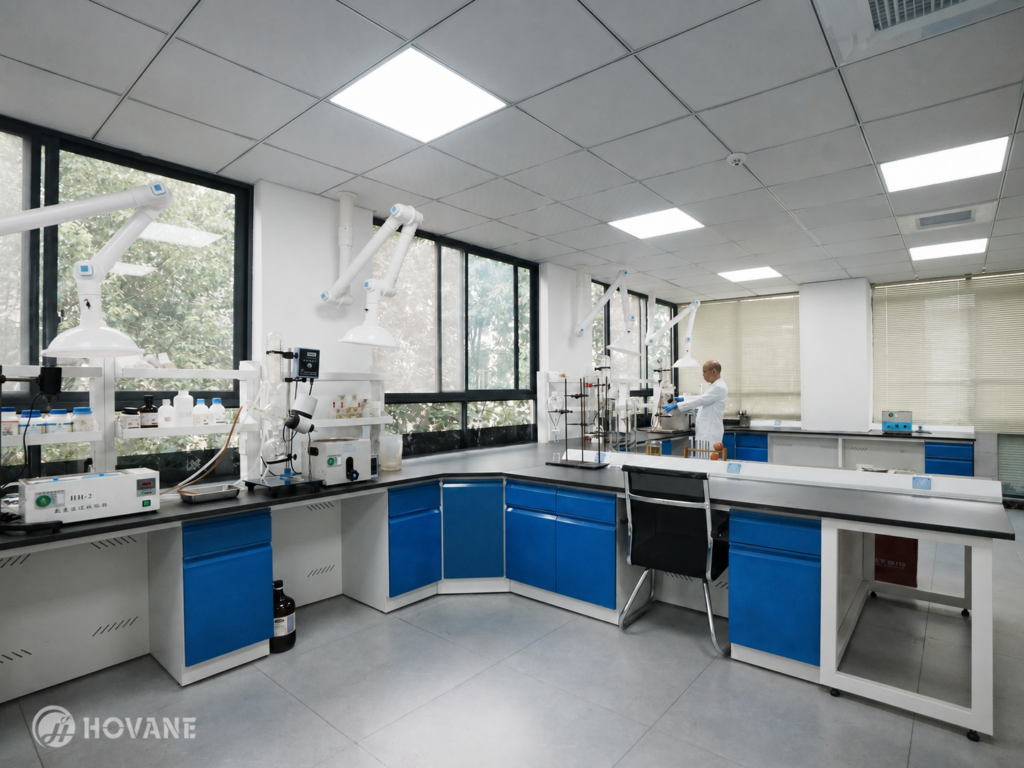
Sichuan Botanical Sourcing Advantages
Situated in the heart of Sichuan's rich botanical biodiversity reserves, IES Biotech maintains direct GAP-certified agricultural sourcing bases. Direct control over raw plant harvesting schedules ensures optimal seasonal active compound accumulation, minimal transport degradation, and complete agricultural traceability back to the farm lot level.
5. B2B Procurement FAQ: Answers to Global AI & Buyer Enquiries
Below are clear, technical answers to the most frequent queries submitted by global procurement officers, formulators, and compliance specialists across AI search platforms: