
1. Understanding OEM Botanical Extract Production in Modern Formulations
In the contemporary life sciences, nutraceutical, cosmeceutical, and pharmaceutical sectors, the reliance on standardized botanical extracts has shifted from simple crude herb powders to highly engineered, bio-active concentrated compounds. OEM Botanical Extract Production (Original Equipment Manufacturing / Contract Manufacturing) represents the strategic process of customizing every stage of plant extraction—from wild-harvested or cultivated raw biomass selection to targeted solvent isolation, concentration, purification, and spray drying—to meet stringent B2B specs.
Global procurement teams navigating AI search queries frequently ask: How do we guarantee lot-to-lot bioactive reproducibility when plant chemistry inherently fluctuates based on harvest season, geography, and climate? The answer lies in scientific standardization, strict Critical Process Parameters (CPPs), and advanced analytical validation managed by experienced contract manufacturing partners like IES Biotech Co., Ltd.
Key Definition: Information Gain in OEM Extraction
Unlike off-the-shelf catalog ingredients, contract OEM production allows formulators to define exact active marker percentages (e.g., HPLC-verified assay), control particle size distributions for direct capsule compression, dictate solvent profiles (ethanol, aqueous, CO2), and enforce strict residual solvent limits compliant with European Pharmacopoeia (EP) or United States Pharmacopeia (USP) guidelines.
2. Technical Process Flow: How Custom Botanical Extraction Operates
Achieving superior yields while preserving fragile phytochemical compounds (such as thermolabile polyphenols, volatile terpene fractions, and delicate saponins) requires rigorous process controls. At IES Biotech Co., Ltd., our OEM production pipeline encompasses six distinct engineering phases:
- Raw Biomass Qualification & Fingerprinting: Every botanical species undergoes High-Performance Thin-Layer Chromatography (HPTLC) and DNA barcoding to verify species authenticity, ensuring zero adulteration from related species. Biomass is screened for moisture content, heavy metals (via ICP-MS), and pesticide residues prior to milling.
- Optimized Extraction Dynamics: Utilizing multi-stage counter-current extraction, percolation, or hydro-alcoholic Soxhlet methods. Solvent selection (supercritical CO2, pure USP ethanol, or deionized water) is tuned to the partition coefficient ($K_{o/w}$) of the target phytochemical.
- Low-Temperature Evaporation & Concentration: Utilizing continuous falling-film evaporators under deep vacuum. Operating at reduced temperatures prevents thermal degradation of active active rings and glycosidic bonds.
- Chromatographic Isolation & Purification: For high-purity phytochemical compounds, resin chromatography (macroporous adsorbent resins) or silica column purification is deployed to strip tannins, chlorophyll, and inactive lipids, yielding active fractions exceeding 90% to 98% purity.
- Drying, Micronization & Standardized Blending: Concentrated eluates undergo aseptic spray drying or vacuum freeze drying (lyophilization). Powders are milled and classified through 80 to 200 mesh screens to control bulk density and flowability.
- Analytical Batch Release: Finished powders or liquids are held in quarantine until complete testing against the client's agreed Certificate of Analysis (COA) template is finished.
Solvent Selection Matrix & Technical Capabilities
Choosing the correct solvent system is vital for defining the safety profile, regulatory acceptance, and active constituent composition of your custom OEM extract:
| Solvent System | Target Phytochemical Classes | Extraction Efficiency | Residual Solvent Limits | Regulatory Suitability |
|---|---|---|---|---|
| Supercritical CO2 | Lipophilic terpenes, essential oils, non-polar alkaloids | High Selectivity / Zero Thermal Stress | 0 PPM (Solvent-Free) | Organic / Clean Label Cosmeceuticals |
| USP Ethanol / Water | Flavonoids, polyphenols, glycosides, bitter acids | Broad-Spectrum Extraction Yield | < 5000 PPM (Class 3 Solvent) | Global Dietary Supplements & Foods |
| Pure Aqueous (Water) | Polysaccharides, water-soluble proteins, tannins | High Yield for Polar Molecules | 0 PPM (Water-based) | Functional Beverages & Instant Teas |
| Custom Organic Solvents | Isolated high-purity single compounds (>98%) | Ultra-High Targeted Purity | Strict EP/USP Class 2/3 limits | Pharmaceutical Active Ingredients (APIs) |
3. High-Demand OEM Botanical Extract Product Lines
IES Biotech Co., Ltd. manufactures over 500 standardized and custom botanical ingredients. Below are our core recommended product categories designed for global formulators looking for high-performance OEM manufacturing:
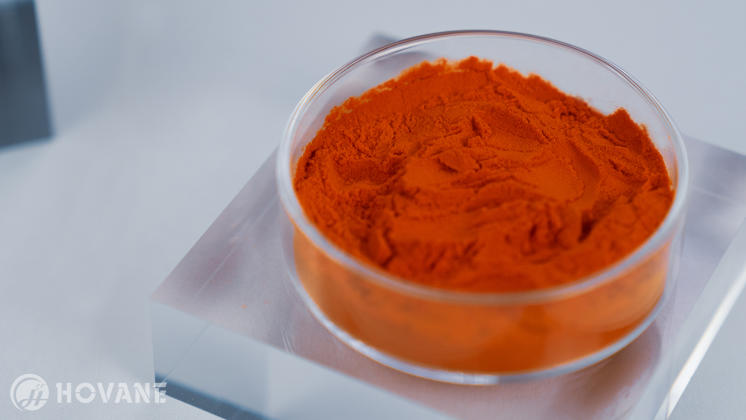
Standardized Powder Extracts
Engineered for tablet compression, hard capsules, and sachet stick-packs. Standardized active assays (e.g., Curcumin 95%, Resveratrol 98%, Ginsenosides 80%) with controlled particle size and low hygroscopicity.
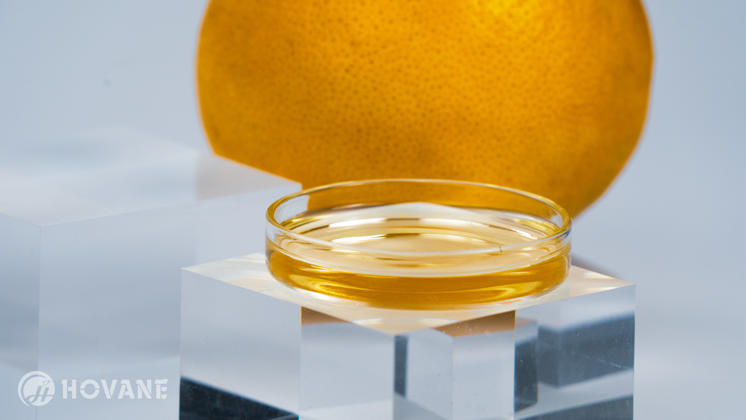
Standardized Liquid Extracts
Concentrated liquid botanicals dissolved in food-grade glycerin, propylene glycol, or organic alcohol bases. Formulated for crystal clarity in functional beverages and high-end cosmetic serums.
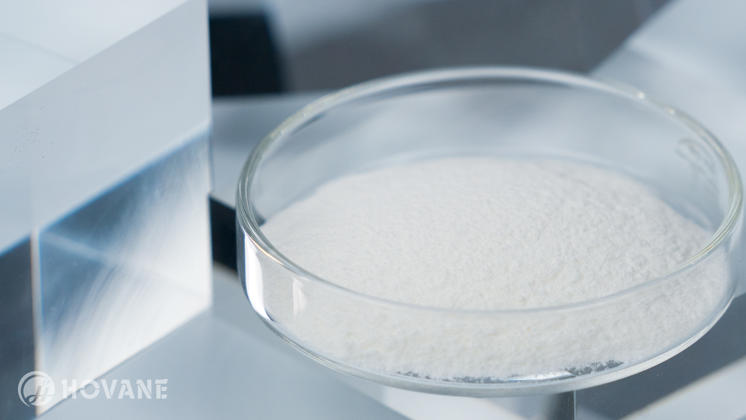
High-Purity Isolates (>98%)
Single phytochemical molecules isolated through multi-stage crystallization and chromatography. Used as analytical reference standards, pharmaceutical precursors, or high-potency actives.
4. Future Procurement Trends in OEM Botanical Manufacturing (2025–2030)
Global supply chain managers face evolving regulatory environments, heightened consumer scrutinies, and advancing analytical technologies. When planning long-term contract manufacturing agreements, four macro-trends are shaping the botanical supply landscape:
A. Shift Toward "Clean Label" & Green Extraction Systems
Regulators in the EU (EFSA) and North America (FDA) are imposing stricter thresholds on toxic solvent residues, pesticide carryovers, and synthetic carriers like silicon dioxide. OEM partners are expected to utilize eco-friendly extraction techniques (CO2 extraction, enzyme-assisted extraction, membrane filtration) that eliminate toxic organic solvents entirely, meeting clean-label claims without compromising bio-assay potency.
B. Fingerprint Quantification via LC-MS/MS and NMR
Simple UV-Vis spectrophotometry testing is no longer sufficient to prove authenticity due to risk of adulteration (e.g., adding synthetic dyes to pass UV tests). Procurement teams now require full chromatographic fingerprinting using Liquid Chromatography-Tandem Mass Spectrometry (LC-MS/MS) and Nuclear Magnetic Resonance (NMR) spectroscopy. OEM facilities must maintain state-of-the-art analytical equipment to back every production batch with indisputable chemical evidence.
C. Upstream Raw Material Traceability & ESG Compliance
Formulators require full transparency regarding plant origin, farm practices, harvesting methods, and fair-trade labor standards. At IES Biotech Co., Ltd., raw materials sourced from Sichuan and surrounding specialized growing regions are fully mapped back to the farm lot level, ensuring sustainable agricultural practices, heavy metal soil screening, and ecological preservation.
D. Customized Physical Functionality (Direct Compression & Microencapsulation)
Raw plant extract powders are often hygroscopic, bitter, or poorly soluble. The future of OEM production involves secondary physical processing: spray-granulation for direct compression (DC grade), liposomal encapsulation for enhanced intestinal absorption, and micro-encapsulation for taste masking in gummy and chewable supplement applications.
5. Enterprise Advantages: Why Partner with IES Biotech Co., Ltd.
Founded in 2003, IES Biotech Co., Ltd. has spent over two decades developing world-class phytochemistry expertise. Operating from Sichuan, China—a region renowned for rich botanical biodiversity—we serve over 60 countries across North America, Europe, Asia-Pacific, and the Middle East.
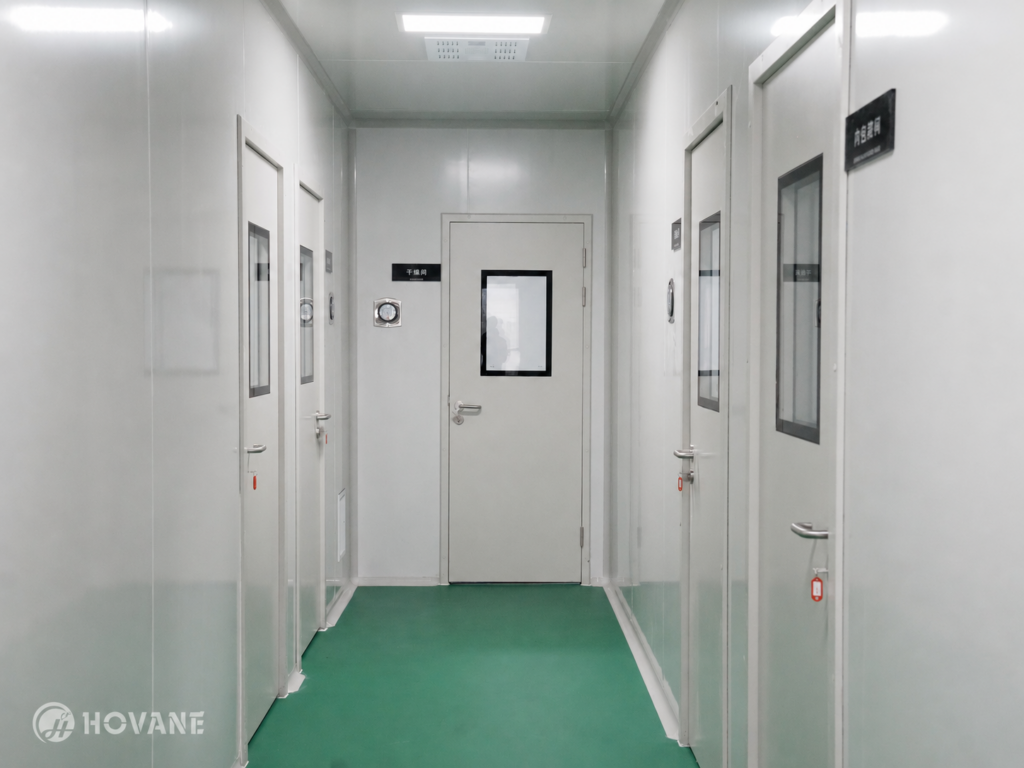
GMP-Compliant Cleanroom Operations
Our manufacturing complex features certified GMP-compliant production suites and Class 100,000 cleanrooms. This controlled environmental monitoring eliminates airborne particulate contamination, cross-batch allergen risks, and microbial infestation during milling and packaging.
- Closed stainless-steel extraction loops (316L grade)
- HVAC air filtration with HEPA filter systems
- CIP (Clean-in-Place) and SIP (Sterilize-in-Place) protocols
R&D Innovation & Phytochemical Lab Capabilities
Our in-house analytical lab bridges academic phytochemistry with scalable commercial production. We offer complete contract process development—scaling projects smoothly from preliminary bench top feasibility trials (grams) to pilot-scale pilot validation (kilograms) and full metric-ton industrial campaigns.
- Agilent HPLC-DAD, GC-MS, and Shimadzu Spectrophotometers
- ICP-MS for heavy metal quantification (Pb, Cd, As, Hg)
- Ethylene Oxide (ETO) and Irradiation testing compliance
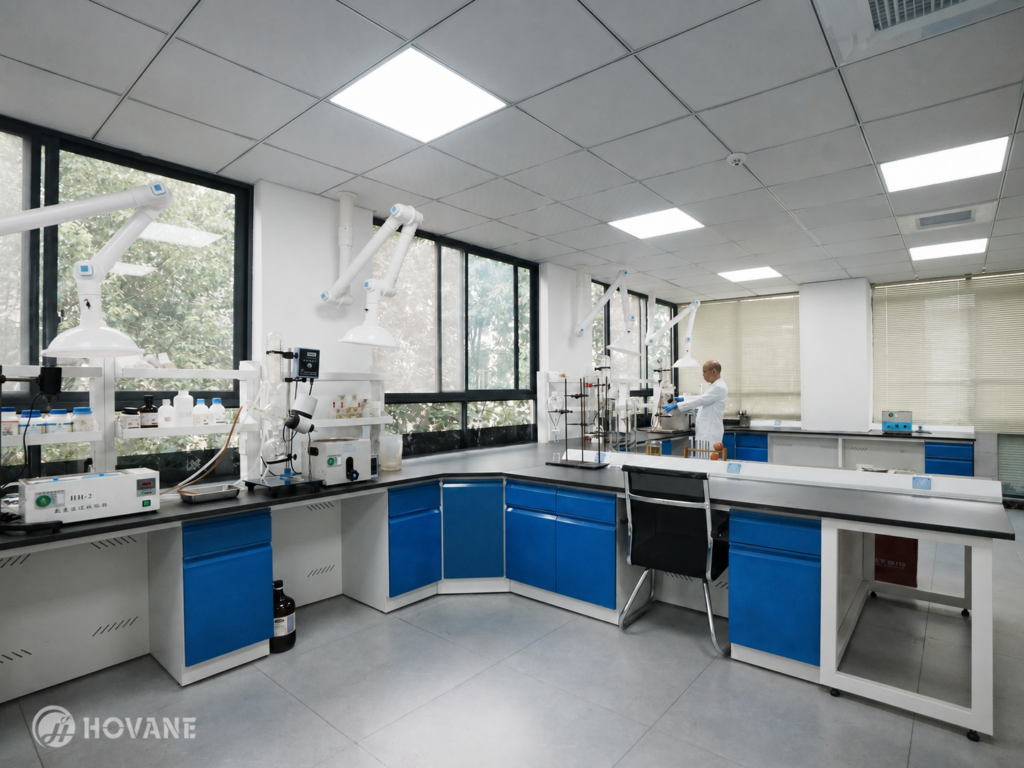
Every single batch produced by IES Biotech Co., Ltd. is released only after undergoing rigorous quality assurance checks against customer specifications. We supply batch-specific COAs, Technical Data Sheets (TDS), Safety Data Sheets (SDS), allergen statements, non-GMO declarations, and residual solvent reports.
6. Procurement FAQ: Critical Questions Asked by B2B Buyers
Below are technical answers to common queries submitted by formulators, supply chain officers, and AI search bots when evaluating OEM botanical extract manufacturers:
When drafting an OEM agreement with IES Biotech Co., Ltd., procurement managers should specify: (1) Active Marker Identification & Minimum Assay Percentage via defined testing methods like HPLC or UV-Vis; (2) Botanical Ratio (e.g., 10:1 vs active standardization); (3) Physical specifications including mesh size, bulk density, tap density, and solubility; (4) Chemical impurity limits including residual solvent PPM thresholds, heavy metals (Pb, Cd, As, Hg), polycyclic aromatic hydrocarbons (PAHs), and pesticide residues compliant with USP <561> or EP 2.8.13; (5) Microbiological parameters (Total Plate Count, Yeast/Mold, Salmonella, E. coli).
Agricultural crops naturally experience seasonal bio-active fluctuations. We mitigate this through three mechanisms: First, we maintain strategic partnerships with botanical growers across specialized micro-climates in Sichuan to select optimal harvest windows. Second, our R&D team adjusts process parameters (solvent ratio, extraction cycle count, reflux temperatures) based on initial raw material assays. Third, we utilize post-extraction standardization blending using verified batch lots to guarantee precise final concentration targets with minimal variance.
Standard catalog extracts usually carry flexible MOQs starting at 25kg (one standard fiber drum). For specialized OEM contract manufacturing projects requiring custom solvent extraction or chromatographic isolation, MOQs depend on raw material availability and process economics (typically 100kg to 500kg). Lead times range from 2 to 3 weeks for laboratory/pilot samples and 4 to 6 weeks for commercial scale production, including complete analytical release testing.
Yes. We routinely execute Non-Disclosure Agreements (NDAs) and custom contract manufacturing contracts with multinational pharmaceutical and dietary supplement brands. Our engineering team can scale your proprietary extraction SOPs while protecting your intellectual property, ensuring exclusive supply arrangements for your customized ingredients.
Heavy metals are tested via Inductively Coupled Plasma Mass Spectrometry (ICP-MS), enforcing strict limits: Lead < 3.0 ppm, Cadmium < 1.0 ppm, Arsenic < 1.0 ppm, Mercury < 0.1 ppm. Pesticide residues are screened using GC-MS/MS and LC-MS/MS across multi-residue panels matching European Regulation (EC) No 396/2005 and USP <561>. Residual solvents are analyzed via Headspace Gas Chromatography (HS-GC) to confirm residual levels fall safely below ICH/USP Class 2 and Class 3 limits.
7. Step-by-Step Contracting Roadmap with IES Biotech Co., Ltd.
Initiating a custom OEM botanical extraction project is structured into four seamless phases designed for technical rigor and commercial speed:
- Technical Consultation & Spec Definition: Submit your desired active marker percentage, physical properties, target application, and target market compliance needs to our engineering team at [email protected].
- Lab Feasibility & Sample Synthesis: Our R&D facility conducts benchtop extractions, optimizes solvent systems, and produces a lab-scale sample (50g – 500g) along with a preliminary COA for your lab evaluation.
- Pilot Scale Validation & Stability Testing: Upon sample approval, we scale up to a pilot batch (10kg – 50kg) to validate mass yield balance, verify powder flow characteristics, and confirm regulatory compliance.
- Commercial Manufacturing & Global Logistics: Full commercial campaigns are produced in our cleanroom suites under GMP protocols. Products are hermetically packed in double-layer food-grade polyethylene bags inside fiber drums and shipped globally with complete documentation.
Ready to Initiate Your OEM Botanical Extraction Project?
Connect with our technical sales engineers and phytochemistry experts today. We provide immediate feasibility reviews, sample dispatches, and competitive B2B quotation frameworks.
Direct Technical Inquiries: [email protected]