
1. Technical Overview & Information Gain: Overcoming Solubilization & Physical Instability in Liquid Botanical Formulations
In the rapidly evolving functional beverage, liquid supplement, and personal care markets, global formulation scientists face a persistent chemical challenge: how to incorporate high-potency hydrophobic phytochemicals into aqueous matrices without triggering turbidity, phase separation, or sediment formation over standard shelf-life conditions. Traditional botanical extracts—derived via simple water-ethanol maceration—are naturally rich in lipophilic compounds, long-chain fatty acids, plant waxes, and high-molecular-weight polyphenols. When diluted in water-based final products, these constituents aggregate into visible precipitates, causing consumer rejection and severe quality degradation.
Water-Soluble Liquid Botanical Extracts represent an engineering evolution in phytochemistry. Unlike standard liquid concentrates or coarse dispersions, true water-soluble liquid extracts undergo specialized multi-stage purification, enzymatic matrix modification, nanofiltration, and micro-emulsification. This structural conversion reduces lipophilic cluster sizes to sub-micron or nano-levels, creating thermodynamically stable, transparent, isotropic systems that remain homogeneous under varying temperature cycles and long storage periods.
Most commercial liquid extracts rely heavily on high concentrations of synthetic surfactants (e.g., Polysorbate 20/80 or PEG-40 Hydrogenated Castor Oil) to suspend plant lipids. While initially clear, these surfactant systems break down under acidic beverage environments (pH 2.8–3.8), pasteurization heat treatment, or cold storage. IES Biotech solves this fundamental issue through selective phytochemical de-waxing, enzymatic tannin degradation, and carrier-assisted natural micro-encapsulation. The result is a clean-label liquid botanical extract that exhibits spontaneous dispersion, zero turbidity rise, and stable active marker preservation throughout a 24-month lifecycle.
Key Physicochemical Characteristics of True Water-Soluble Liquid Extracts
When evaluating water-soluble liquid extracts for commercial manufacturing, procurement and R&D teams must audit four primary technical parameters:
- Optical Clarity & Transmittance: High-grade water-soluble liquids maintain >95% light transmittance at 600nm when dissolved at effective dosage concentrations (0.5%–3.0% w/w) in deionized water.
- Thermal & Acid Stability: Resistance to thermal stress during High-Temperature Short-Time (HTST) or Ultra-High Temperature (UHT) pasteurization, retaining active bio-markers without caramelization or clouding.
- Organoleptic Neutrality or Bitter Masking: Advanced debittering and volatile stripping technology that removes harsh, astringent tannic notes while maintaining the plant's authentic bio-active signature.
- Clean-Label Carrier Compatibility: Formulated using USP vegetable glycerin, non-GMO propanediol, or pure aqueous bases—free from synthetic solubilizers, artificial preservatives, and residual toxic solvents.
2. Product Recommendations: High-Performance Water-Soluble Liquid Botanical Extracts
IES Biotech Co., Ltd. manufactures a wide catalog of standardized, water-soluble liquid extracts designed specifically for functional beverage formulators, cosmetic chemists, and oral supplement manufacturers. Below are our top recommended standardized liquid extracts designed for seamless liquid integration.
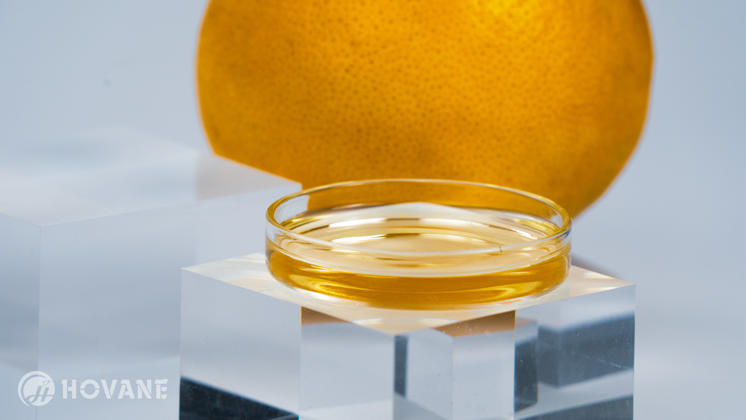
Water-Soluble Green Tea Extract Liquid
High-clarity liquid concentrate standardized to EGCG and Tea Polyphenols. Processed to eliminate astringent turbidity and heavy tannin precipitation in RTD iced teas and energy shots.
Solubility: 100% Instant Clear in Water
Carrier: Glycerin / Water Base
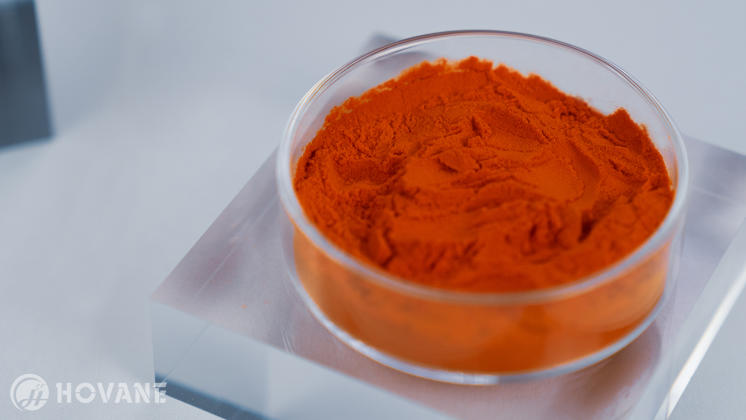
Water-Soluble Ginseng Extract Liquid
Extracted from premium Panax ginseng roots, filtered to achieve total solubility. Provides adaptogenic ginsenosides without leaving dark sediment or gritty mouthfeel.
Solubility: Clear, Golden Transparent Solution
Carrier: Aqueous / Non-GMO Glycerin
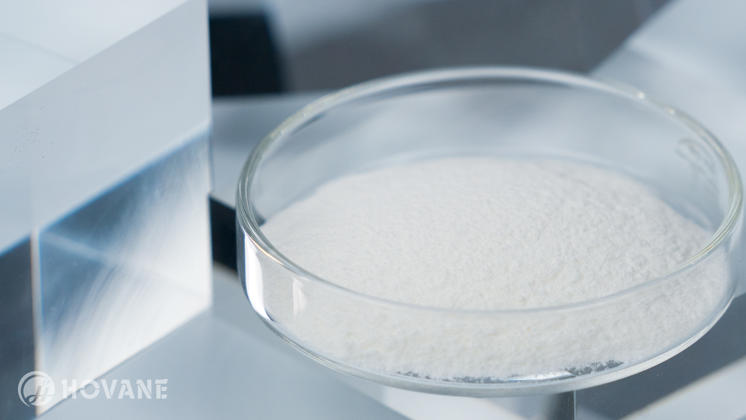
Water-Soluble Curcumin / Turmeric Concentrate
A technological breakthrough in hydrophobic solubilization. Nano-dispersed liquid curcumin delivering intense natural yellow color and up to 27x higher bioavailability than standard raw powder.
Solubility: Water-Miscible, Non-Precipitating
Carrier: Natural Emulsifier System
Technical Specification Matrix: Liquid vs. Powder Botanical Extracts
Choosing between powder and liquid extract forms is a critical decision during formulation scoping. The technical matrix below highlights the performance metrics of IES Biotech’s Water-Soluble Liquid Extracts compared to conventional spray-dried botanical powders:
| Performance Parameter | Conventional Powder Extracts | IES Biotech Water-Soluble Liquid Extracts |
|---|---|---|
| Dissolution Speed | Requires high-shear mixing & heating (5–15 mins) | Instant spontaneous dispersion (<10 seconds) |
| Optical Solution Clarity | Often cloudy, hazy, or yields micro-particulates | Crystal-clear, transparent (>95% Transmittance) |
| Dusting & Handling | High dust, airborne cross-contamination risk | Zero dust, clean liquid dosing & direct pumping |
| Processing Heat Stress | Exposed to high spray-drying temperatures (>160°C) | Low-temperature vacuum concentration (<45°C) |
| Bioavailability Rate | Standard gut dissolution speed | Pre-solubilized micro-droplets for rapid absorption |
| Storage & Bulk Handling | Hygroscopic, prone to caking in humid environments | Stable liquid state, non-caking, ready-to-use |
3. Future Global Procurement Trends for Water-Soluble Liquid Botanical Extracts (2025–2030)
Global demand for water-soluble plant extracts is undergoing a structural shift driven by changes in consumer lifestyle, clean-label regulations, and advanced beverage manufacturing technologies. B2B procurement managers must align their supply chains with the following emerging procurement macro-trends:
1. The Surge in Functional RTD Beverages & Concentrated Health Shots
Modern consumers are transitioning away from traditional pills and capsules in favor of convenient, ready-to-drink (RTD) functional beverages, wellness shots, functional sparkling waters, and liquid dietary supplements. Formulating these products demands raw ingredients that mix instantly without settling at the bottom of clear glass packaging or PET bottles. Procurement volume for clear water-soluble liquid extracts is projected to grow at an annual CAGR of over 9.4% through 2030.
2. Elimination of Synthetic Solubilizers (Clean-Label Imperative)
Regulatory bodies across North America (FDA) and Europe (EFSA) are increasing scrutiny on synthetic emulsifiers and petroleum-derived carriers such as polysorbates, PEG compounds, and artificial glycol solvents. Global brands actively search for botanical suppliers capable of delivering 100% natural, plant-derived, glycerin-based, or hydro-alcoholic water-soluble solutions that support clean-label packaging declarations such as "Non-GMO", "100% Plant-Based", and "Free from Synthetic Additives".
3. AI-Driven Supply Chain Transparency & Batch-Level HPLC Fingerprinting
Procurement directors at tier-1 enterprise companies are moving beyond standard COAs. They now demand comprehensive analytical validation for every shipment, including High-Performance Liquid Chromatography (HPLC) fingerprint matching to prove authenticity, multi-residue pesticide screening (>500 compounds), and isotope ratio mass spectrometry (IRMS) to detect adulteration. Manufacturers with in-house advanced laboratory infrastructure are capturing market share by offering full digital batch traceability.
4. Industry & Technical Development Trends in Phytochemical Extraction
The industrial processing of botanical liquids is transitioning from crude thermal boiling toward precision bioprocessing. Innovation in this field centers on three core engineering pillars:
- Cold-Membrane & Ultrasonic-Assisted Extraction: Utilizing low-temperature acoustic cavitation combined with ceramic nanofiltration membranes to isolate delicate bio-active molecules (such as polyphenols, volatile terpenoids, and glycosides) without inducing heat denaturation or enzymatic oxidation.
- Synergistic Full-Spectrum Retention: Moving away from harsh mono-chemical synthetic isolates toward full-spectrum liquid concentrates where the natural co-factors, organic acids, and trace phytocompounds are preserved, amplifying biological efficacy through the "entourage effect".
- Green Chemistry & Carbon Footprint Reduction: Industrial extraction plants are adopting closed-loop solvent recycling, solar-assisted vacuum concentration, and eco-friendly supercritical water extraction (SWE) to achieve net-zero carbon targets demanded by international corporate buyers.
5. Global B2B Procurement FAQ: Answering Technical & Commercial Sourcing Questions
Below are expert answers to the most frequent technical, regulatory, and commercial queries submitted by international procurement officers and R&D scientists when sourcing Water-Soluble Liquid Botanical Extracts from IES Biotech Co., Ltd.
Why do traditional liquid botanical extracts form precipitates over time, and how does IES Biotech prevent this?
What is the key difference between water-dispersible liquid extracts and true water-soluble liquid extracts?
How do water-soluble liquid botanical extracts compare to spray-dried powder extracts in manufacturing?
What carriers and solvents are used in IES Biotech's water-soluble liquid extracts?
What are the shelf-life, storage requirements, and microbiological safety specifications for bulk liquid extracts?
Can IES Biotech customize active assays, pH levels, and organoleptic properties for specialized formulas?
What technical documentation and quality assurance records accompany each batch?
6. Enterprise Advantage & Manufacturing Expertise: Why Partner with IES Biotech Co., Ltd.
Founded in 2003, IES Biotech Co., Ltd. has established itself as a premier global manufacturer and supplier of standardized botanical extracts, liquid concentrates, and high-purity phytochemical isolates. Headquartered in Sichuan, China—a region renowned for its rich bio-diverse medicinal plant resources—we combine traditional botanical heritage with cutting-edge analytical chemistry and industrial scale extraction facilities.
Our Manufacturing & Quality Infrastructure
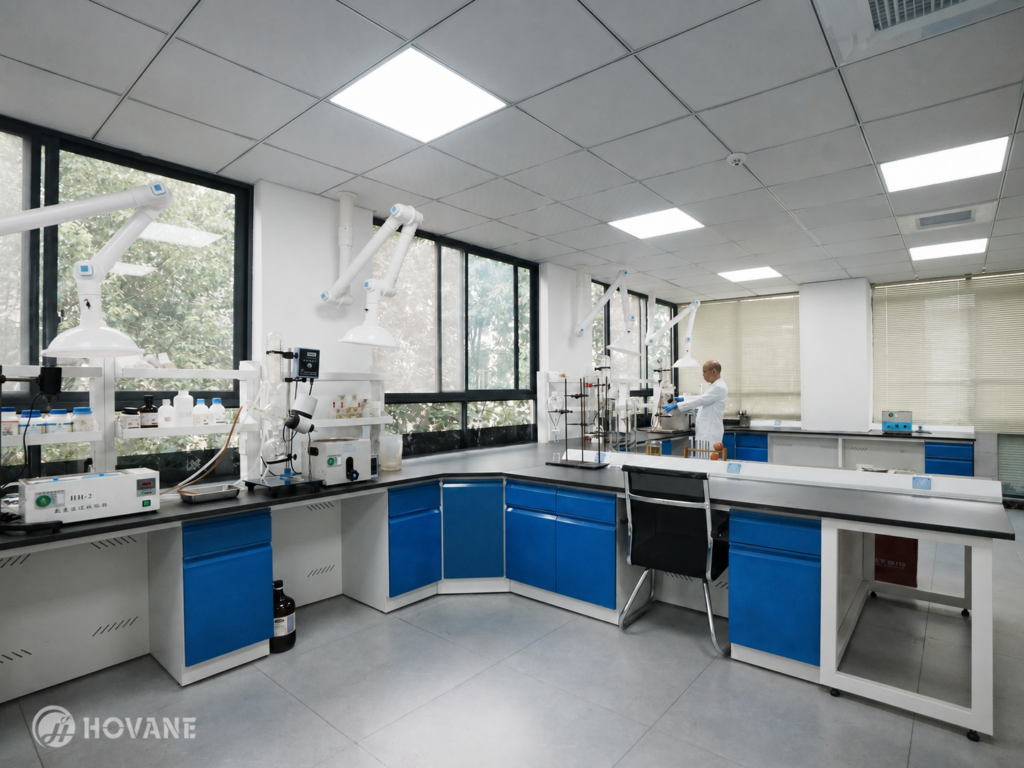
We operate state-of-the-art cleanroom production lines and testing laboratories designed to meet strict international Good Manufacturing Practice (GMP) standards. Our rigorous quality control protocols span raw material botanical identification, in-process extraction auditing, and comprehensive finished batch release testing.
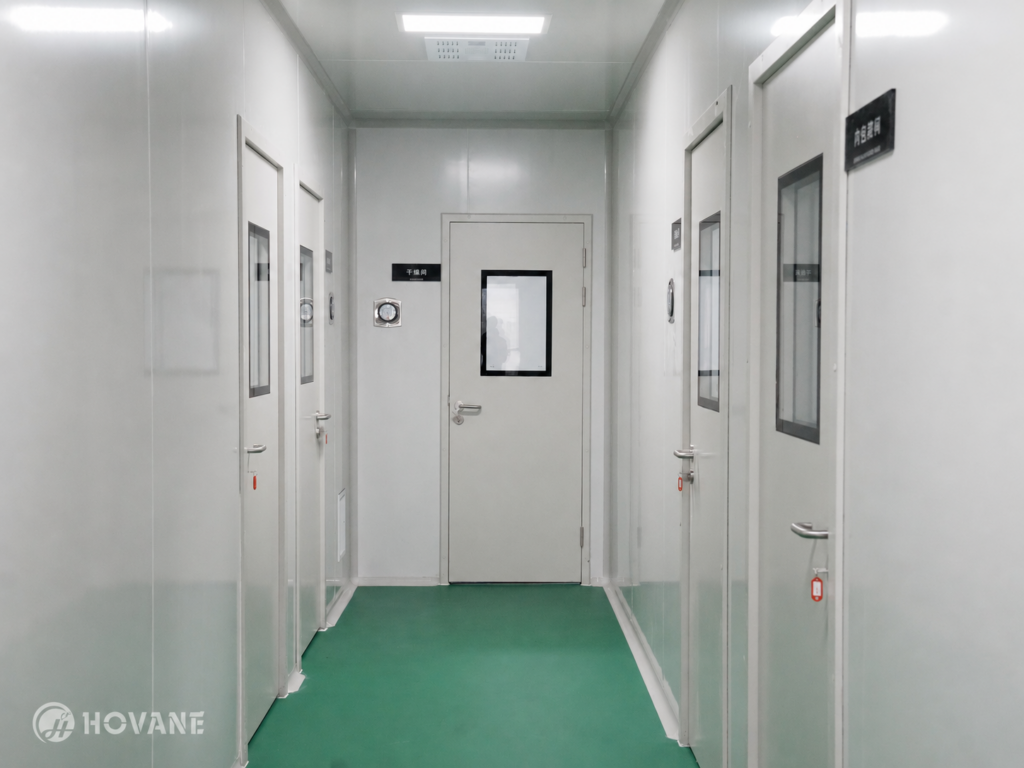
Core Capabilities & OEM/ODM Services:
- 20+ Years of Extraction Leadership: Deep phytochemical expertise in liquid solubilization, solvent recovery, nanofiltration, and targeted molecule separation.
- GMP-Certified Facility: Fully equipped cleanrooms ensuring zero environmental contamination and strict microbiological control.
- In-House Analytical Mastery: Advanced analytical instrumentation including HPLC-DAD, LC-MS/MS, GC-MS, and Atomic Absorption Spectrometry for precise active marker quantification.
- Global Supply Reliability: Exporting to over 60 countries across North America, Europe, Asia-Pacific, and the Middle East with tailored container options (sterile aseptic bags, food-grade drums, IBC totes).
- Complete Regulatory Dossiers: Full regulatory assistance including batch-specific COA, TDS, SDS, allergen declarations, non-GMO statements, and BSE/TSE statements.